



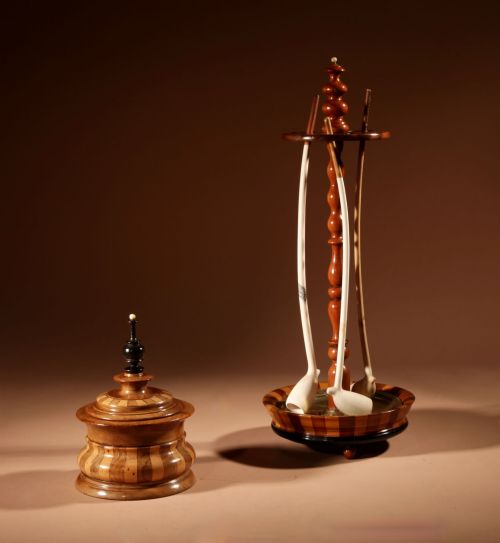


Antique Treen Stand
These antique treen stand pieces are functional turned wooden domestic items shaped by historic hands, offering tactile warmth and utility to any collector.
Antique Treen Stand
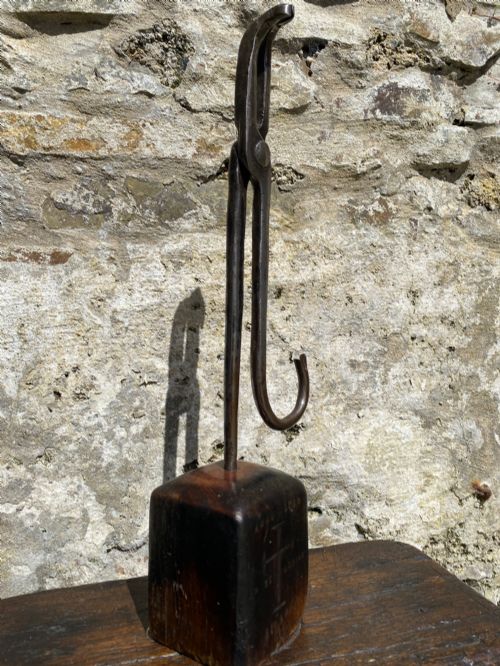
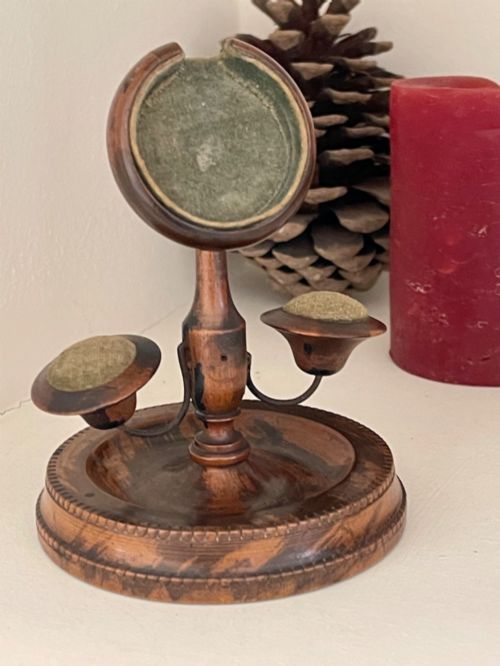
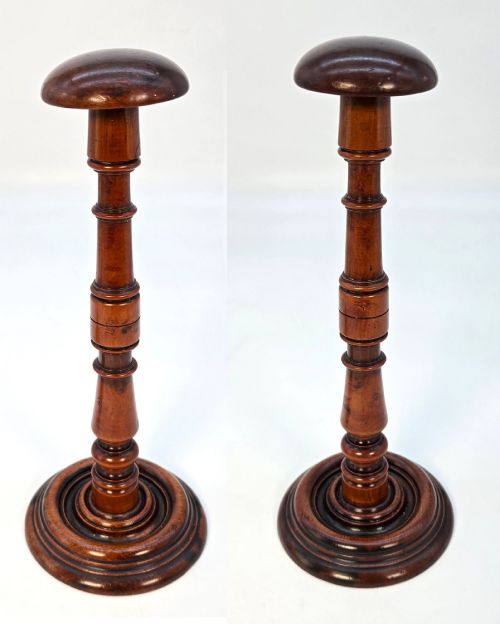
An antique treen stand encompasses a varied group of turned and carved wooden domestic articles, ranging from candlestands and wig stands to bowl stands and bottle holders. These objects served practical household functions in Georgian and Victorian rooms, holding candles, wigs, bottles, and tableware.
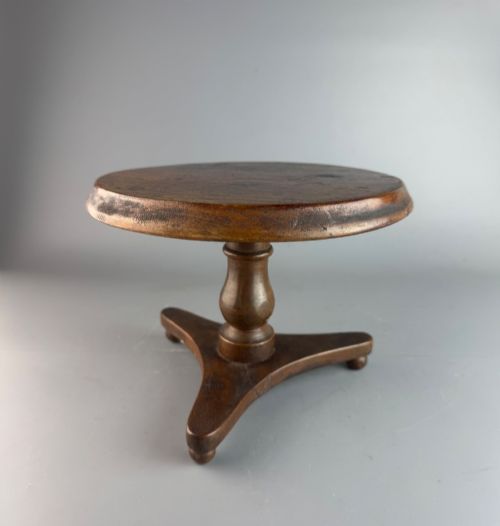
Makers produced these utilitarian objects in diverse forms such as tip-top tripod tables, revolving egg cup holders, and multi-bottle carriers. Each surviving piece demonstrates the ingenuity applied to everyday wooden utensils before mass production.
How they were made
Woodturners shaped these objects primarily on a lathe, utilising dense native hardwoods such as mahogany, yew wood, fruitwood, and lignum vitae. These close-grained timbers allowed artisans to turn thin profiles and delicate stems without splitting.
Secondary construction methods included coopered staves for tobacco boxes and pipe stands, alongside turned peg joinery for tripod bases. Some pieces incorporated applied gold leaf and gesso decoration to enhance their visual presence.
Antique Treen Stand Retail Price Guide 2026
Typical asking prices for treen stand among the pieces listed under this phrase on Sellingantiques today, from the lower quarter to the upper quarter. They describe what is for sale here now, not the wider market.
Listings feature items spanning the 18th century, the Georgian era, and the Victorian period, constructed from mahogany, yew wood, fruitwood, and lignum vitae.
What varies in quality
The quality of an antique treen stand rests upon the crispness of the original turning and the natural figure of the timber. Finely executed mouldings and balanced proportions elevate certain utilitarian objects into accomplished examples of woodcraft.
Patina and surface preservation largely determine the desirability of these wooden items. Untouched surfaces displaying deep wax accumulation and honest handling marks separate superior examples from those with over-cleaned or stripped timber.
The Antique Treen Stand Glossary
- Treen
- Small domestic wooden objects made by turning, carving, or joining. The term derives from the old English word for tree.
- Lignum vitae
- A dense and heavy tropical hardwood often used for turned items requiring strength and durability. Its natural oils produce a characteristic dark surface.
- Coopering
- The method of assembling curved wooden staves held together by wooden or metal bands to form cylindrical containers. This technique appears in bottle holders and tobacco boxes.
- Fruitwood
- A collective term for timbers taken from fruit-bearing trees such as apple, pear, or cherry. These woods offer a smooth grain suitable for detailed turning.
- Vernacular
- Objects made by regional artisans following local traditions rather than formal architectural or furniture designs. Welsh vernacular pieces often utilise local fruitwoods and straightforward construction.
Antique Treen Stand: Frequently Asked Questions
What is an antique treen stand?
An antique treen stand is a small functional wooden object shaped on a lathe or carved by hand for domestic use. These items include candlestands, wig stands, and bottle holders made during the Georgian and Victorian periods.
They reflect the traditional woodworking skills employed before the widespread adoption of industrial manufacturing. Each piece was designed to serve a specific daily purpose in the historic home.
How do I care for wooden treen?
Caring for antique treen involves maintaining a stable indoor environment away from direct heat sources and strong sunlight. Sudden temperature fluctuations cause timber to dry out and split.
Apply a traditional beeswax polish occasionally to nourish the wood and preserve the historic surface. Avoid using modern liquid cleaners or water on antique wooden surfaces.
How can I tell Georgian treen from Victorian pieces?
Georgian treen typically exhibits simpler, robust forms derived from practical domestic needs, often utilising native timbers like yew and fruitwood. The turning tends to show straightforward profiles focused entirely on utility. C Victorian pieces frequently display more elaborate turning, occasional gilding, and novel forms such as revolving stands or complex tabletop arrangements. The choice of materials also broadened during the nineteenth century to include denser exotic hardwoods.
Were these stands used in every room?
These wooden stands served specific functions across various rooms of the historic household, from dining tables to dressing areas. Wig stands supported gentlemanly hairpieces in bedrooms, while candlestands provided movable light in parlours.
Other forms, such as bottle coasters and egg cup stands, facilitated dining and hospitality. Their portability allowed them to be moved wherever domestic convenience required.