




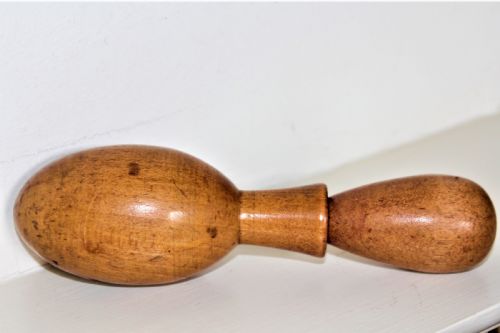
Antique Treen Object
An antique treen object is a small turned or carved wooden utilitarian piece that brings tactile domestic history directly to your mantel.
Antique Treen Object
When you search for an antique treen object, you encounter small wooden domestic items shaped by hand or lathe for everyday tasks. The selection spans utilitarian kitchenalia, sewing tools, medical items, and folk art pieces.
The most common examples on this page date from the nineteenth century, alongside eighteenth-century Georgian specimens and early twentieth-century pieces. Forms range from practical lemon squeezers and apple corers to playful nutcrackers and ball-and-cup games.
Makers shaped these functional wares from various timbers to serve specific households, rural trades, or pastimes. Each survivor carries the patina of daily handling and domestic service over generations.
Materials and Craftsmanship
Craftsmen utilised dense hardwoods like boxwood and fruitwood, along with oak and birch, chosen for their ability to hold a sharp lathe turning or fine carved detail. Boxwood provided the tight grain required for precision items like teachers' clickers and small tools.
Makers shaped these pieces using manual foot-powered lathes for cylindrical forms or carving knives and gouges for figurative works such as nutcrackers and knitting sheaths. Certain functional items incorporated secondary elements like silver foil linings or cord attachments for practical utility.
Antique Treen Object Retail Price Guide 2026
Typical asking prices for treen object among the pieces listed under this phrase on Sellingantiques today, from the lower quarter to the upper quarter. They describe what is for sale here now, not the wider market.
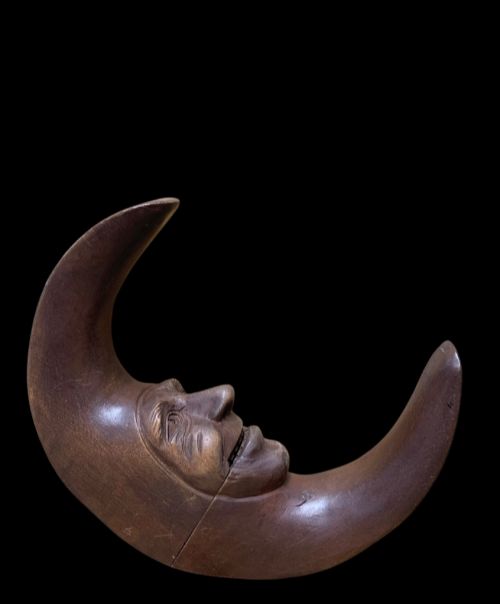
A smiling man-in-the-moon carved from wood stands ready to crack nuts for an audience that has long since vanished.
Assessing Quality and Character
Quality in these wooden pieces rests on the crispness of the original turning, the integrity of the timber, and the depth of the handled surface patina. Superior examples retain their original mechanical action, whether in a lemon squeezer, a ball-and-cup game, or a springless nutcracker.
The distinction between standard utility ware and finer folk art lies in the ambition of the carver and the individuality of the design. Subtle details, such as figurative carving on a knitting sheath or a distinct moon face on a nutcracker, elevate a mundane tool into a sculptural artefact.
The Antique Treen Object Glossary
- Treen
- Small handmade wooden domestic objects produced before the era of mass plastics. The word derives from the Middle English term for tree.
- Knitting sheath
- A carved wooden holder tucked into a belt or apron to support a single knitting needle during upright work. These often display vernacular carving.
- Bilboquet
- A traditional cup-and-ball game requiring the player to catch a tethered ball in a wooden cup or on a spike. It represents historical dexterity toys.
- Butter tub
- A coopered or turned vessel used for storing and shaping dairy produce in nineteenth-century domestic kitchens. Oak and other stave woods were standard for moisture resistance.
- Nutcracker
- A mechanical or lever-operated tool designed to break open nutshells, frequently carved into humorous figurative shapes. Nineteenth-century examples often utilised dense boxwood or fruitwood.
Antique Treen Object: Frequently Asked Questions
What is an antique treen object?
An antique treen object is a small wooden item made for domestic, professional, or recreational use before modern manufacturing. These functional pieces include kitchen tools, sewing implements, and games.
They were carved or turned from timbers like boxwood, fruitwood, and oak. Each piece reflects the everyday material culture of past centuries.
How were these wooden items used?
People used treen items for daily household tasks, food preparation, textile production, and simple parlour entertainment. Utilitarian pieces assisted with cooking, sewing, and measuring.
Others, such as ball-and-cup games or love spoons, served social, courtship, or leisure functions. Their design prioritized practical utility combined with pleasing tactile form.
How do I care for antique treen?
Keep antique treen away from direct sunlight, central heating sources, and rapid humidity fluctuations to prevent the timber from splitting. Excessive moisture will damage the historic surface.
Apply occasional neutral wax polish if the wood appears dry, but avoid heavy modern varnishes. Allow the natural handled patina to remain undisturbed.
How do I date an antique treen piece?
Dating treen relies on identifying the tool type, the turning marks left by manual lathes, and the wear patterns on the wood. Eighteenth-century pieces often display hand-carving and earlier timber selections.
Nineteenth-century examples frequently show precise lathe work combined with nineteenth-century domestic forms. Compare the construction methods and material choices with documented pieces from the same era.