



Antique Treen Dishes
Antique treen dishes are vernacular turned wooden pieces offering tactile warmth and practical domestic history for any modern interior.
Antique Treen Dishes
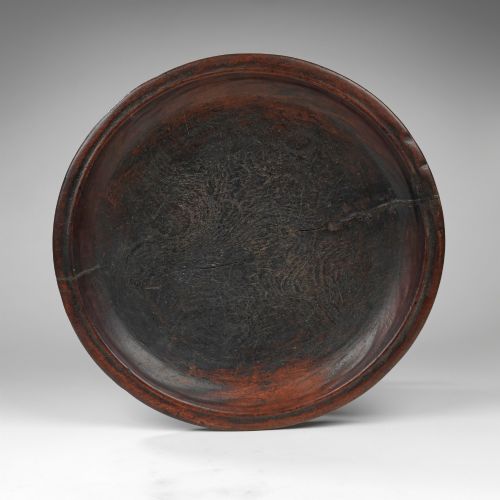
Antique treen dishes encompass turned wooden domestic wares made across the eighteenth and nineteenth centuries, including utilitarian bowls, serving platters, and dairy vessels. Buyers seeking these items appreciate the honest craftsmanship and rich patination developed through generations of household use.
The pieces available here lean heavily towards nineteenth century examples alongside Georgian items, showing distinct regional styles such as Welsh vernacular and English country work. Forms range from deep turned fruitwood bowls to substantial ash wood platters and small domestic implements.
Makers shaped these wooden objects primarily for functional service in dairies, kitchens, and parlours rather than display. Surviving examples demonstrate how everyday utility merged with simple decorative turning to create enduring household artefacts.
How they were made
Craftsmen utilised native hardwoods such as fruitwood, laburnum, walnut, ash, mahogany, and sycamore, turning green timber on lathes to form vessels that would dry and warp with subtle character. Woodworkers selected specific timbers for their density and grain pattern, ensuring the resulting bowls and platters could withstand daily kitchen tasks.
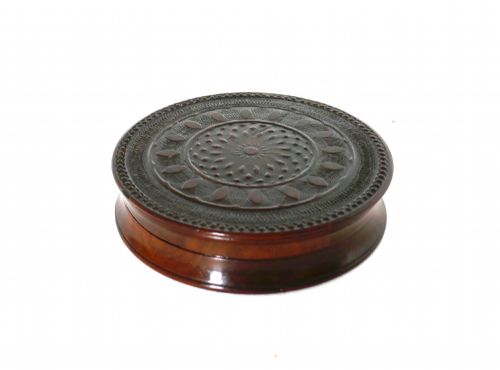
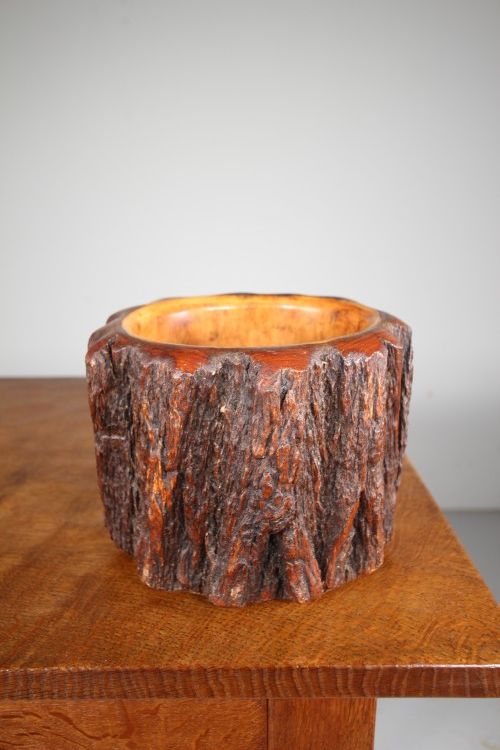
Surface decoration remained minimal, relying instead on the natural figuring of the wood, engine-turned detailing on smaller items like snuff boxes, or simple bark edges. Cabinetmakers and rural turners finished these functional objects with simple oils or the gradual accumulation of grease and scrubbing.
Antique Treen Dishes Retail Price Guide 2026
Typical asking prices for treen dishes among the pieces listed under this phrase on Sellingantiques today, from the lower quarter to the upper quarter. They describe what is for sale here now, not the wider market.
Object forms span from utilitarian dairy bowls and serving platters to engine-turned snuff boxes and cat plate stands.
What varies in quality
Quality in these wooden wares rests upon the crispness of the original turning, the integrity of the timber selection, and the depth of the surface patination accumulated over centuries. Superior examples retain their balanced proportions and show minimal structural distortion from timber shrinkage.
The distinction between ordinary utility items and finer pieces lies in the choice of decorative timbers like laburnum or figured walnut, and the subtlety of execution in turned profiles. Pieces exhibiting regional vernacular traits, particularly Welsh or Scottish origins, often command greater interest among collectors.
The Antique Treen Dishes Glossary
- Treen
- Small handmade wooden objects for domestic use. This broad term covers everything from bowls and platters to snuff boxes and plate stands.
- Vernacular
- Objects designed by local craftsmen using traditional methods and native materials to serve immediate practical needs. These pieces reflect regional preferences rather than court or metropolitan fashions.
- Turning
- The technique of shaping wood on a lathe using cutting tools while the workpiece rotates. This process created the symmetrical bowls and cylindrical containers seen in rural workshops.
- Patina
- The surface sheen and colour depth developed on wood through handling, age, and waxing over many decades. It serves as a visual indicator of authenticity and continuous use.
Antique Treen Dishes: Frequently Asked Questions
What counts as treen?
Treen encompasses small, functional wooden objects made for the home before mass production replaced traditional turning crafts. The category spans domestic items like bowls, platters, spoons, and small boxes.
These pieces were carved or turned by hand from native timbers to serve everyday kitchen and parlour needs. Their survival depends entirely on how well past households cared for them.
How are different woods identified?
Identifying woods involves examining the grain pattern, colour, weight, and density of the object. Fruitwood typically shows a fine, warm grain, while ash and sycamore present paler, more pronounced figuring.
Turners used whatever local timber was available, meaning regional variations often dictate the choice of wood. Familiarity with standard hardwood characteristics helps distinguish between species.
Were these dishes used daily?
Most of these items served practical roles in dairies, kitchens, and dining rooms for food preparation and service. Dairy bowls and serving platters experienced constant handling during food tasks.
This heavy use created the characteristic wear marks and deep patinas valued by collectors today. Everyday function preceded any decorative intention in their creation.