

Antique Traveling Desk
An antique travelling desk brings portable order to life on the move, combining fine timber, metalwork, and leather in compact writing boxes and slope forms.
Antique Traveling Desk
An antique travelling desk encompasses portable writing boxes, writing slopes, and campaign pieces designed for use away from a permanent home. These items serve anyone drawn to portable utilitarian objects from the eighteenth and nineteenth centuries.
The specimens met most often on this page belong to the Victorian era and the nineteenth century, alongside Georgian and Edwardian examples. They take the form of mahogany writing slopes, leather-bound writing boxes, and campaign chests featuring fitted interiors.
Makers and origins span British workshops and French makers, incorporating brass, glass, and silver elements for portable convenience.
Materials and Construction
Joinery had to remain robust against temperature changes and movement, leading to flush brass corners, recessed handles, and secure internal secret compartments.
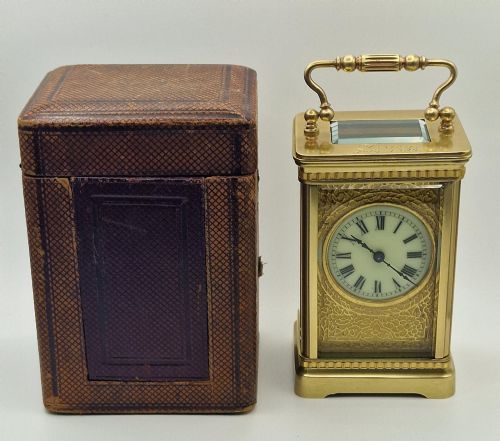
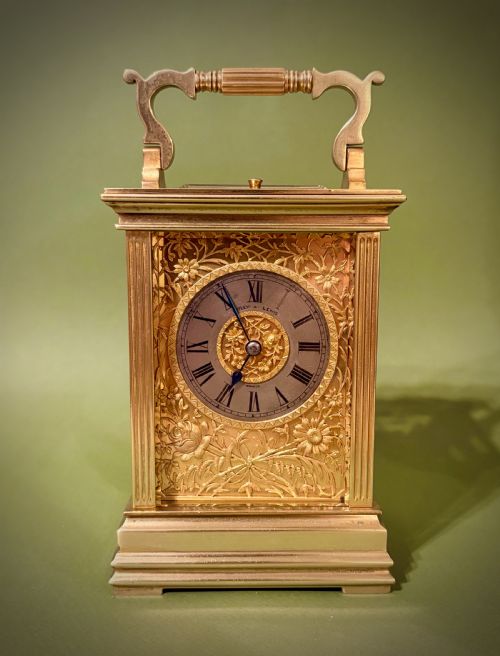
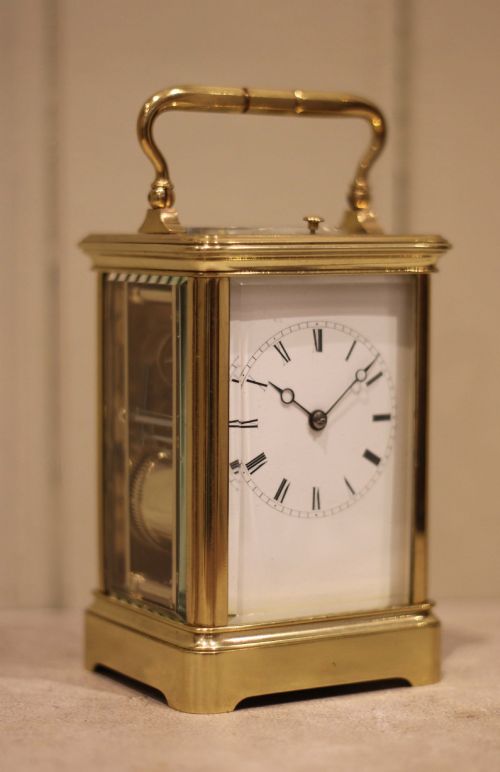
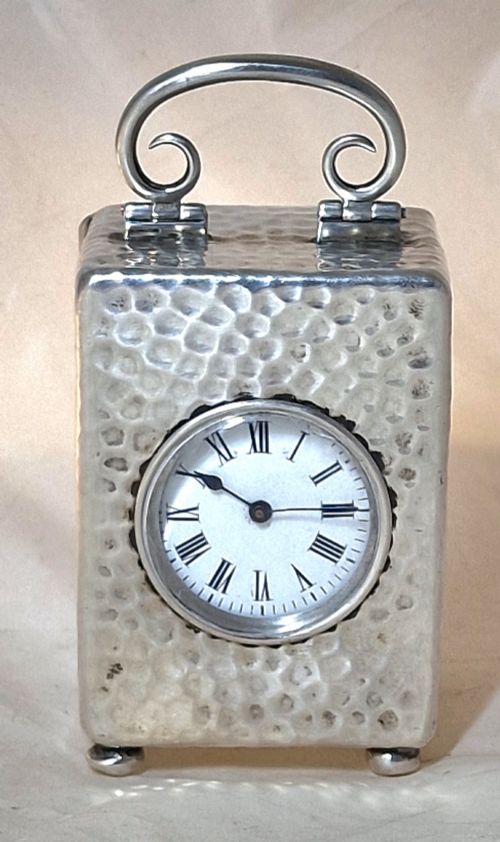
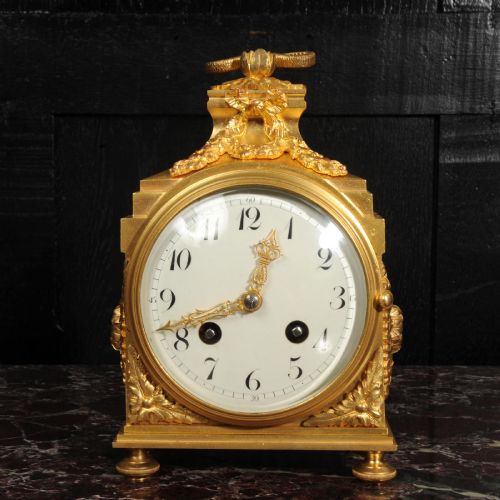
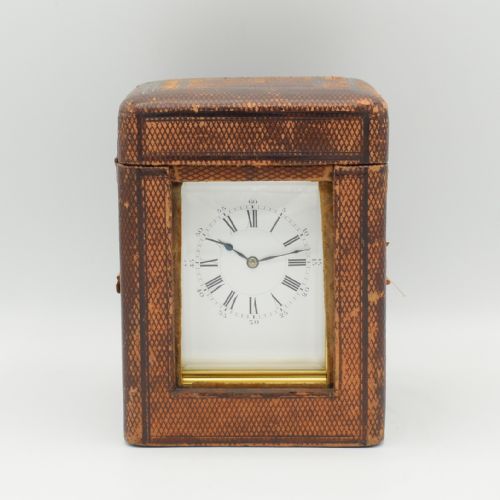
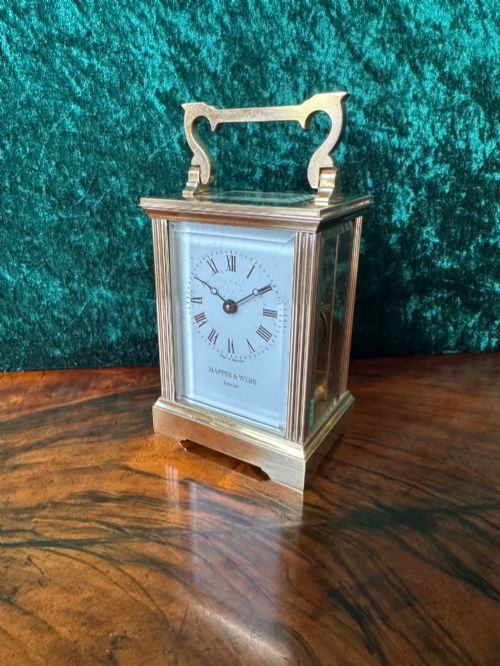
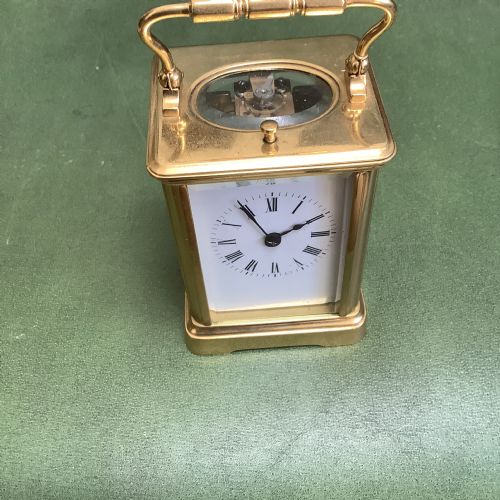
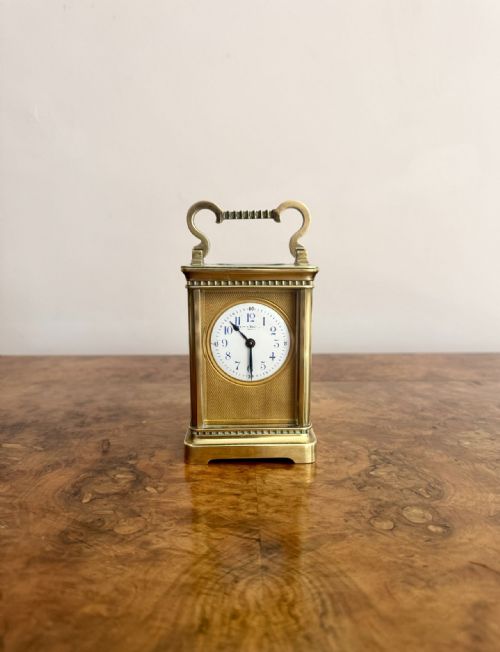
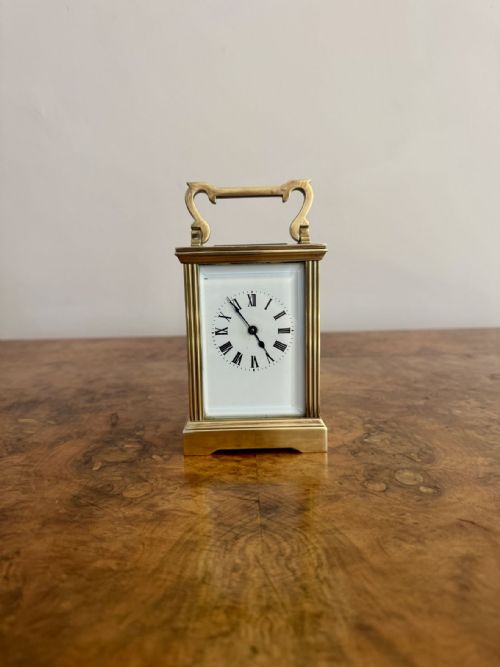
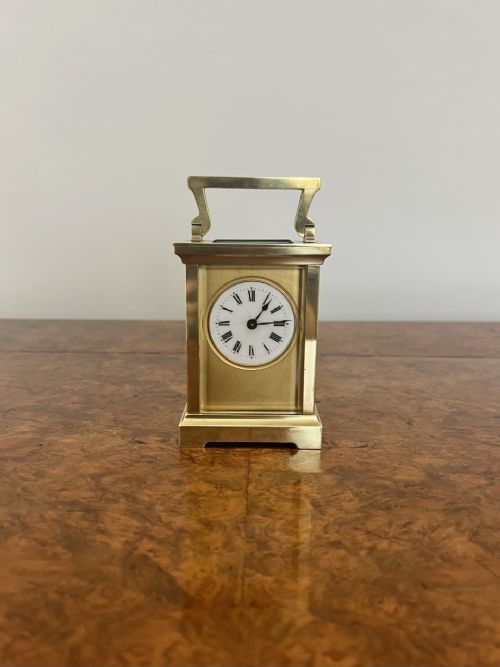
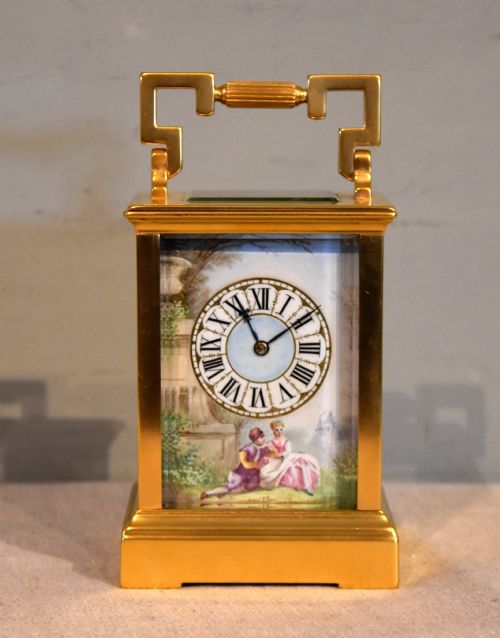
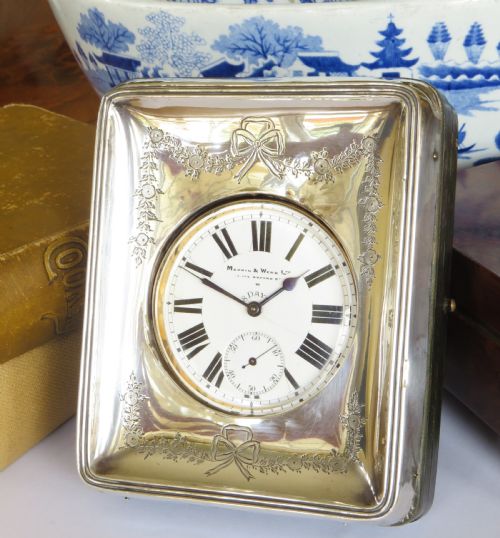
Several travel clocks include working alarm complications designed to rouse weary nineteenth-century passengers before dawn breaks.
Distinctions in Quality
Quality rests upon the precision of the fitted interior, the integrity of the timber, and the presence of original brass hardware. Pieces boasting well-engineered secret compartments, tightly joined mahogany carcasses, and intact leather surfaces occupy the higher tier.
The presence of signed components, secondary woods, and the crispness of engraved brass or gilt mounts separate workshop pieces from standard commercial production.
Henri Jacot·Drocourt Paris·Antoine Redier·Duverdrey and Bloquel·Pickford of London·Mappin and Webb
The Antique Traveling Desk Glossary
- Writing slope
- A portable box with a sloping lid that opens to reveal a slanted writing surface and pigeonholes for stationery. It often includes hidden compartments beneath the removable panels.
- Campaign chest
- A set of drawers or a desk made in sections with brass corners and recessed carrying handles, built for military officers on the move. These pieces dismantle easily for transport.
- Gorge case
- A specific style of brass carriage clock or travel clock case featuring stepped mouldings around the top and bottom. It is typical of fine nineteenth-century French makers.
- Escutcheon
- A protective metal plate surrounding a keyhole, usually cast in brass or gilt brass on these portable boxes. It prevents the surrounding wood from wearing down with repeated use.
Antique Traveling Desk: Frequently Asked Questions
What is an antique travelling desk?
An antique travelling desk is a portable wooden box designed to hold writing materials, paper, and ink safely during journeys. These pieces fold open to provide a firm writing surface wherever the user stops.
They emerged as essential accessories for travellers, military officers, and professionals before the advent of modern transport and mass communication.
How were these boxes used?
Owners placed them on dining tables or hotel desks to write letters, manage accounts, and keep correspondence private. The fitted interior held inkwells, pens, and wafers securely in place.
Secret compartments were built inside to conceal valuables, important documents, or personal keepsakes away from prying eyes.
How do I care for the leather and wood?
Keep mahogany timber away from direct sunlight and sudden temperature shifts to prevent the wood from warping or splitting. Feed the dry leather surfaces sparingly with appropriate conservation wax.
Ensure brass fittings remain dry and clean to prevent tarnishing, and check hinges regularly for loose screws.
How can I tell the period?
Examine the timber, the style of the brass hardware, and the construction methods used inside the secondary drawers. Georgian pieces often display simpler, heavier internal layouts, while Victorian boxes feature more complex spring-loaded mechanisms and brass inlay.
Signatures on locks or movements offer direct clues to the exact decade of manufacture.