



Antique Trading Scales
Antique trading scales are practical instruments of commerce and measurement, sought after for their robust mechanical design and enduring presence in interiors.
Antique Trading Scales
When searching for antique trading scales, a buyer encounters heavy-duty commercial instruments alongside domestic and scientific balances. The selection includes cast iron counter balances, large butcher scales, and delicate beam scales used by chemists.
Most pieces date from the Victorian and Edwardian periods, stretching into the early twentieth century. Regional standards are common, with standard weights produced for specific British cities, counties, and overseas trade.
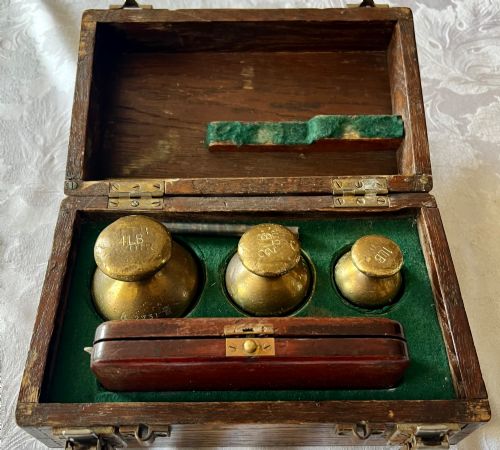
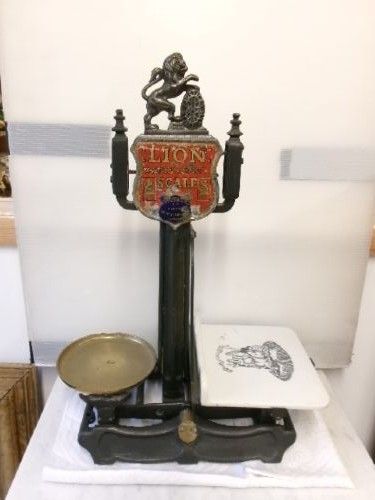
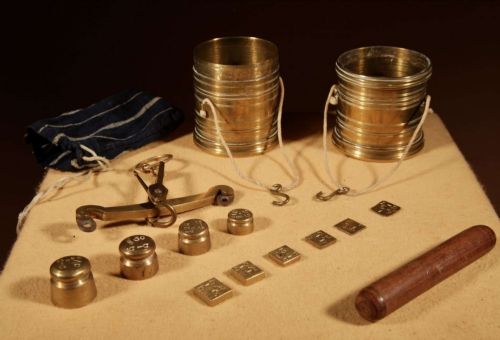
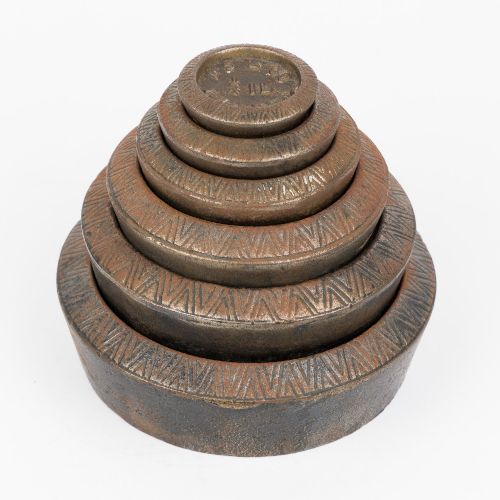
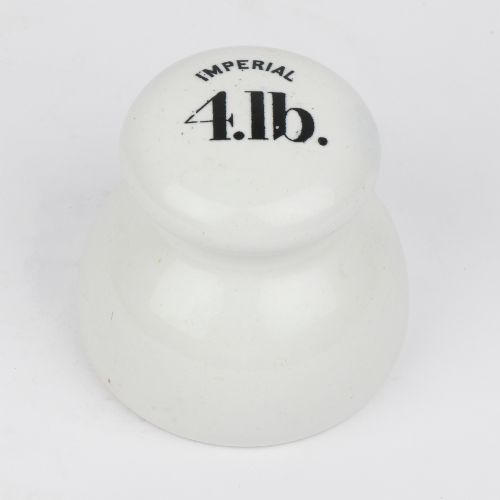
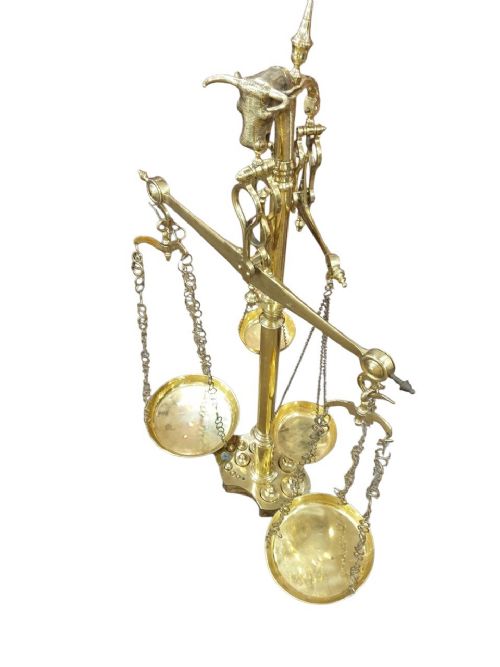
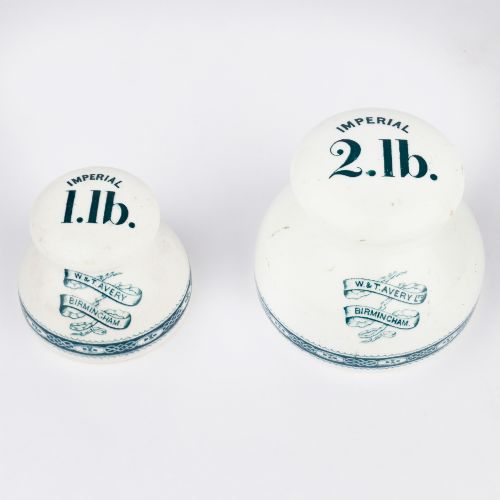
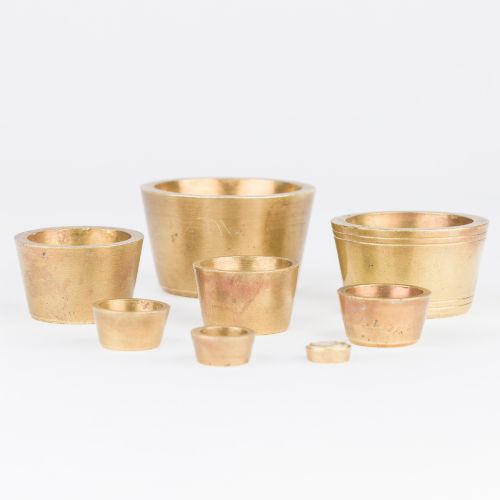
Forms range from floor-standing floor models to brass free-hanging balance beams and Dutch bushel balances. Alongside the scales themselves, collectors find matching sets of imperial stacking weights and ceramic scale pans.
Materials and Construction
Makers utilised cast iron, brass, and heavy wood such as mahogany and camphor-wood to ensure structural stability under heavy loads. Brass beams and pans offer corrosion resistance, while cast iron provides the necessary weight and rigidity for commercial use.
Ceramic and earthenware appear in scale plates and dedicated weights, often bearing maker marks or advertising details. Leather and wrought iron provide additional reinforcement on specialised trunks and balance sticks.
Antique Trading Scales Retail Price Guide 2026
Typical asking prices for trading scales among the pieces listed under this phrase on Sellingantiques today, from the lower quarter to the upper quarter. They describe what is for sale here now, not the wider market.
Listings feature Victorian and Edwardian trading scales constructed from cast iron, brass, mahogany, and ceramic.
Evaluating Craftsmanship
Quality in these instruments rests on the precision of the mechanics and the integrity of the original signage. Clear maker markings from established firms elevate an example above anonymous utility pieces.
The survival of complete sets, such as matching imperial stacking weights or original block stands, distinguishes a comprehensive set from a gathered collection of separate components.
Herbert & Sons London·De Grave Short & Co·W & T Avery·Day & Millward·Bartlett & Sons
The Antique Trading Scales Glossary
- Avoirdupois
- A system of weights based on a pound of sixteen ounces. This standard governed everyday commercial trade across British markets.
- Bushel
- A measure of capacity for dry goods such as corn or fruit. Dutch bushel balances were calibrated to weigh these specific agricultural volumes.
- Troy weight
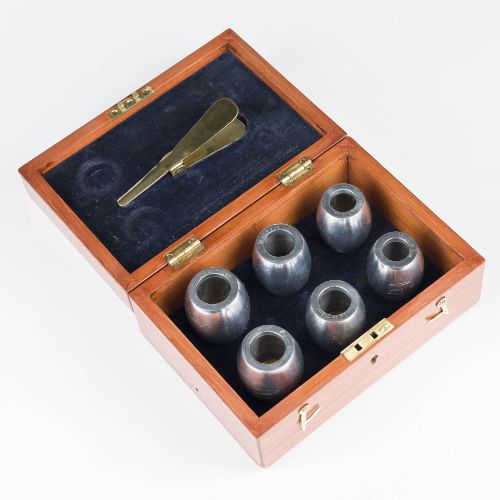
- A system of units of mass used for precious metals and pharmaceuticals. Sets of troy ounce weights appear alongside chemist and apothecary equipment.
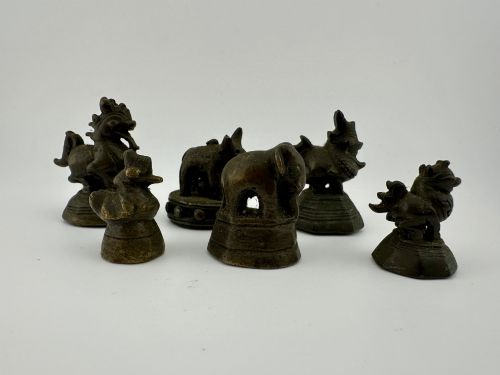
- Opium weights
- Animal-shaped bronze trade weights originating from Southeast Asia. These traditional pieces served commercial functions in regional markets.
Antique Trading Scales: Frequently Asked Questions
What were antique trading scales used for?
These scales served merchants, grocers, butchers, and inspectors for weighing commercial goods and enforcing local trade standards. They ensured accurate measurements for everyday commodities, precious materials, and agricultural produce.
Heavy counter balances handled daily retail transactions, while verification balances were used by official inspectors to check weights and measures across British counties.
How do I date a set of scales?
Dating relies on maker stamps, regional inscription details, and stylistic changes in the cast iron and brass components. Victorian and Edwardian examples often bear specific city or county verification stamps.
Makers frequently included patent dates or company names on the metal beams and ceramic plates, providing a clear window of manufacture.
Are original weights usually included?
Some listings offer complete sets that retain their matching imperial stacking weights, ceramic weights, or dedicated block stands. Other pieces are offered as standalone balance beams or pans.
Finding a complete set with matching county or standard markings adds significant historical context to the piece.
How do I display trading scales at home?
Their substantial size and industrial materials make them striking focal points on large kitchen islands, sideboards, or dedicated display tables. Floor-standing butcher scales suit larger open spaces and hallways.
Pairing the balance beams with matching brass or ceramic weights enhances the visual arrangement while respecting the original function of the objects.