




Antique Trade Sign Board
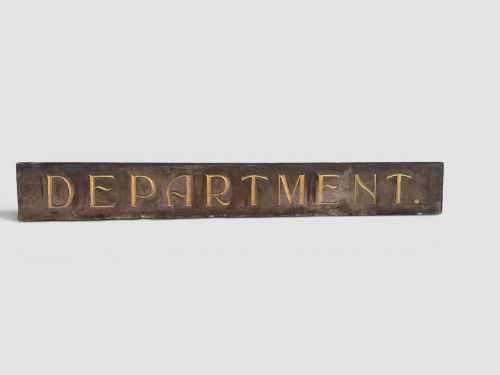
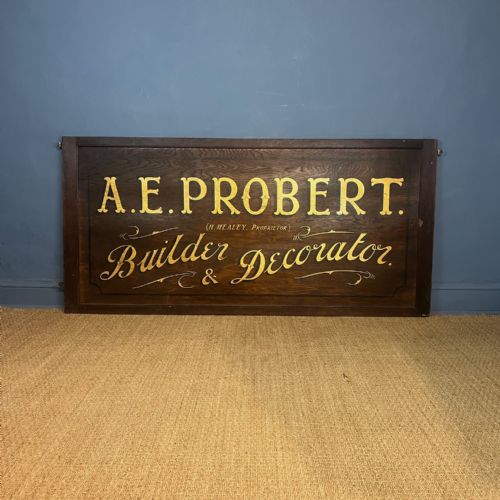
An antique trade sign board brings authentic commercial history into a room, offering striking hand-painted typography and rich patination.
Antique Trade Sign Board
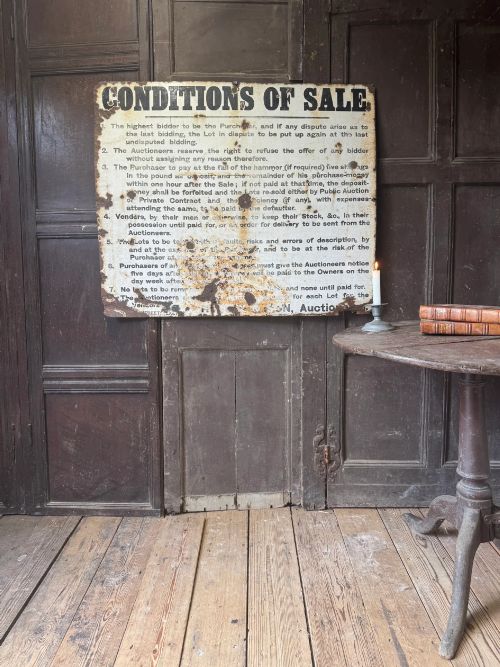
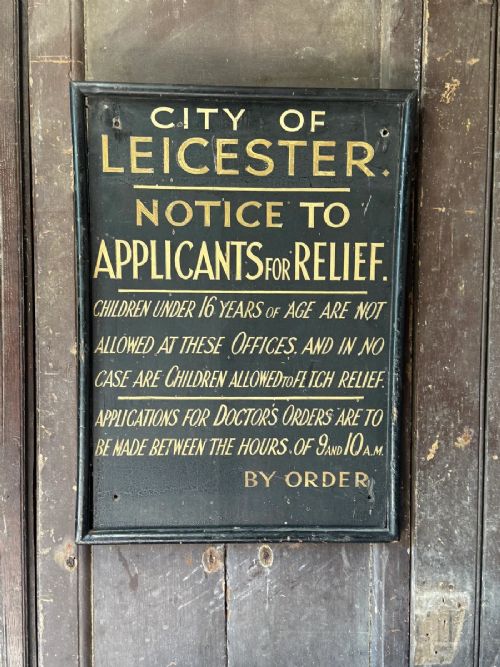
When you search for an antique trade sign board, you are looking at functional commercial markers that once advertised shops, tradesmen, and businesses from the nineteenth and twentieth centuries. These pieces encompass various forms including wall signs, advertising displays, shop signs, and painted wooden or metal panels.
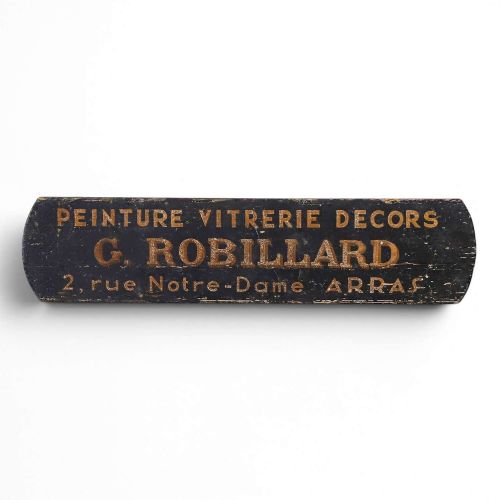
You are most likely to meet examples spanning the Victorian, Edwardian, and mid-century periods, constructed from painted wood, timber, and sheet metal. These boards served practical purposes for hardware stores, painters, decorators, and pharmacies before transitioning into decorative wall art.
Materials and construction
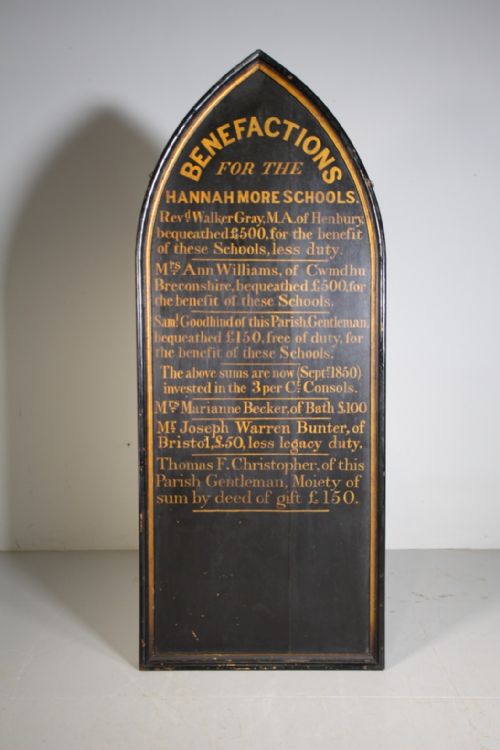
Makers utilised timber, wood, and sheet metal as the primary substrates for these advertisements, often framing them in wood or mounting them on iron. Surfaces were prepared with paint and sometimes finished with gold leaf to catch the eye of passers-by.
Lettering and imagery were applied by hand, resulting in folk art qualities and distinctive brushwork unique to each tradesman or sign painter. Enamelling also appeared on metal variants, providing durable finishes designed to withstand external weather conditions.
A locksmith's sign shaped like an oversized key quietly reminds us of a time when trade was worn quite literally on the sleeve.
Distinctions in quality
The standard of an antique trade sign board rests upon the crispness of the hand-painted lettering, the balance of the composition, and the authenticity of the original surface wear. Bold typography and clear attribution to specific trades or locations elevate a piece.
Boards that retain their genuine patination without excessive modern restoration hold greater visual appeal. The complexity of the imagery, such as pictorial representations relating to yachting, locksmiths, or dentistry, further distinguishes exceptional examples from standard lettering.
Gerwin and Co Birmingham
The Antique Trade Sign Board Glossary
- Patination
- The natural ageing, weathering, and wear accumulated on the surface of wood, paint, and metal over decades of exposure. This accumulated layer provides visual depth and confirms the age of the piece.
- Folk art
- Artistic work created within a traditional culture by self-taught or artisanal makers, lacking formal academic training. In signage, this appears in idiosyncratic lettering and charmingly naive pictorial details.
- Gold leaf
- Gold beaten into extremely thin sheets and applied to surfaces for lettering or ornamentation. It reflects light effectively and denotes a higher grade of commercial signage.
- Enamelled
- Glass fused to a metal substrate at high temperatures to create a smooth, glossy, and durable coloured surface. This technique protected outdoor metal signs from rust and fading.
Antique Trade Sign Board: Frequently Asked Questions
How were antique trade sign boards used?
These boards were mounted outside shops, workshops, and businesses to advertise services, trades, and goods to the public. They identified establishments such as hardware stores, pharmacies, and painters.
Over time, many of these functional markers transitioned from commercial use into interior decoration, prized for their graphic qualities and historical association with past trades.
How do I date an antique trade sign board?
Dating relies on examining the materials, typography styles, and construction methods used in the board. Victorian and Edwardian examples often feature hand-painted wooden panels, while mid-century pieces frequently incorporate sheet metal or specific industrial aesthetics.
Specific clues such as named businesses, historical addresses, or known manufacturing techniques help narrow the period of origin between the nineteenth and mid-twentieth centuries.
How do I hang a heavy wooden sign board?
Due to the substantial weight of timber panels and iron frames, secure wall fixings into structural studs or masonry are essential. Using appropriate brackets or weight-bearing mirror plates ensures the piece remains safely supported.
Distributing the weight evenly across multiple mounting points protects both the wall and the antique wooden structure from undue strain.
What is the difference between painted wood and enamelled signs?
Painted wooden signs rely on traditional brushwork on timber boards, often exhibiting unique folk art characteristics and visible brush strokes. They were typically used indoors or sheltered shop fronts.
Enamelled metal signs use fused glass on sheet metal to create a weather-resistant, glossy surface designed to withstand outdoor elements without fading or rusting.