



Antique Townscape Art
Antique townscape art captures the bricks, mortar and river quays of past centuries through oil paint and delicate watercolour on paper.
Antique Townscape Art
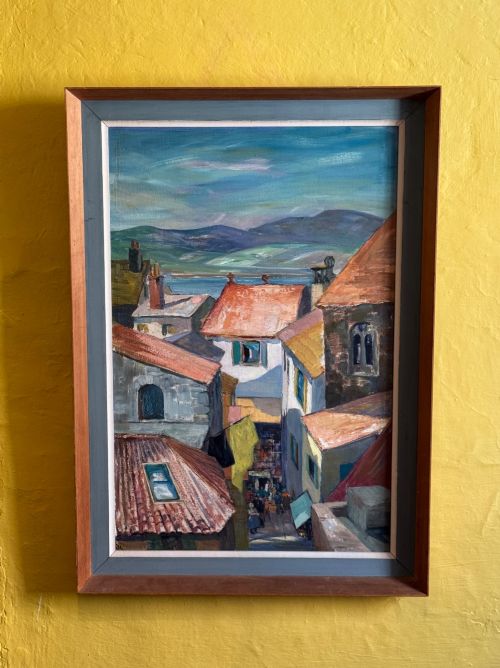
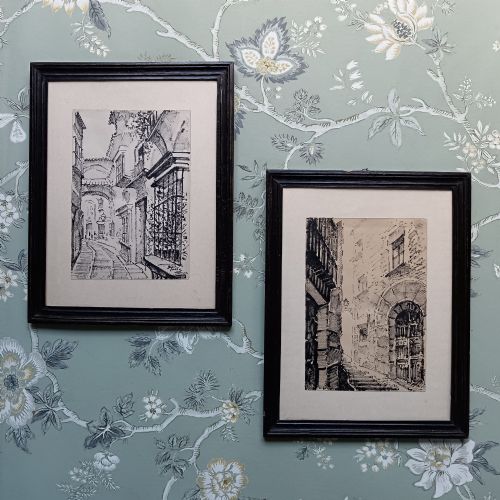
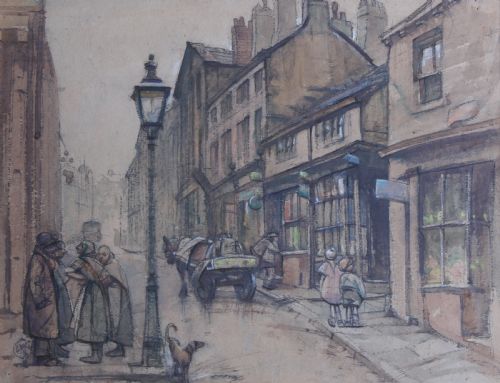
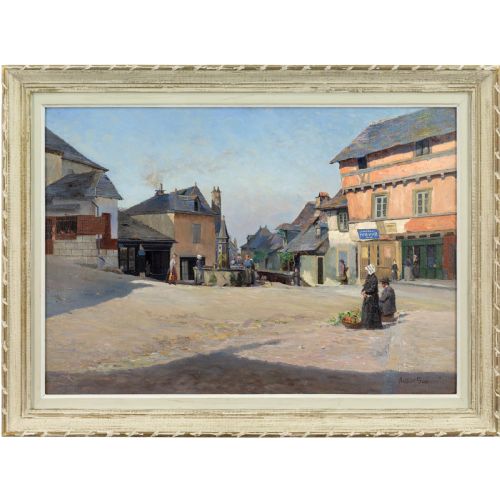
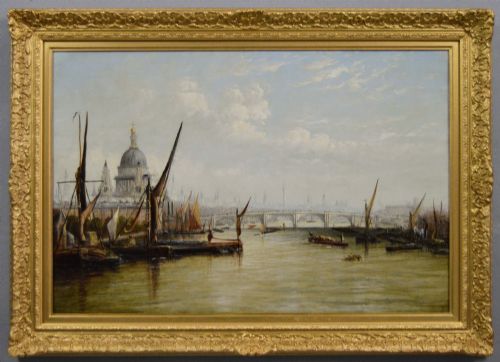
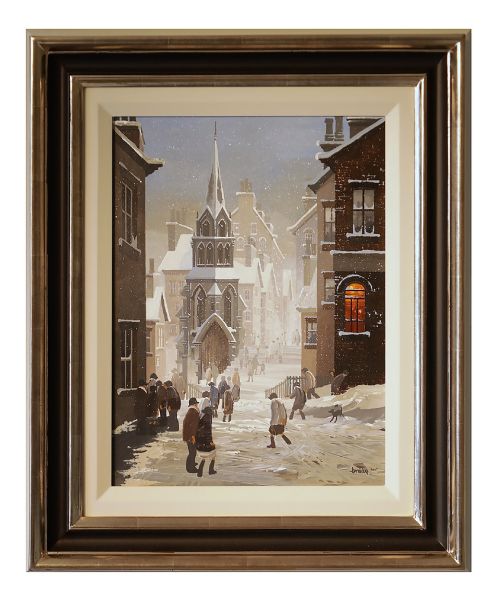
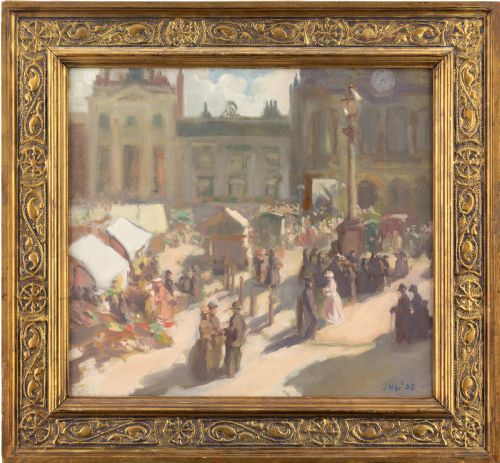
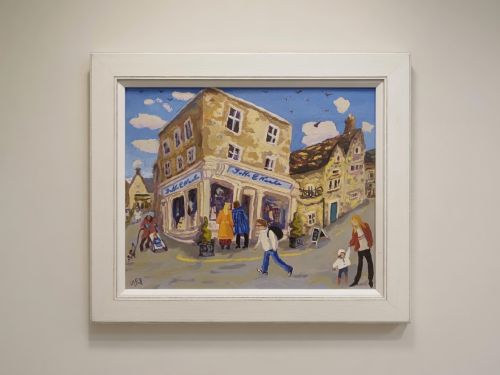
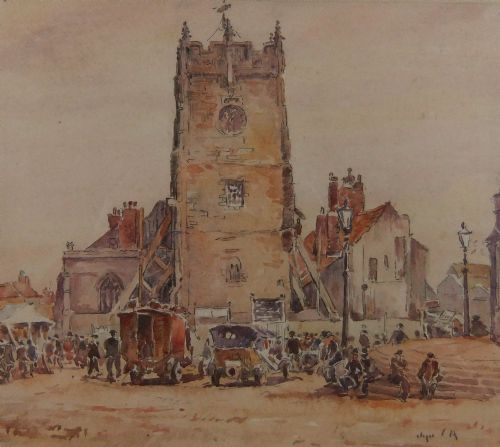
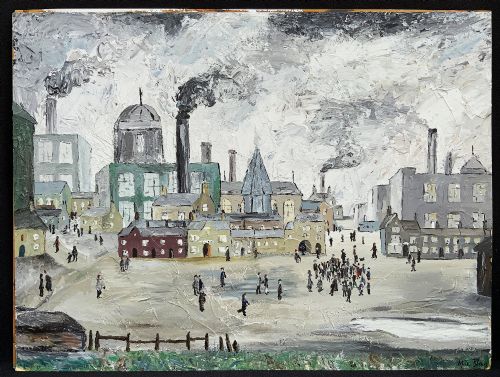
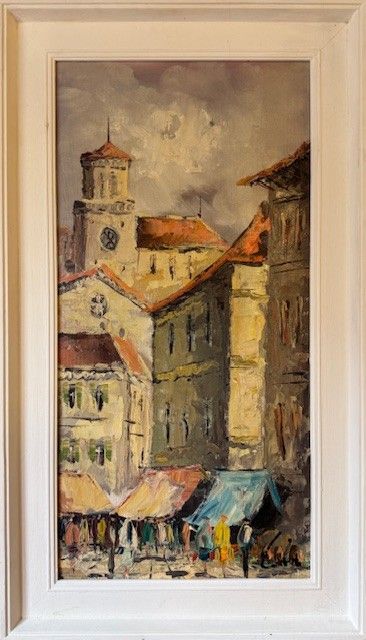
When you examine antique townscape art, you look at urban views, market squares and architectural street scenes captured by artists from the nineteenth and early twentieth centuries. These works record physical changes in British and continental towns, documenting everything from northern industrial mills to Venetian canals.
The most common examples on this page are watercolour paintings on paper and oil paintings on canvas or board, originating from periods such as the Victorian and Edwardian eras. Painters often focused on specific local landmarks, quaysides and bustling market mornings.
These urban and coastal views allow a buyer to bring historic architecture and human activity into a modern room. Each picture acts as a visual window into how towns functioned decades ago.
How these pieces were made
Artists utilised traditional pigments mixed with oil or bound in watercolours, applying them to prepared canvases, wooden panels, paper or board. Many works incorporate fine pencil underdrawing to establish the perspective of buildings before the application of paint.
Frames made from wood and finished with gold leaf or giltwood frequently house these paintings, protecting the edges of the canvas or the fragile surface of the paper watercolours.
Antique Townscape Art Retail Price Guide 2026
Typical asking prices for townscape art among the pieces listed under this phrase on Sellingantiques today, from the lower quarter to the upper quarter. They describe what is for sale here now, not the wider market.
Several artists could not resist painting rainy British streets, proving that moody weather inspired painters long before modern photography.
What varies in quality
The skill of the perspective drawing and the fidelity of the architectural rendering separate the finest works from ordinary examples. A painter who accurately captures light falling across stone facades and bustling market figures elevates a street scene far above a rigid, mechanical copy.
Condition and preservation also define quality, particularly with works on paper where foxing or fading can alter the original balance of pigments. Intact surfaces on canvas and well-preserved giltwood frames contribute significantly to the standing of a piece.
Francis Moltino·Cornelis Christian Dommersen·Alfred Pollentine·Arthur Joseph Meadows·William Manners
The Antique Townscape Art Glossary
- Watercolour
- A paint consisting of pigment suspended in a water-based solution, typically applied to paper. It allows for translucent washes of colour.
- Giltwood
- Wood that has been coated with a thin layer of gold leaf or gold paint. It frequently surrounds nineteenth-century frames.
- Impressionism
- A style of painting characterised by relatively small, thin yet visible brush strokes and an accurate depiction of light. British and continental artists adopted these methods in the late nineteenth and early twentieth centuries.
- Panel
- A flat piece of wood used as a support for oil painting instead of canvas. Artists utilised panel for its rigid surface.
Antique Townscape Art: Frequently Asked Questions
What is antique townscape art?
Antique townscape art comprises paintings and watercolours depicting streets, buildings, harbours and market squares from periods spanning the nineteenth and early twentieth centuries.
These works document historical architecture and daily urban life using oil or watercolour mediums.
How do I date a townscape painting?
Dating relies on stylistic evidence, clothing worn by figures in the street, architectural details of the buildings shown, and artist signatures recorded in historical archives.
Framing materials and backing boards also offer clues regarding the period of creation.
Where should I hang these paintings?
These artworks suit studies, living rooms or hallways where adequate wall space allows proper viewing of architectural details.
Protect the paintings from direct sunlight to prevent watercolour fading and canvas degradation.
What subjects appear in these scenes?
Common subjects include bustling market squares, northern industrial mills, Dutch street scenes, and Italian coastal waterways featuring gondolas and historic palazzos.
Artists also frequently recorded local bridges, inns and river quays across Britain.