




Antique Tortoiseshell Frame
An antique tortoiseshell frame brings warmth and deep amber translucency to desks and walls alike, bridging centuries of decorative craft.
Antique Tortoiseshell Frame
When you search for an antique tortoiseshell frame, you encounter objects primarily designed to house photographs, mirrors, or paintings.
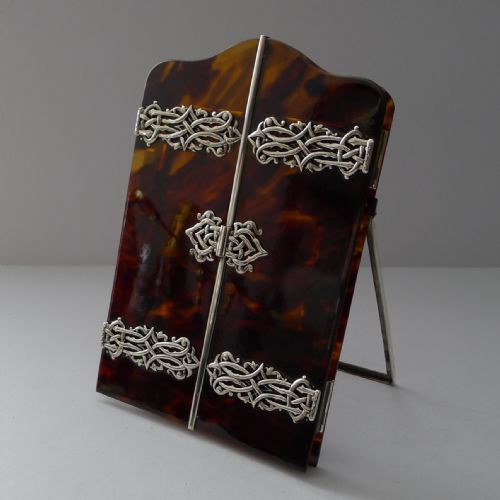
The most common examples on this page are Victorian and Edwardian photograph frames mounted in sterling silver.
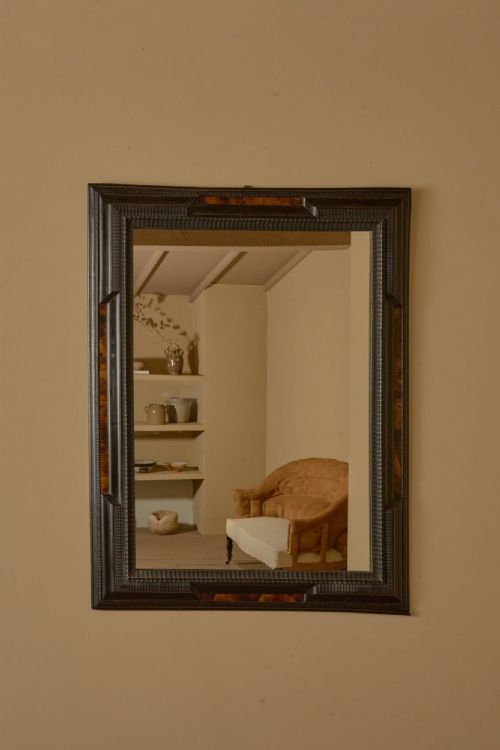
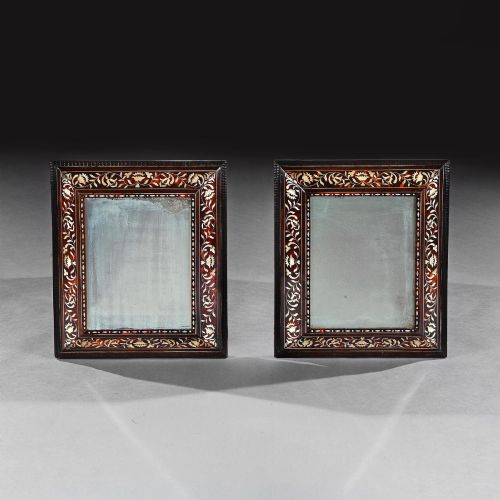
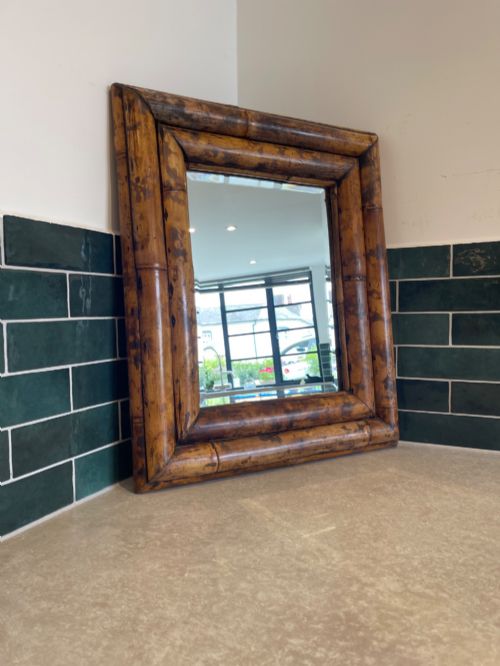
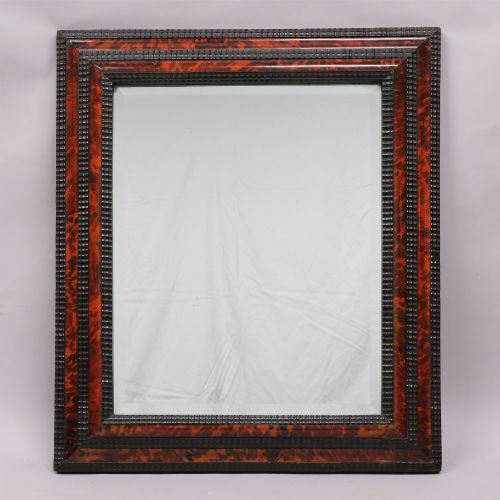
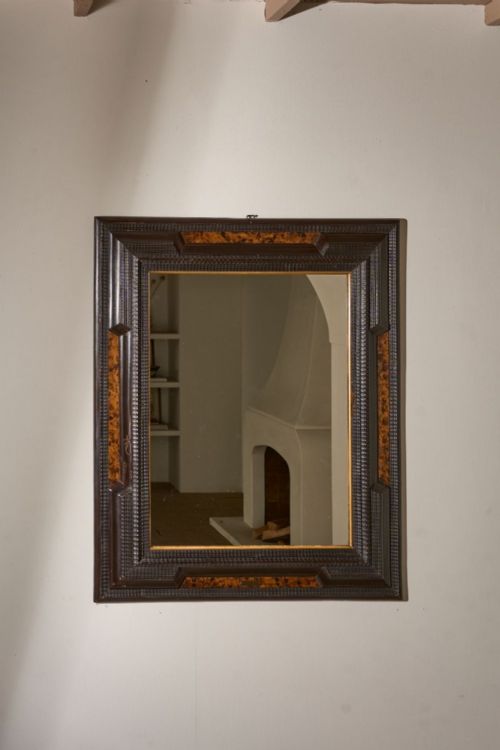
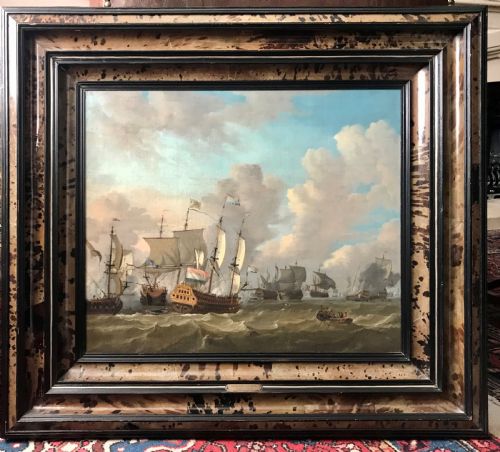
Earlier iterations take the form of larger mirrors or architectural surrounds, demonstrating the broad historical scope of the material.
How they were made
Makers applied thin plates of tortoiseshell to a wooden core, often securing the overlapping joints with heat and pressure.
Silver mounts and delicate pique inlay of silver wire were frequently added to embellish the surface of photographic and mirror frames.
Antique Tortoiseshell Frame Retail Price Guide 2026
Typical asking prices for tortoiseshell frame among the pieces listed under this phrase on Sellingantiques today, from the lower quarter to the upper quarter. They describe what is for sale here now, not the wider market.
Listings feature items spanning from the seventeenth century through to the 1930s, incorporating wood, glass, and sterling silver.
What varies in quality
Quality rests upon the depth of the shell's natural figuring and the precision of the underlying wooden construction.
Examples featuring intact silver mounts, crisp pique work, and well-preserved structural integrity stand apart from lesser items.
Asprey London·Macy & Co·Negretti & Zambra London
The Antique Tortoiseshell Frame Glossary
- Tortoiseshell
- A mottled brown and amber material derived from the shell of certain marine turtles, historically valued for its rich translucency. It was widely utilised across the nineteenth and early twentieth centuries for small decorative objects and frames.
- Pique
- A decorative technique involving the inlay of tiny pins or strips of gold or silver into tortoiseshell. Artisans heated the metal to press it securely into the softened shell surface.
- Ebonised
- Wood treated with a dark stain or finish to imitate ebony. This dark border often provided a stark visual contrast to amber tortoiseshell mouldings.
- Ripple frame
- A picture frame characterised by undulating, wave-like mouldings carved into wood or finished with dark coatings. These frames frequently date to the seventeenth and nineteenth centuries.
Antique Tortoiseshell Frame: Frequently Asked Questions
How do I date an antique tortoiseshell frame?
Dating relies heavily on accompanying hallmarks on silver mounts, structural styles, and backing materials. Victorian and Edwardian examples often feature assay office stamps that narrow down the exact year.
Unmarked or earlier seventeenth and eighteenth-century pieces require stylistic analysis of the moulding, joinery, and the specific application of the shell plates.
Are these frames made of real shell?
Historical pieces from the seventeenth through to the early twentieth century utilise genuine marine turtle shell. Later alternatives sometimes employ early plastics or faux finishes.
Examining the natural irregularities, warmth, and depth of the amber patterning helps distinguish genuine shell from synthetic substitutes.
How should I care for tortoiseshell?
Tortoiseshell is sensitive to rapid changes in humidity, temperature, and direct sunlight, which can cause warping or fading. Keeping pieces away from heat sources preserves the natural material.
Dust gently with a soft, dry cloth and avoid harsh chemical cleaners or polishing agents that might damage the surface.
What is silver pique work?
Silver pique is a meticulous ornamentation method where tiny silver wires or dots are embedded directly into tortoiseshell. Craftsmen created geometric or floral motifs by pressing the metal into heated shell.
This intricate inlay is frequently found on photograph frames dating around the turn of the twentieth century.