





Antique Top Hat
When you search for an antique top hat, you uncover formal silk and plush toppers alongside leather storage cases and artistic depictions from the nineteenth and early twentieth centuries.
Antique Top Hat
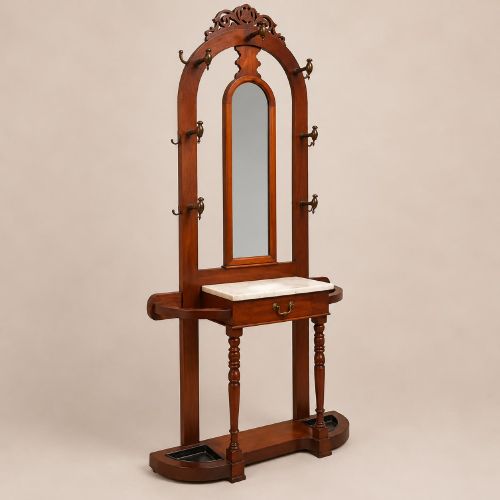
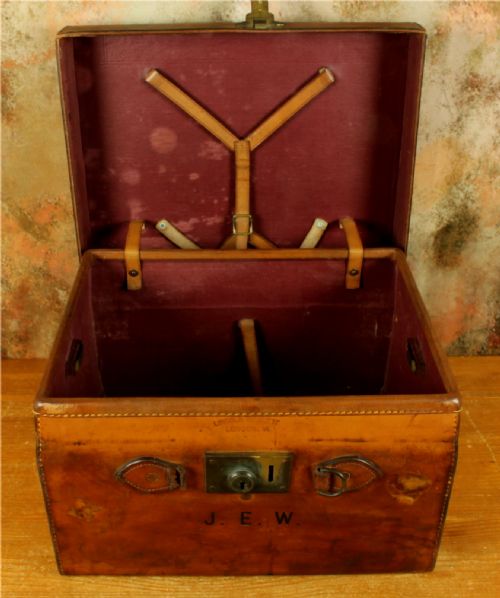
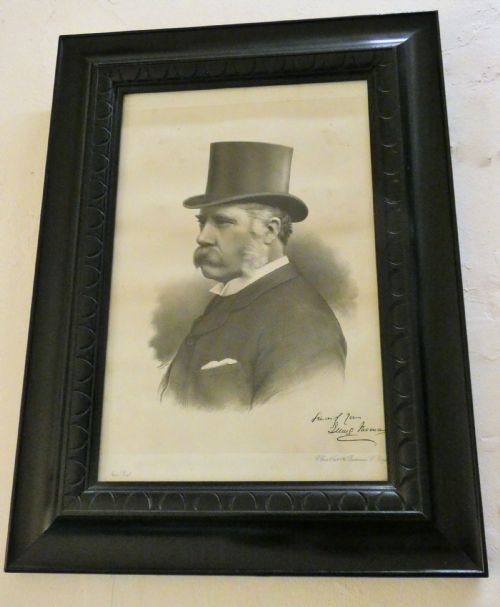
An antique top hat embodies formal Victorian and Edwardian attire, appearing alongside purpose-built leather transit cases and domestic hall furniture designed to hold them. Buyers frequently encounter silk plush toppers paired with fitted storage boxes, as well as decorative glass novelties and paintings depicting gentlemen in formal wear.
Materials and construction methods
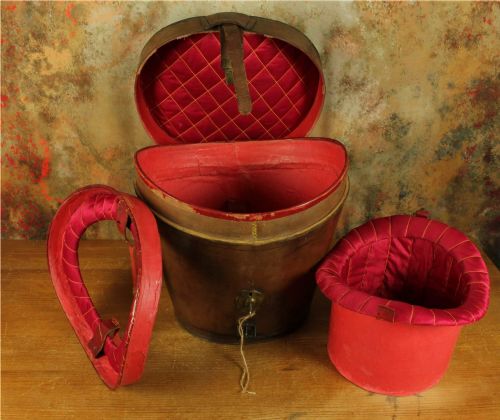
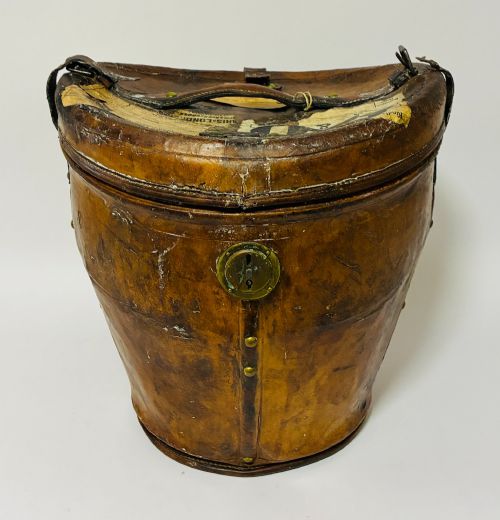
Hats and cases utilise specialist materials including plush silk, leather, and moulded metal, often incorporating rigid internal frames to maintain their distinct cylindrical shapes. Storage boxes employ robust leather over wooden or metal carcasses, fitted with brass buckles and velvet or silk linings to protect the hats within.
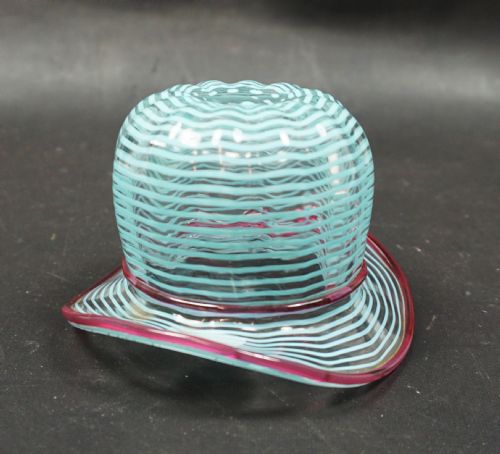
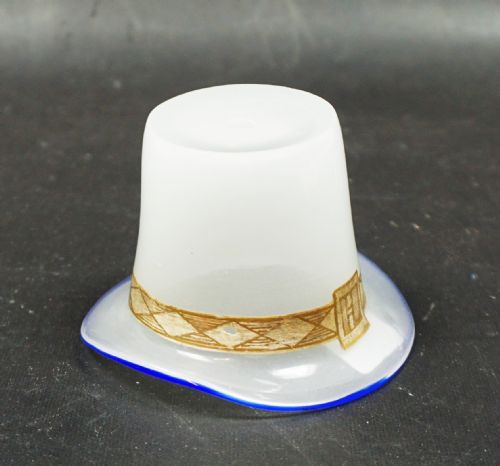
Glass examples demonstrate blown techniques with applied coloured canes and gilt bands, while hall stands combine carved mahogany, oak, cast iron, and marble shelves to accommodate hats, coats, and umbrellas.
Antique Top Hat Retail Price Guide 2026
Typical asking prices for top hat among the pieces listed under this phrase on Sellingantiques today, from the lower quarter to the upper quarter. They describe what is for sale here now, not the wider market.
The selection encompasses wearable hats, multi-hat leather transit cases, hall stands, trade signs, paintings, and glassware.
Distinctions in quality
Quality reveals itself in the fineness of the silk plush nap and the integrity of the internal structure, where superior examples retain their rigid symmetry without sagging. Storage cases show distinction through heavy-grade stitched leather, functional brass hardware, and well-preserved maker stamps on the interior silk lining.
In related items like hall stands and decorative art, quality rests on the depth of timber carving, the absence of structural repairs, and the precision of detail in oil paintings or watercolours.
Lincoln Bennett of London·Woodrow and Sons·J.E.W.·JW Allen·Cuthbertson of London·Coalbrookdale·Fasold and Stauch
The Antique Top Hat Glossary
- Silk plush
- A specialised fabric with a dense, directional pile used to give traditional top hats their characteristic glossy sheen. This material requires careful brushing to maintain its appearance.
- Transit case
- A rigid storage container, typically made of leather and custom-shaped to hold one or more hats securely during travel. These cases often feature hinged lids and sturdy carrying handles.
- Hall stand
- A piece of hallway furniture combining coat hooks, umbrella wells, and hat storage. Many examples incorporate mirrors and marble shelves.
- Opaline glass
- An opaque or translucent white glass popular in the nineteenth century. It serves as the base material for decorative glass hat novelties adorned with coloured glass canes.
- Novelty
- An object made in the playful shape of a functional item, such as a salt cellar or pin cushion shaped like a top hat. These decorative pieces were popular in silver and glass.
Antique Top Hat: Frequently Asked Questions
How should I store an antique top hat?
Keep the hat inside a dedicated leather transit case away from direct sunlight and excessive humidity. This protects the delicate silk plush nap from dust and physical crushing.
Ensure the hat rests properly on its crown or sits within a fitted support ring so the brim maintains its original shape over time.
What are hat transit cases made of?
Transit cases are constructed from thick, vegetable-tanned leather built over a rigid core to withstand travel. They frequently feature reinforced corners and brass fastenings.
The interiors are typically lined with soft fabric or quilted silk to cushion the hat during transit.
How do I identify the period of a top hat?
Examine the maker's mark stamped onto the interior leather sweatband or silk lining. Names like Lincoln Bennett or Woodrow and Sons often correspond to specific nineteenth and early twentieth-century trading periods.
The height of the crown and the curve of the brim also shift subtly across decades, moving from taller Victorian shapes to slightly lower Edwardian forms.
Were glass top hats worn?
Glass top hats were purely decorative objects, paperweights, or novelty display pieces rather than wearable items. Makers in Nailsea and France produced them as artistic glasswares.
They often feature coloured glass cane trailing and gilt highlights, showcasing the skill of nineteenth-century glassblowers.