



Antique Toleware Container
These antique toleware containers are painted and japanned metal storage vessels that bring rich colour and historic utility into a modern interior.
Antique Toleware Container
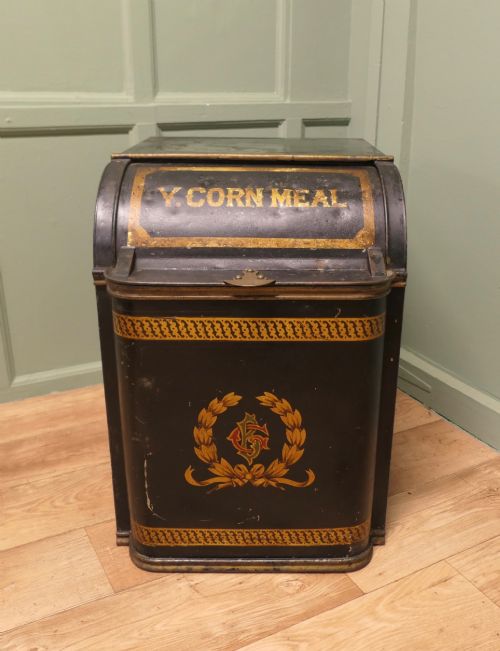
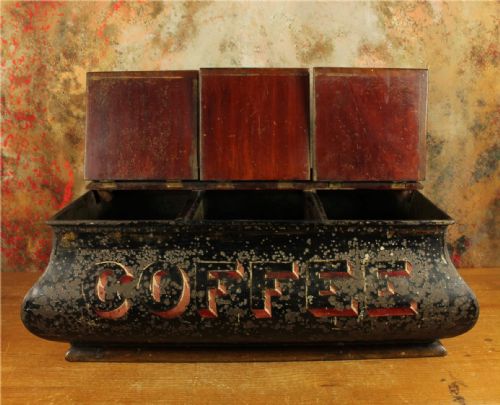
An antique toleware container spans domestic and utilitarian forms designed for everyday storage in homes, offices and shops. When you search for an antique toleware container, you encounter pieces that served specific functional roles ranging from small spice boxes to large coal bins and log stores.
Forms include specialised storage like grocery hoppers with wine bottle holders, tobacco boxes, and folk art barge wear log boxes. These pieces combine sheet metal construction with decorative painting, reflecting both utilitarian necessity and decorative craft.
How they were made
These pieces are built from sheet iron or sheet metal, shaped into functional vessels and often finished with brass rims or gold leaf details. The core structure relies on durable metal fabrication designed to withstand heavy daily use.
Surfaces are treated with paint and japanning, creating the characteristic glossy dark or colourful ground typical of toleware. Many examples feature hand-painted decoration, ranging from folk art motifs to formal Regency and Victorian ornamentation.
Antique Toleware Container Retail Price Guide 2026
Typical asking prices for toleware container among the pieces listed under this phrase on Sellingantiques today, from the lower quarter to the upper quarter. They describe what is for sale here now, not the wider market.
Listings feature items spanning the Georgian, Regency, and Victorian eras up to the early twentieth century.
What varies in quality
Quality in these containers rests on the preservation of the original painted surface and the crispness of any hand-painted or gilt details. Pieces retaining their rich decorative schemes and original brass hardware sit higher in the range than those with heavily degraded finishes.
Structural integrity of the sheet iron and metal joints also dictates the calibre of a piece, alongside the sophistication of the form, such as specialised compartments or folk art execution.
The Antique Toleware Container Glossary
- Toleware
- Painted or japanned metalware, typically tin or sheet iron, decorated for domestic use. It mimics Asian lacquer techniques popular in Europe during the eighteenth and nineteenth centuries.
- Japanning
- A type of European finish that emulates Japanese and Chinese lacquerwork. It involves applying layers of varnish and heat-curing the surface.
- Folk Art
- Utilitarian items decorated by non-traditional or self-taught artisans. These pieces display regional styles and direct, unpretentious artistic expression.
- Regency
- A British design period spanning the early nineteenth century. It is characterised by classical restraint, elegant proportions, and refined decorative motifs.
Antique Toleware Container: Frequently Asked Questions
What were antique toleware containers used for?
These metal vessels served a multitude of practical storage tasks around the historic home, shop, and office. They held dry goods, documents, tobacco, spices, and fuel such as coal and logs.
Their robust construction made them ideal for contents that required protection from moisture, pests, or light. Over time, their durable painted surfaces allowed them to transition from purely utilitarian basement or kitchen items into decorative display pieces.
How do I date an antique toleware container?
Dating relies on observing the manufacturing technique, the style of the painted decoration, and the form of the object itself. Georgian and Regency pieces often display classical motifs and refined proportions, while Victorian items introduce bolder folk art styles or specialised industrial uses.
Material details such as brass rims, sheet iron weight, and the composition of the paint layers also provide clues to the era of production. Comparing the object type to known historical examples helps narrow down the decade or century.
How do I clean and maintain toleware?
Maintenance requires gentle dusting with a soft, dry cloth to protect the delicate painted or japanned surface. Moisture and harsh chemical cleaners must be avoided entirely to prevent lifting the historic paint layers.
Keeping the metal container in a stable environment away from direct sunlight and dampness preserves the finish. Wax is occasionally applied by conservators, but standard pieces only require careful handling.
How are toleware and tinplate different?
Tinplate refers strictly to sheet iron or steel coated with a thin layer of tin to prevent rust, serving as a base material. Toleware is the finished, painted, and decorated decorative art object created from that metal substrate.
While all toleware uses metal bases like tin or sheet iron, not all tinplate is toleware because much of it remained unpainted for plain industrial utility. Toleware specifically highlights the decorative surface layer applied over the metal.