


Antique Toilet Chest
These antique toilet chest pieces are classic wooden items of personal grooming furniture, sought after for their traditional craftsmanship and useful storage compartments.
Antique Toilet Chest
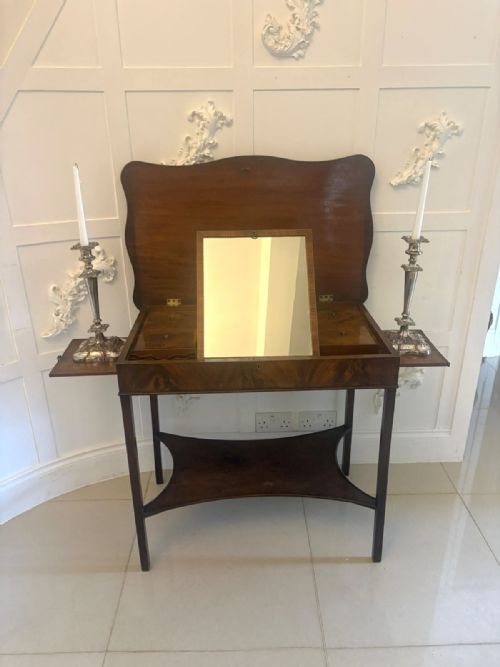
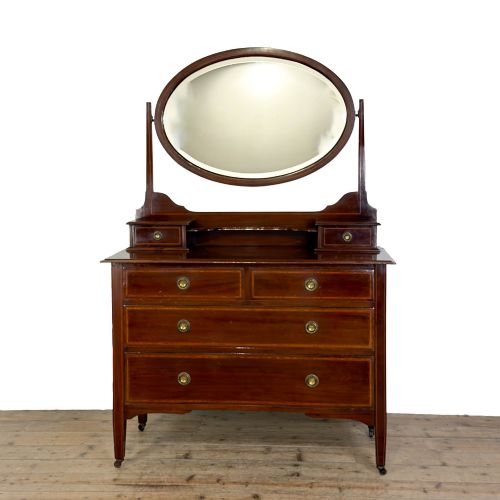
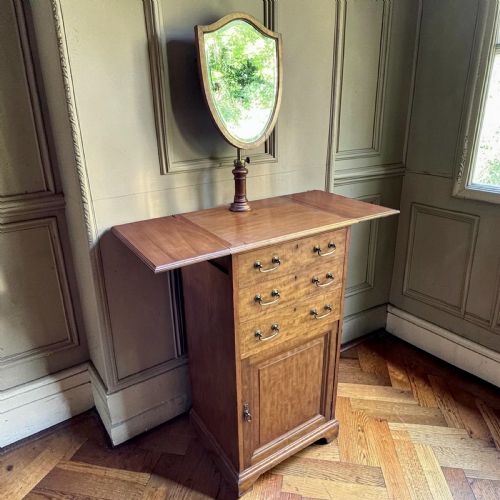
When you search for an antique toilet chest, you are looking at period pieces designed for personal grooming, dressing, and the secure storage of valuables or cosmetics. The pieces seen here span from the 17th century through to the Edwardian era, encompassing various forms of grooming furniture.
You are most likely to meet mahogany or oak dressing tables and chests on this page, alongside smaller portable dressing boxes and travel cases. These range from simple oak close stools and campaign chests to refined satinwood or walnut dressing chests fitted with mirrors.
The assortment includes related grooming items such as dressing tables, dressing boxes, and close stools originating from British, French, and campaign traditions. Each piece reflects the domestic habits and cabinet-making standards of its respective century.
Materials and construction
Makers utilised solid timbers such as mahogany, oak, walnut, and satinwood, often accentuating the grain with figured veneers. Brass hardware, glass mirrors, and iron fittings appear frequently to support the functional moving parts of each chest.
Interior compartments frequently incorporate velvet linings, glass containers, and silver fittings to protect delicate items and cosmetics. Construction methods rely on traditional cabinet joinery appropriate to periods ranging from the 17th century to the early 20th century.
Markers of quality
Quality rests in the selection of timbers, such as figured walnut or richly grained mahogany, and the precision of the cabinet joinery. Superior examples maintain their original glass mirrors, brass handles, and fitted interior elements without later replacements.
Heals of London·Gillows·Parkins & Grotto
The Antique Toilet Chest Glossary
- Close stool
- A piece of period furniture designed to enclose a chamber pot, often constructed in oak during earlier centuries.
- Cheval mirror
- A freestanding full-length mirror mounted on a pivoted frame, allowing the glass to tilt.
- Campaign chest
- Portable furniture built in sections with brass corners and recessed handles for military transport.
- Satinwood
- A durable, yellowish timber prized for its smooth sheen and used extensively in high-end cabinet making.
- Veneer
- A thin slice of figured wood applied over a secondary timber base to create a decorative exterior surface.
Antique Toilet Chest: Frequently Asked Questions
What is an antique toilet chest?
An antique toilet chest is a period furniture piece intended for personal grooming, washing, and storing cosmetics or jewellery. These items include dressing tables, chests with integrated mirrors, and portable dressing cases.
Historically, the term toilet referred to the entire morning dressing routine rather than a bathroom fixture. These pieces provided dedicated surfaces and compartments for powders, brushes, and personal valuables.
How do I date an antique dressing chest?
Dating relies on examining the timber species, construction techniques, hardware, and prevailing styles such as Georgian, Victorian, or Edwardian. Regional origins and documented maker signatures also help establish a chronological window.
Earlier pieces from the 17th and 18th centuries typically feature solid oak or mahogany construction with hand-cut joinery. Later 19th-century and Edwardian examples often incorporate factory-produced hardware and varied veneers like satinwood or walnut.
How were portable dressing boxes used?
Portable dressing boxes and travelling vanity cases allowed individuals to transport their grooming equipment securely during journeys. They contained specialised slots for glass bottles, silver-fitted jars, and personal documents.
Wealthy travellers utilised these compact chests in coaching inns or carriages to maintain their personal routines away from home. The interior compartments kept delicate items organised and protected against motion.
Where should I place a dressing chest at home?
A dressing chest or table suits a bedroom, dressing room, or large hallway where its surface and drawers can be utilised practically. Pieces with adjustable mirrors require adequate natural light for daily grooming tasks.
Positioning furniture away from direct heat sources and strong sunlight protects vulnerable wood veneers and interior velvet linings. Smaller boxes can be displayed on top of other solid wood cabinetry or desks.