



Antique Toilet Bottle
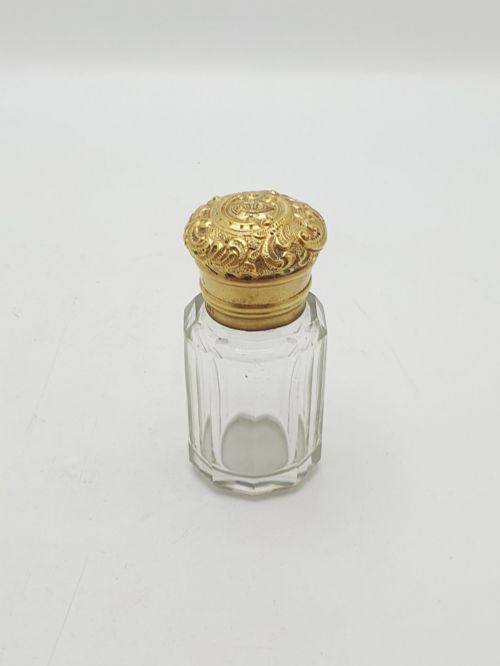
An antique toilet bottle brings functional elegance to a dressing surface, combining cut glass with precious metal mounts.
Antique Toilet Bottle
An antique toilet bottle serves to hold scents, colognes, and cosmetics on a dressing table or within a travel case. These items appear across Victorian, Georgian, Edwardian, and Regency periods as standalone vessels or fitted inside larger wooden boxes.
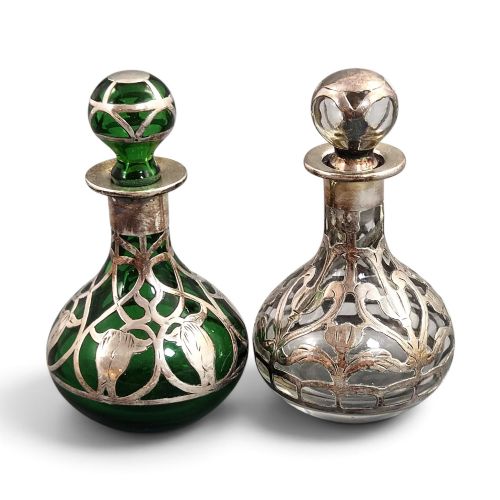
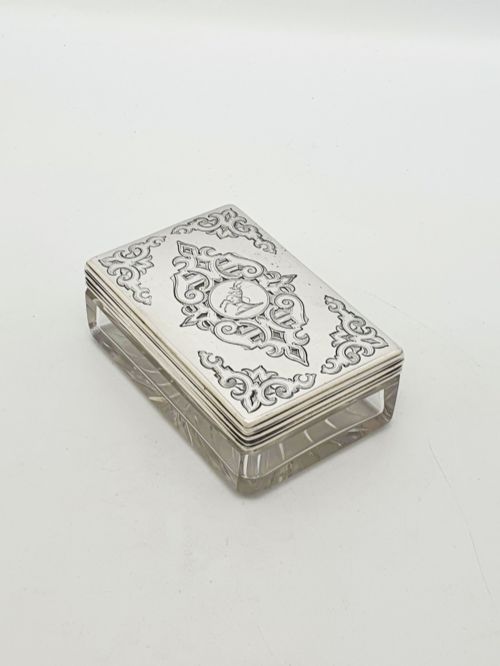
The most common form on this page pairs a cut glass or crystal body with a solid silver, gilt, or brass mount or collar. They range from globular perfume bottles to tall vanity jars and combined dressing sets.
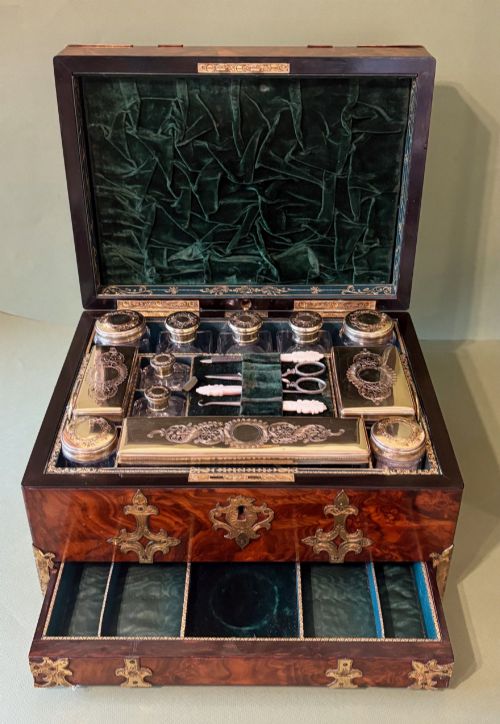
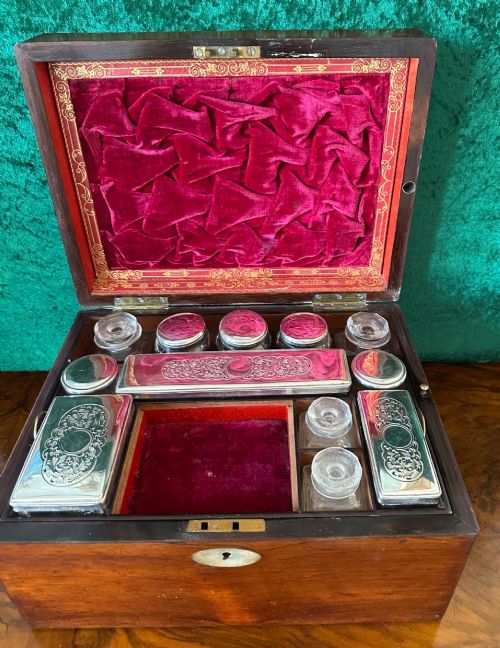
Origins span English workshops from London, Birmingham, and Sheffield alongside French makers. Buyers encounter them as individual scent bottles or as part of elaborate travelling vanity cases lined in velvet.
How they were made
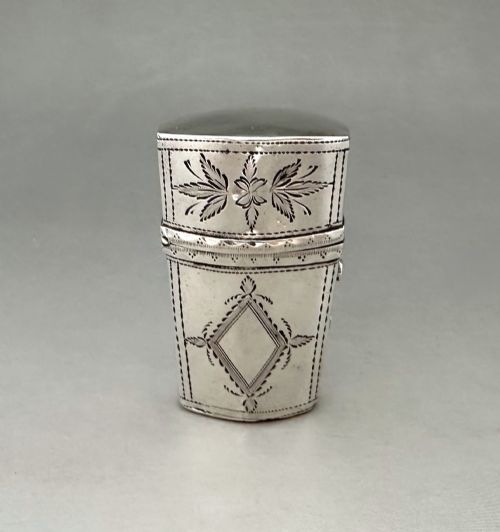
Glass bodies are shaped by cutting, moulding, or blowing, utilising techniques seen in Clichy glass and heavy lead crystal. Metal components, including sterling silver, brass, and gilt mounts, are often hallmarked to record the assay office and year.
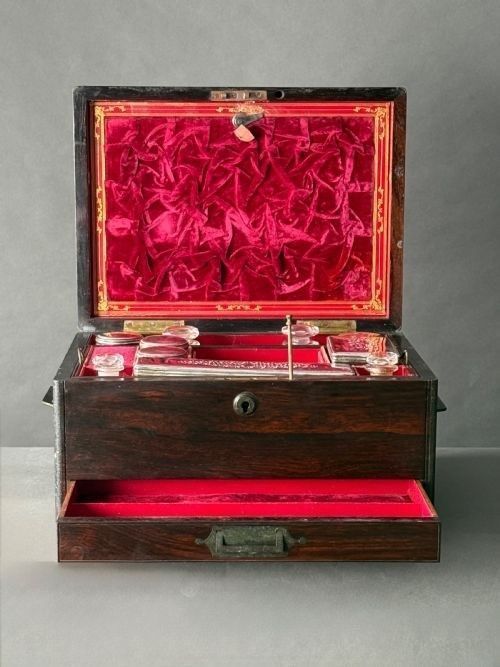
Carriage boxes and vanity cases utilise dense timbers such as rosewood, coromandel wood, walnut, and kingwood. Interiors frequently feature velvet linings, fitted trays, and compartments designed to secure glass bottles during travel.
Antique Toilet Bottle Retail Price Guide 2026
Typical asking prices for toilet bottle among the pieces listed under this phrase on Sellingantiques today, from the lower quarter to the upper quarter. They describe what is for sale here now, not the wider market.
Object forms range from globular perfume bottles and tall vanity jars to complete five-piece dressing table sets and fitted travelling cases.
What varies in quality
The depth and precision of the glass cutting dictate the refractive quality and weight of the bottle. Crisp, sharp facets on heavy crystal elevate a piece above simpler moulded vessels.
Mounts demonstrate quality through the thickness of the silver or gilt used, alongside the crispness of repoussé work or guilloche enamel detailing. Maker marks and clear hallmarks from silversmiths like the Goldsmith's and Silversmith's Co. or Gorham add distinction to the metalwork.
Gorham·Jonathan Douglas·Goldsmith's and Silversmith's Co.
The Antique Toilet Bottle Glossary
- Sterling silver
- A silver alloy containing 92.5 percent pure silver by mass, widely used for bottle caps, collars, and mounts. Hallmarks stamped into the metal indicate the assay year and maker.
- Guilloche enamel
- A decorative technique where precise patterns are mechanically engraved into metal beneath a translucent layer of enamel. This adornment frequently appears on lidded jars.
- Coromandel wood
- A dense, heavily grained timber imported from Asia, prized for luxury nineteenth-century travelling vanity cases and dressing boxes. It provides a dark, contrasting background to internal glass and silver fittings.
- Clichy glass
- Glass produced by the French factory known for coloured and overlay wares used in nineteenth-century dressing table accessories. These pieces often exhibit distinctive hues and decorative gilding.
Antique Toilet Bottle: Frequently Asked Questions
What is an antique toilet bottle used for?
These vessels held perfumes, colognes, and liquids for daily grooming on dressing tables. They functioned both as standalone bottles and as fitted components inside portable travel cases.
Travellers packed them inside velvet-lined wooden boxes to transport personal scents safely. Today, collectors display them on surfaces or use them for modern fragrances.
How do I identify a Victorian scent bottle?
Victorian examples often feature heavy cut glass paired with hallmarked sterling silver mounts. Date letters stamped into the metal reveal the exact year of manufacture.
Stylistic cues include floral repoussé work, gilt accents, and occasional Art Nouveau curves towards the end of the nineteenth century.
What wood is used in vanity cases?
Cabinet makers utilised exotic and durable timbers such as coromandel wood, rosewood, walnut, and kingwood. These woods protected the glass bottles and silver jars housed inside.
Fitted interiors often included velvet or leather compartments designed to secure each glass jar and tray during transport.
Are French and English bottles different?
French pieces frequently incorporate coloured or overlaid glass, such as Clichy glass, alongside gilt metal decorations. English examples tend to emphasise clear cut crystal with hallmarked sterling silver collars.
Both traditions produced matching pairs of perfume bottles and tall vanity jars for elite dressing tables.