




Antique Tobacco Caddy
An antique tobacco caddy is a compact vessel for leaf, plug or snuff, prized for rich timber grains and fine metalwork.
Antique Tobacco Caddy
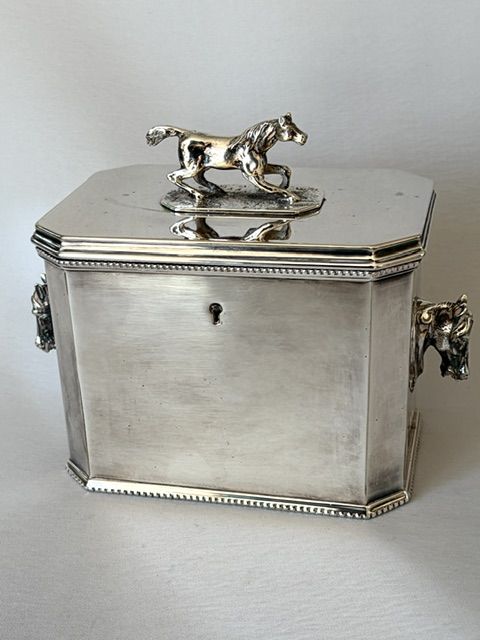
An antique tobacco caddy covers a range of personal and desk containers designed to keep dry leaf, snuff or cigars protected. You will frequently encounter small timber barrels, tabletop boxes and pocket cases made across the Georgian, Victorian and Edwardian periods.
The materials reflect the tastes of past centuries, moving from native hardwoods like oak, walnut, mahogany and yew wood to precious metals such as sterling silver and brass. Many examples combine these elements, pairing polished timber bodies with secure metal hinges and mounts.
Materials and construction
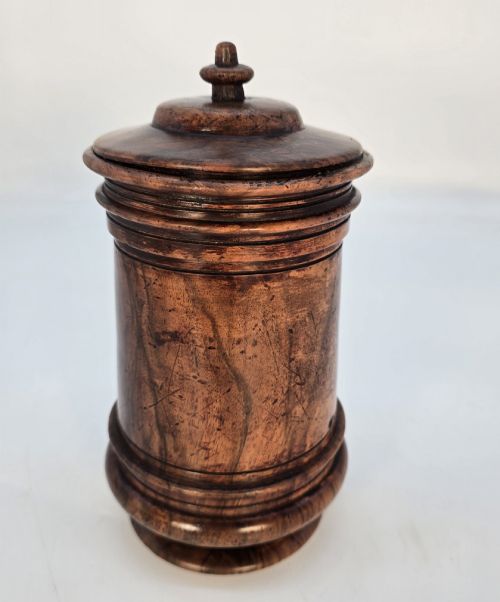
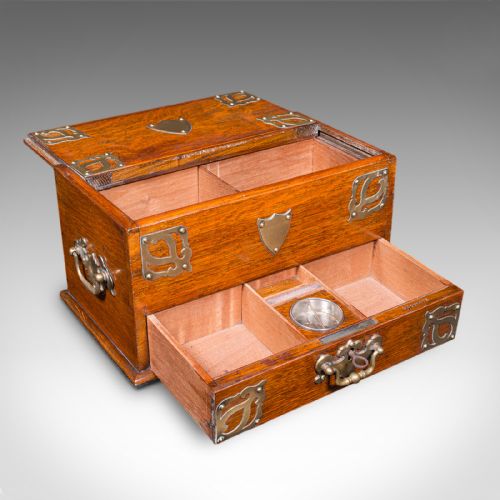
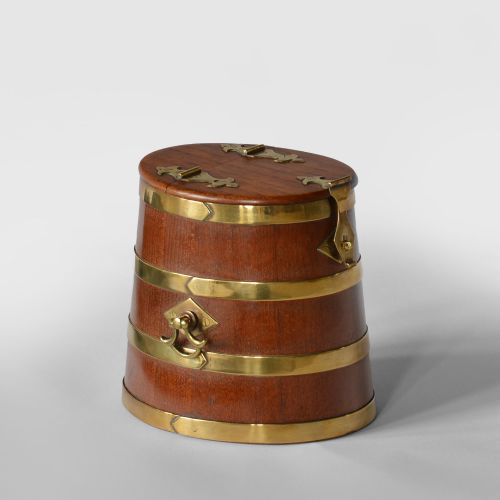
Cabinetmakers utilised traditional timber techniques, shaping solid walnut and mahogany or constructing coopered barrel forms with tight staves and metal bands. These wooden bodies often featured precise joinery and turned details to create tactile containers.
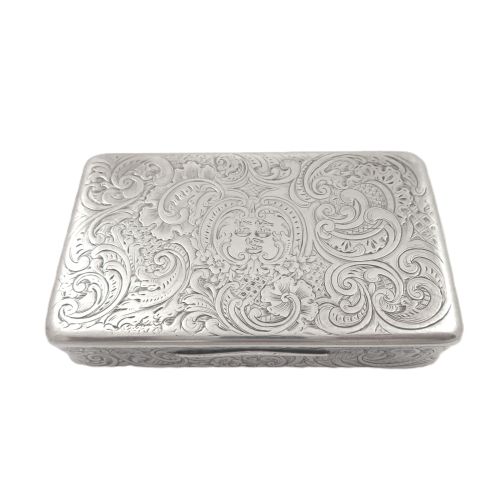
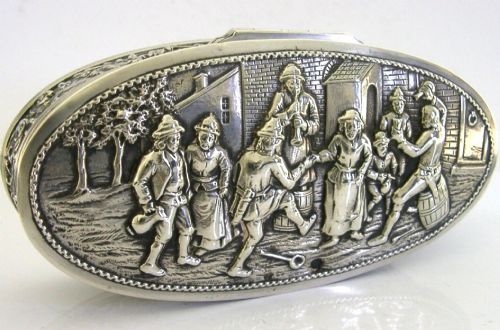
Silversmiths shaped sterling silver and brass into snuff boxes, desk boxes and cigar cases, applying chased floral scrolls, engraving or structural reinforcement. This metalwork provided secure closures alongside decorative contrast to the warm timber tones.
Antique Tobacco Caddy Retail Price Guide 2026
Typical asking prices for tobacco caddy among the pieces listed under this phrase on Sellingantiques today, from the lower quarter to the upper quarter. They describe what is for sale here now, not the wider market.
Factors of quality
Quality rests upon the crispness of the detailing, whether through hand-engraved silver scrolls or the clean execution of coopered wooden staves. Better pieces display harmonious proportions and substantial weight, particularly in solid silver desk boxes and heavy oak humidors.
The integrity of the construction and the retention of original fittings dictate the merit of an example. Fine items maintain their original hinges, liners or internal compartments without structural compromise, showing honest age rather than heavy restoration.
Joseph Wilmore·A & J Zimmerman Ltd·Nathaniel Mills
The Antique Tobacco Caddy Glossary
- Coopered
- Constructed from wooden staves fitted together and bound with hoops, commonly seen in barrel-form vessels and rum casks. This method ensured liquid or dry contents remained secure.
- Humidor
- A lined storage box designed to keep tobacco or cigars at a controlled humidity. These pieces frequently combine oak bodies with interior metal or precious metal fittings.
- Navette
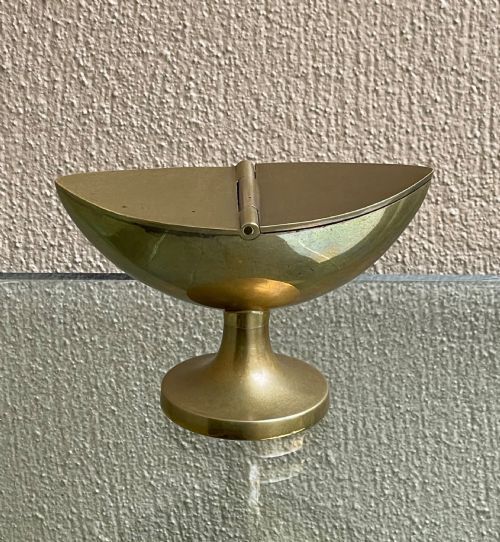
- A boat-shaped decorative form with pointed ends, typical of certain Georgian table snuff boxes. The silhouette offers an elegant, low profile for tabletop use.
- Snuff box
- A small pocket or table container made to hold ground tobacco. Examples range from plain brass to heavy solid silver models with intricate engraving.
- Treen
- Small handmade wooden objects produced before the advent of mass manufacture. These items highlight the natural grain of walnut, yew and other timbers.
Antique Tobacco Caddy: Frequently Asked Questions
How were they used?
These boxes and jars sat upon desks, sideboards or club lounge tables to dispense tobacco, cigars or snuff throughout the day. Pocket-sized versions were carried on the person for convenient access.
Larger humidors and smoker's boxes organised accessories such as matches and cutters alongside the main leaf storage, serving as central smoking requisites.
How do I date a tobacco caddy?
Dating relies upon stylistic markers, construction methods and hallmarks found on silver components. Georgian and Victorian examples exhibit distinct decorative motifs, from navette shapes to chased floral scrolls.
Silver pieces often carry maker's marks and date letters that pinpoint the exact year of assay, while timber pieces are attributed through wood choice and joinery style.
How do I care for wooden caddies?
Wooden caddies require stable indoor humidity away from direct sunlight and heat sources to prevent the timber from warping or splitting. Gentle dusting preserves the polished surface.
Avoid using harsh chemical polishes on antique wood or silver mounts, as natural beeswax applied sparingly maintains the patina over time.