




Antique Tip Top
These antique tip top tables tilt their circular surfaces for storage, offering clever versatility that modern homes still appreciate.
Antique Tip Top
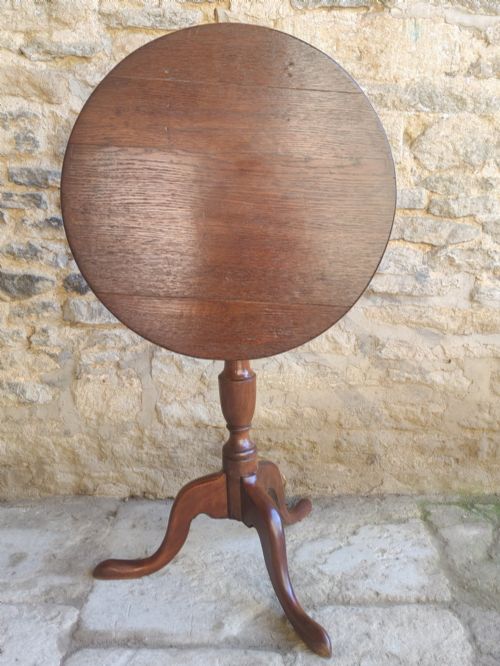
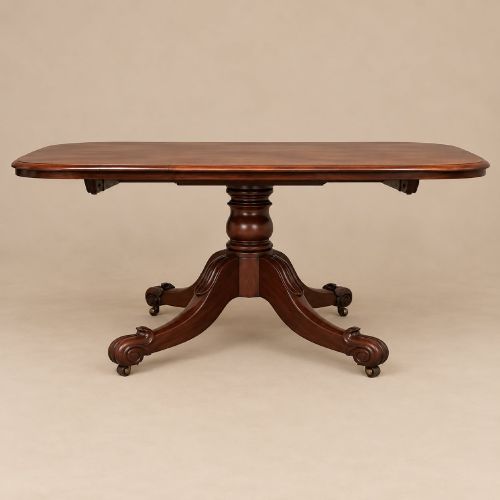
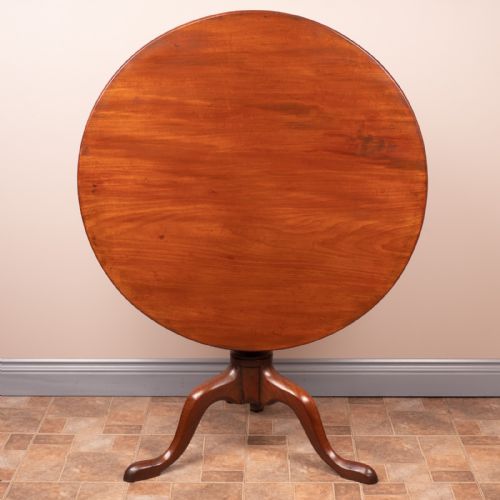
An antique tip top brings together versatile occasional surfaces and tiltable mechanisms designed for compact storage against a wall when not in use. When you search for antique tip top, you encounter tables with circular tops that pivot on a central mechanism supported by pedestal bases.
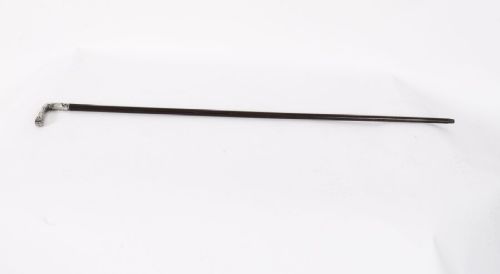
The pieces listed on this page span several distinct periods including Georgian, Regency, Victorian, and the 18th century. Dining tables, wine tables, side tables, and occasional tables appear alongside smaller curiosities like treen candlestands and walking canes.
Mahogany dominates the selection, frequently paired with sophisticated mechanisms such as birdcage actions. Walnut, pine, rosewood, and hardwood also feature, alongside regional variations from France, Italy, and Burma.
Construction and Materials
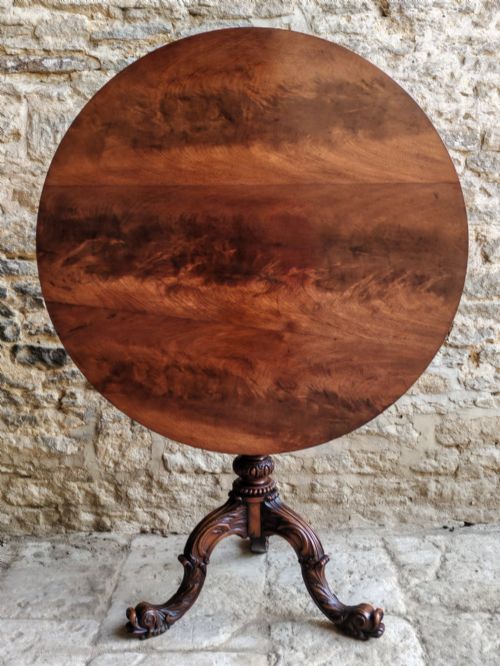
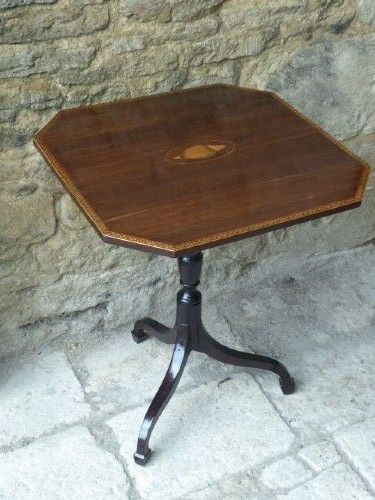
Cabinetmakers utilised dense timbers like mahogany, rosewood, and walnut to ensure the circular surfaces remained stable and true over centuries. Wood inlay and carved details add decorative depth to select pieces.
The tilting action relies on clever joinery, often incorporating a birdcage mechanism that allows the top to both pivot and rotate. Pedestal bases typically branch into tripod legs for steady support.
Antique Tip Top Retail Price Guide 2026
Typical asking prices for tip top among the pieces listed under this phrase on Sellingantiques today, from the lower quarter to the upper quarter. They describe what is for sale here now, not the wider market.
Evaluating Quality
The refinement of the tipping mechanism and the tightness of the birdcage pivot distinguish simpler examples from finer work. Smooth movement without excessive play in the joint indicates superior carpentry.
Timber selection and surface treatment dictate visual merit, with well-figured mahogany and crisp carving elevating a table. Proportion between the circular top and the supporting pedestal also defines a balanced silhouette.
The Antique Tip Top Glossary
- Tip-top table
- A table featuring a hinged surface that tilts into a vertical position when not in use. This design allowed rooms to be cleared quickly in past centuries.
- Birdcage action
- A rotating and pivoting wooden framework beneath the table top. It connects the surface to the central pillar and allows independent turning.
- Pie crust edge
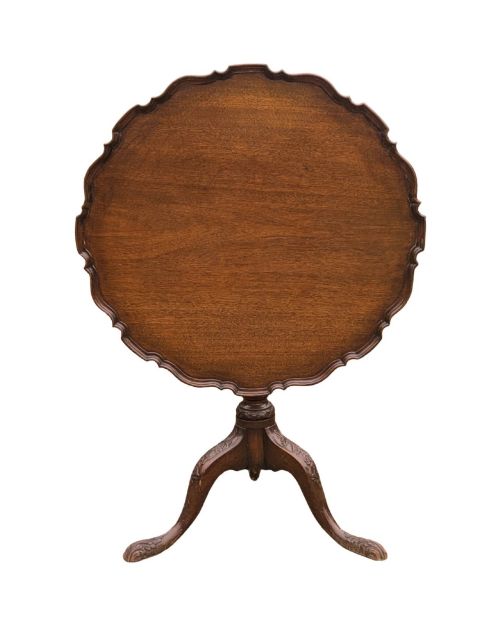
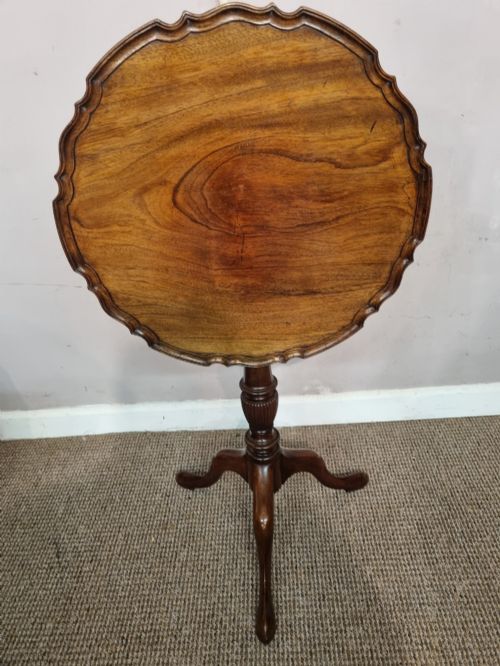
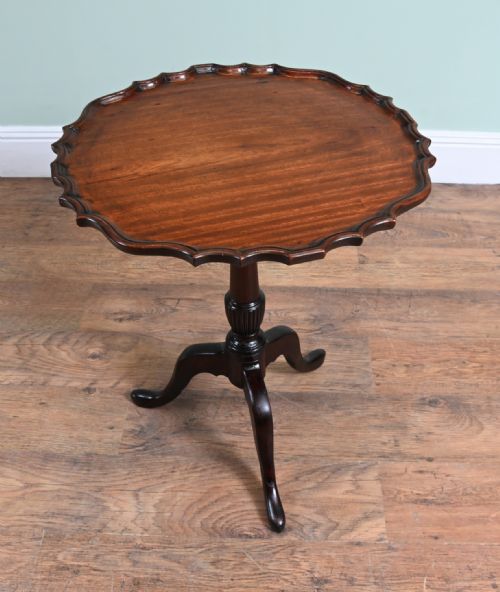
- A raised, carved border shaped with undulating curves resembling pastry work. It prevents items from sliding off the tilted surface.
- Tripod base
- A pedestal support terminating in three legs. This configuration ensures stability on uneven floors.
- Treen
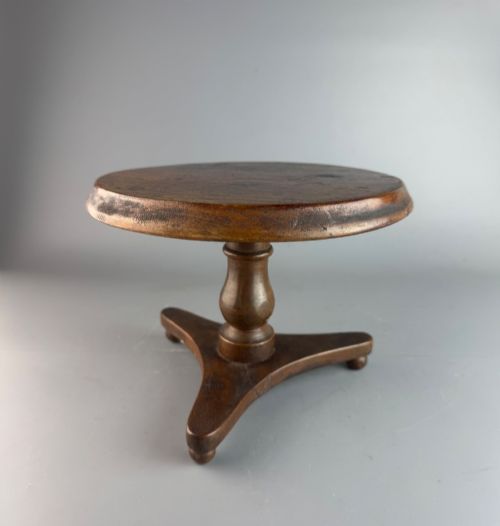
- Small handmade wooden objects produced before the mass era of plastics. Treen items often replicate larger furniture forms in miniature.
Antique Tip Top: Frequently Asked Questions
How does a birdcage mechanism work?
The birdcage is a small wooden framework positioned between the tabletop and the central pillar. It permits the surface to rotate horizontally and tilt vertically.
This clever engineering allowed larger tables to be pushed flat against walls when rooms needed to be cleared.
Where were tip top tables placed?
These versatile tables moved around the house according to daily needs, functioning as dining surfaces, tea tables, or bedside stands. Their tilting function made them practical for smaller parlours and sitting rooms.
When tilted upright, they occupied minimal floor space against a wall or in a corner.
How do I identify a Georgian tip top table?
Georgian examples frequently showcase rich mahogany timber, birdcage mechanisms, and tripod pedestal bases. Finer pieces may include carved pie crust edges on the circular top.
Construction details like hand-cut joints and period specific timber patination help separate 18th-century pieces from later revivals.