


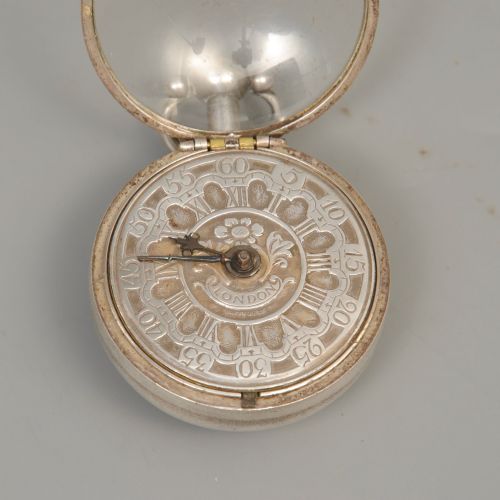

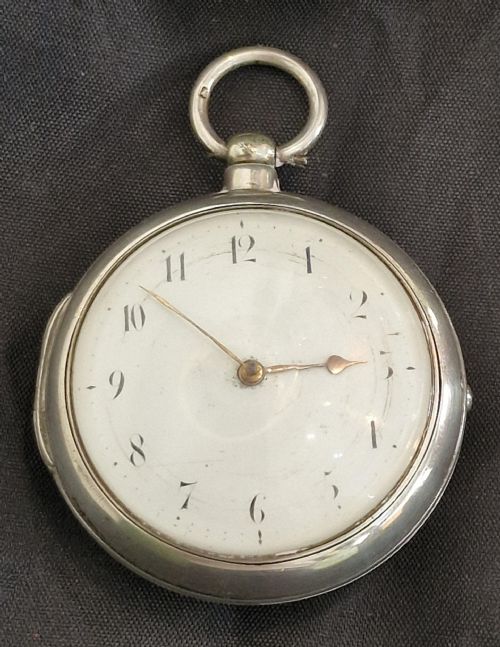
Antique Timepiece London
An antique timepiece london brings centuries of precise British craftsmanship into a room, offering both decorative presence and working history.
Antique Timepiece London
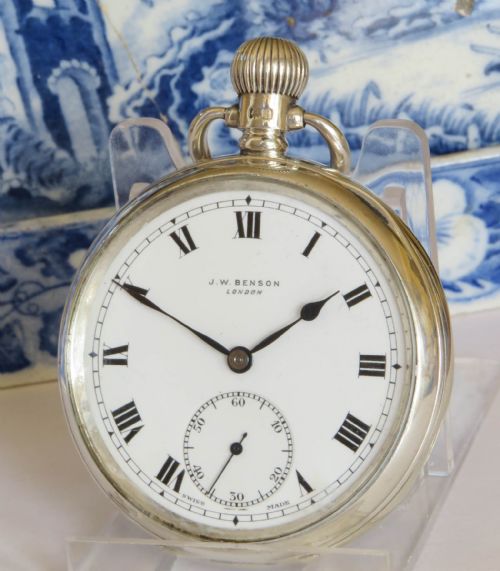
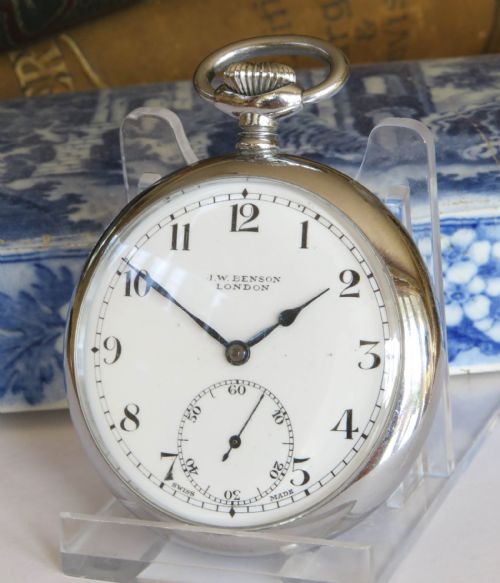
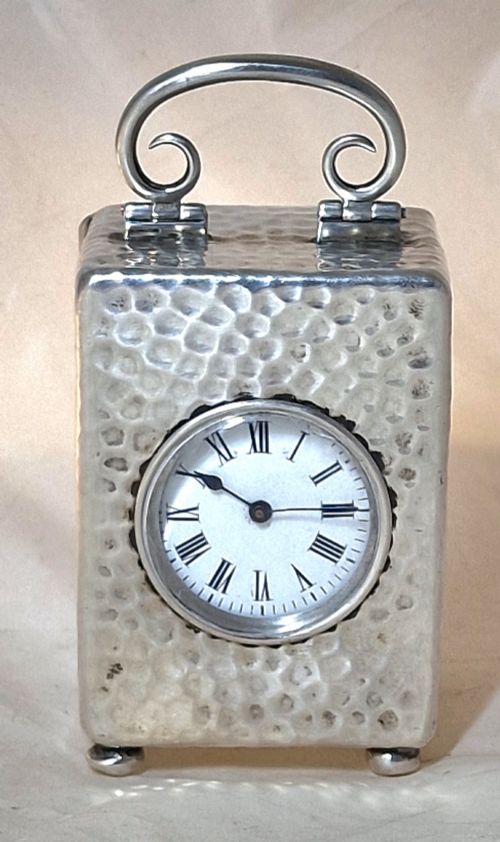
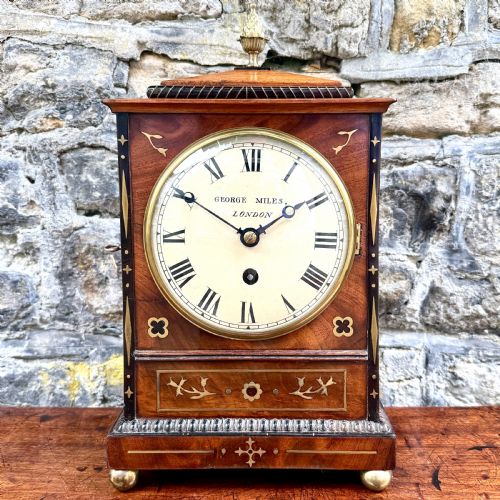
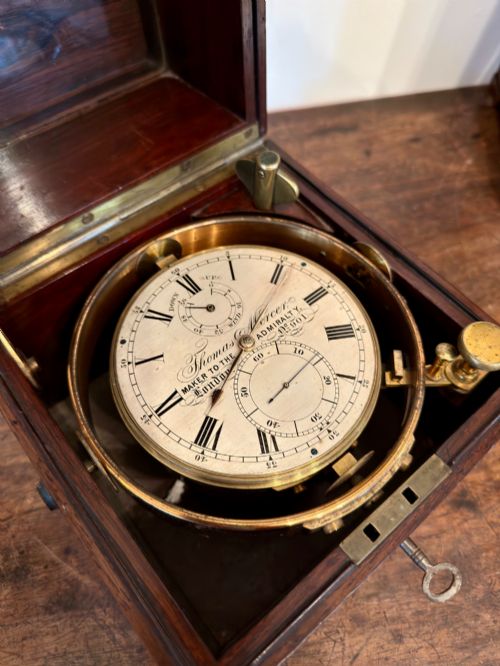
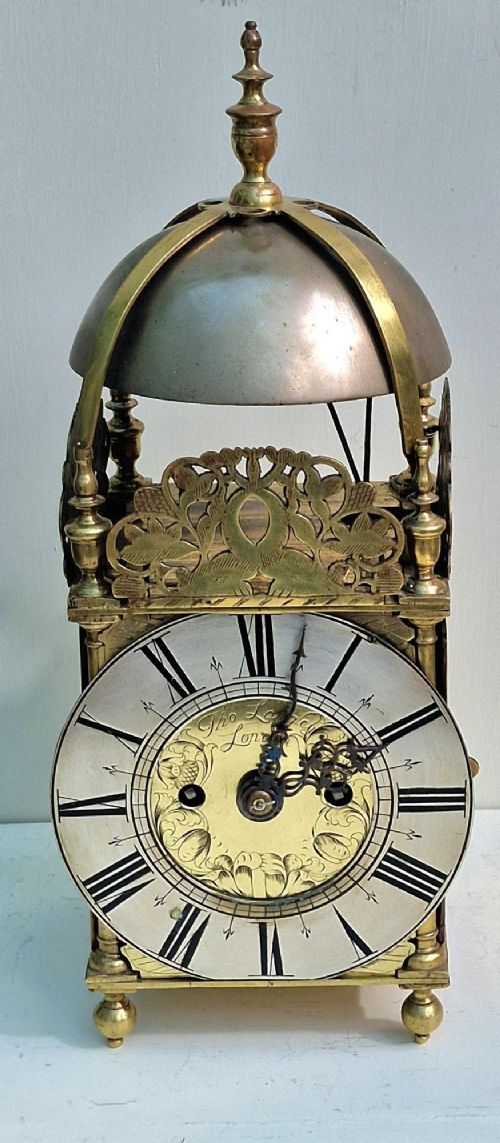
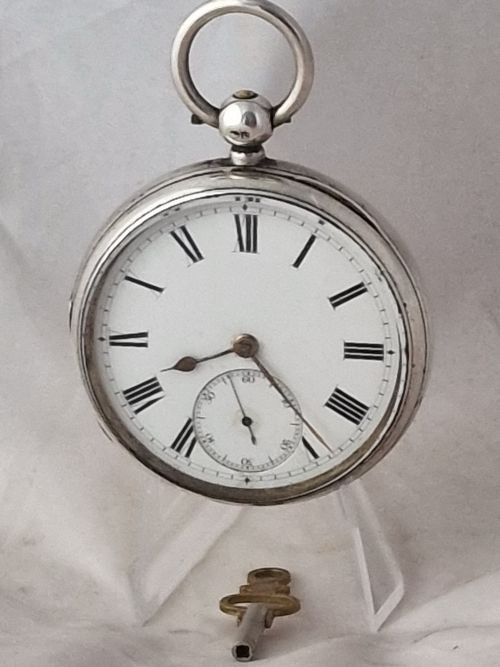
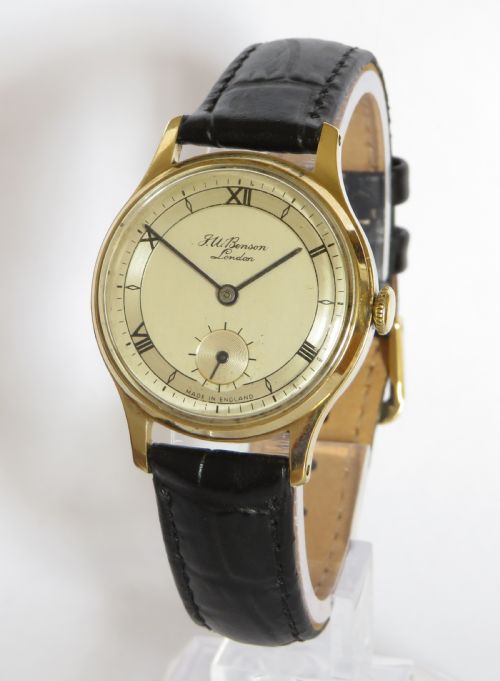
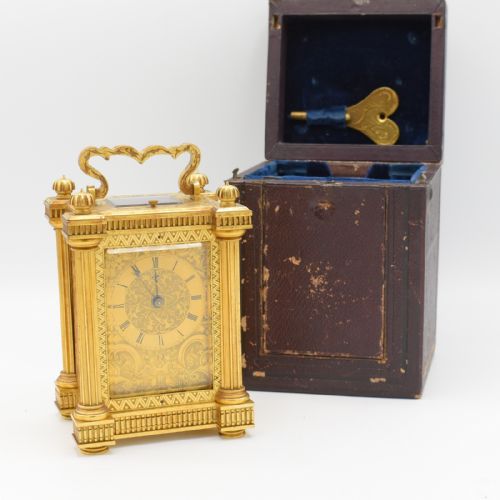
When you search for an antique timepiece london, you encounter a diverse range of horological instruments spanning several centuries of urban production. These objects include domestic mantle and library clocks, wall-hung dial pieces, marine chronometers, carriage clocks, and personal pocket watches.
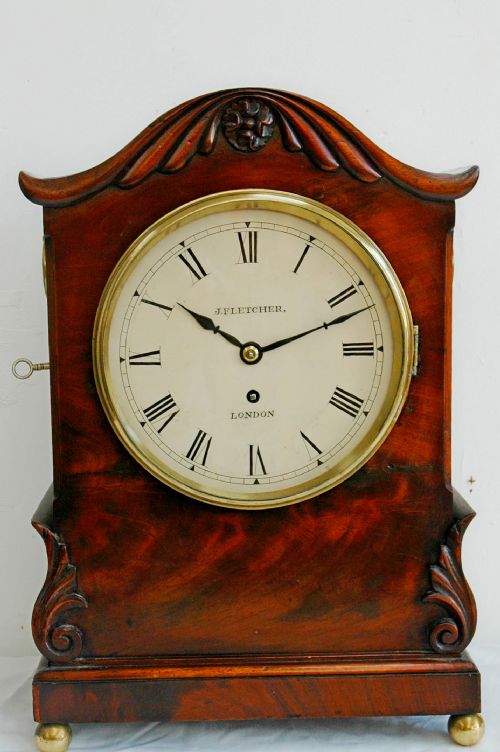
The selections available on this page lean heavily toward nineteenth-century domestic pieces alongside notable seventeenth and eighteenth-century examples. Mahogany library clocks, brass carriage clocks, and fusee wall clocks dominate the physical forms you meet here.
Makers and retailers based in the capital stamped their identities onto dials and movements, establishing a lineage of London craftsmanship that persists in these surviving objects.
How they were made
Horologists utilised durable hardwoods such as mahogany and ebony for sturdy table and bracket clock cases, often pairing timber with brass bezels and silver-mounted details. Dial faces frequently incorporated enamel, convex wood, or champlevé work to ensure legibility and visual depth.
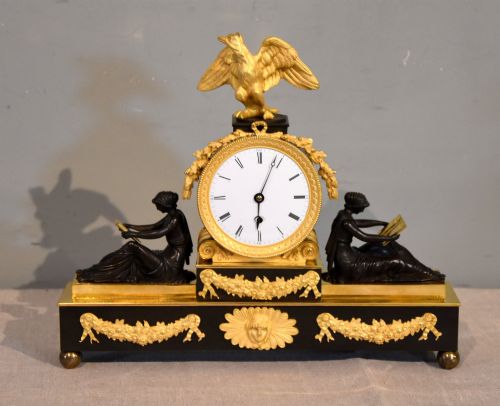
Movements relied on complex mechanical engineering, utilising fusee chains, verge escapements, and eight-day gear systems to maintain accurate timekeeping. Gilt bronze, ormolu, iron, and chrome-plated metals further reinforced internal frameworks and exterior mountings across different periods.
Antique Timepiece London Retail Price Guide 2026
Typical asking prices for timepiece london among the pieces listed under this phrase on Sellingantiques today, from the lower quarter to the upper quarter. They describe what is for sale here now, not the wider market.
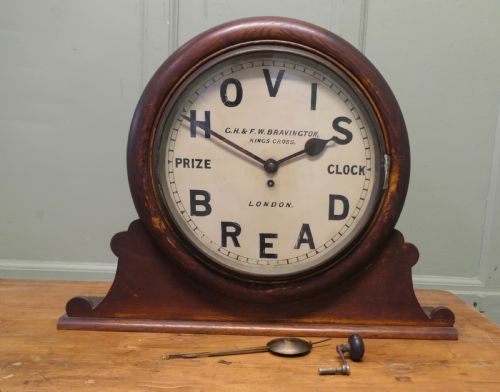
Timepieces bearing railway and aviation issue numbers prove that even clocks occasionally needed to catch a train or fly a biplane.
What varies in quality
The calibre of a London timepiece rests upon the crispness of movement engraving, the fidelity of the dial signature, and the integrity of the original case timber. Master horologists demonstrated superior gear cutting and finishing that distinguish workshop standards across eras.
Material selection and decorative restraint dictate the upper tier of the range, where fire-gilt bronze mounts, unblemished enamel dials, and uncompromised fusee chains evidence superior patronage and production.
Thomas Langley London·Baetens London·Pickford of London·Webster Cornhill London·J W Benson·Viner London·John Pepys London·Dent of London·Phillips Brothers·Grimaldi and Johnson·John Wilson London·Elliott Brothers London
The Antique Timepiece London Glossary
- Fusee
- A conical pulley used in clock and watch movements to equalise the declining power of the mainspring as it unwinds. This mechanism ensures consistent torque and steady timekeeping throughout the winding cycle.
- Carriage clock
- A small, spring-driven clock designed for travelling during the nineteenth century. These pieces usually feature brass frames inset with glass panels and often include a carrying handle.
- Pair cased
- A pocket watch design employing two separate cases, where an inner case holds the movement and fits snugly inside a protective outer case. This style is frequently observed in eighteenth-century silver pocket watches.
- Half hunter
- A pocket watch featuring a case with a glass or open centre panel on the front cover, allowing the user to view the hands without opening the case.
Antique Timepiece London: Frequently Asked Questions
What is a fusee clock?
A fusee clock uses a conical drum linked to the mainspring by a chain or cord to maintain even power delivery as the spring relaxes. This clever mechanical arrangement ensures the movement keeps accurate time right up until the moment it requires rewinding.
Such systems were standard in better-quality British timepieces, particularly throughout the eighteenth and nineteenth centuries, and remain a hallmark of traditional London watch and clockmaking craftsmanship.
Where were London pocket watches made?
London pocket watches emerged from specialised urban workshops and trading houses located across the capital, from Cornhill to the Strand. Master horologists and retailers oversaw the assembly of movements, dials, and silver or gold cases within these active commercial districts.
Many pieces bear the specific name of the maker or retailer engraved directly on the dial or movement backplate, anchoring their production firmly to the city.
How do I identify a Victorian clock?
Victorian clocks often display robust proportions, heavy mahogany or brass cases, and distinct stylistic revivals influenced by the nineteenth century. The integration of mechanical improvements like chain fusee movements alongside clear dial signatures helps point toward this expansive era.
Examining the internal components and case construction reveals the transition from earlier Georgian restraint to the more ornate tastes of the later nineteenth century.