
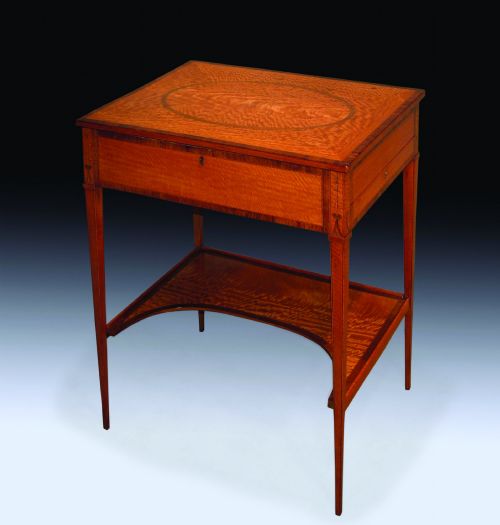
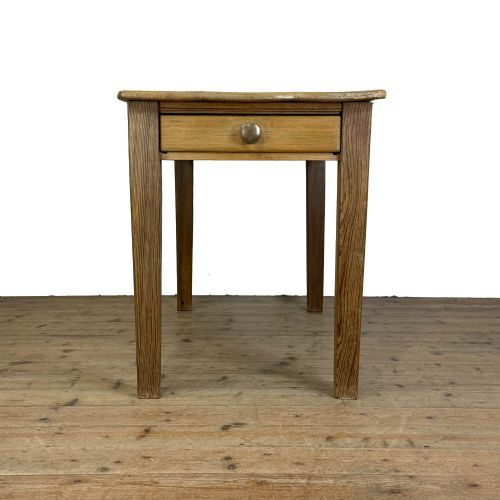
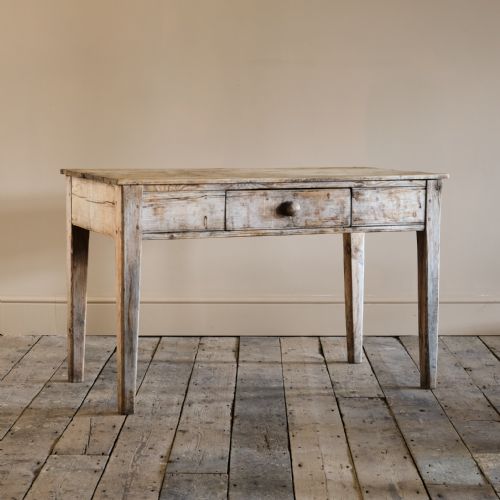


Antique Timber Work Desk
An antique timber work desk is a utilitarian workspace built for daily graft, ranging from industrial pine benches to elegant satinwood tables.
Antique Timber Work Desk
When you search for an antique timber work desk, you encounter heavy utilitarian benches alongside lighter occasional tables that served multiple domestic and trade functions.
The pieces listed here span the eighteenth, nineteenth, and early twentieth centuries, reflecting diverse origins from English workshops to French provincial makers.
You are most likely to meet pine and oak examples featuring trestle supports or simple four-legged frames designed for practical utility rather than mere display.
How they were made
Construction relies heavily on sturdy timbers such as pine, oak, and mahogany, chosen for strength and endurance in daily use.
Hardware details incorporate brass and cast iron fittings, providing structural reinforcement and functional mechanics for drawers or folding trestles.
One listed watchmakers table from eighteen-eighty reminds us how tiny gears once required very steady timber.
What varies in quality
The distinction between standard utility pieces and finer examples rests upon the selection of timber, such as figuring in satinwood or amboyna compared to plain deal.
Joinery execution and the preservation of original surface patination determine the grade of a piece, separating workshop survivors from later reproductions.
The Antique Timber Work Desk Glossary
- Trestle
- A horizontal beam supported by two pairs of sloping legs, commonly utilised in sturdy work tables and long benches. This form provides maximum legroom beneath the top.
- Satinwood
- A durable hardwood yielding a lustrous, golden-yellow finish that takes a fine polish. It appears frequently on eighteenth-century decorative furniture.
- Scullery table
- A heavy-topped utility table designed for kitchen prep work and washing tasks. These pieces usually feature plain scrubbed timber tops.
- Burr wood
- A growth deformity in timber that creates intricate, swirling grain patterns highly valued for decorative box lids and cabinet panels.
Antique Timber Work Desk: Frequently Asked Questions
What defines a work desk from a table?
A work desk typically incorporates specific functional elements like drawers or heavy trestle bracing designed for trade use.
Many pieces listed simply as tables served identically as writing or workshop surfaces in period settings.
How do I date an antique timber desk?
Dating relies upon examining construction methods, tool marks, and hardware types used within the framing.
Periods range from Georgian and Regency eras through to Victorian and early twentieth-century industrial designs.
Which woods are most common?
Pine and oak appear most frequently as the primary structural timbers for utilitarian and farmhouse pieces.
More formal examples utilise exotic woods like mahogany, satinwood, and coromandel for decorative effect.
Are these desks suitable for daily use?
These practical surfaces were built for heavy trade and domestic tasks, making them robust for modern workspace demands.
Careful placement away from direct heat sources helps preserve the antique timber and original finish.