





Antique Timber Tub
These antique timber tub examples bring honest, weathered utility and rich grain into modern rooms.
Antique Timber Tub
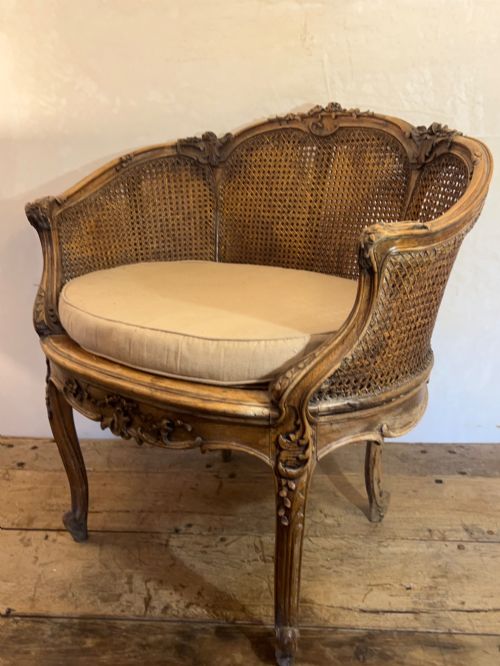
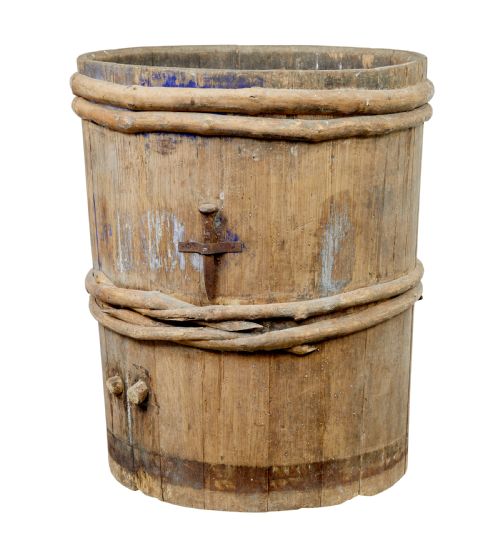
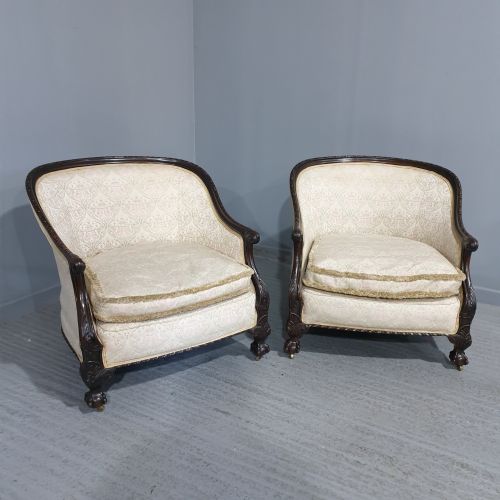
When you search for an antique timber tub, you encounter a robust range of vessels and seating created from solid woods, forged iron, and brass. The selection spans from sturdy nineteenth-century Swedish pine storage barrels to Georgian mahogany wine coolers and oak well buckets.
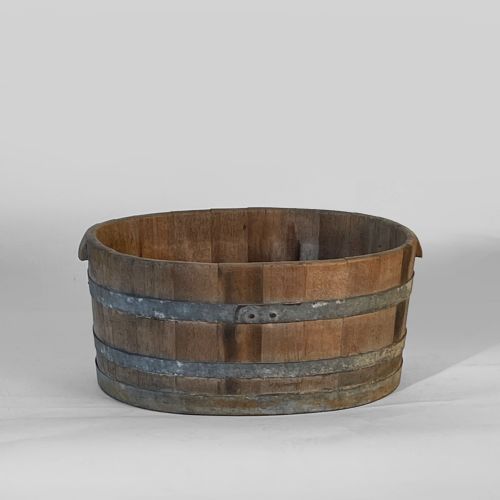
The versions you are most likely to meet on this page include coopered washing tubs, oyster buckets, and deep storage containers. These items bridge practical agricultural or domestic origins and decorative interior use.
Makers shaped these forms for heavy tasks, whether hauling well water, cooling wine, or storing dry goods. Today, buyers repurpose them as planters, fireside logs stores, or statement seating.
How they were made
Craftsmen built these pieces using traditional cooperage techniques, joining curved wooden staves tightly together around a base. They secured these staves with hand-hammered iron bands, brass hoops, or metal strapping to withstand moisture and heavy pressure.
The primary timbers recorded in the evidence are oak, pine, mahogany, and walnut, often paired with rattan cane or textiles on related seating. Woodworkers selected these hard and soft woods for their density and resistance to warping in damp conditions.
Antique Timber Tub Retail Price Guide 2026
Typical asking prices for timber tub among the pieces listed under this phrase on Sellingantiques today, from the lower quarter to the upper quarter. They describe what is for sale here now, not the wider market.
One nineteenth-century butler clearly had priorities straight, using his coopered tub for washing laundry or gathering oysters.
What varies in quality
Quality rests primarily in the integrity of the original construction and the survival of the timber's surface patination. Pieces that retain their honest iron or brass bands without extensive replacement parts stand at the upper end of the scale.
The refinement of the joinery and timber selection also distinguishes standard utility items from high-status examples. A fine Georgian mahogany wine cooler demonstrates precise cabinetmaking, whereas a rustic nineteenth-century pine barrel displays straightforward, utilitarian carpentry.
The Antique Timber Tub Glossary
- Coopered
- Constructed from curved wooden staves fitted together to form a watertight or sturdy hollow vessel. This method defines traditional bucket and barrel making.
- Stave
- One of the narrow vertical strips of wood that form the sides of a tub or barrel. Tight fitting joints between staves keep the vessel structurally sound.
- Chippendale
- A mid-Georgian style of furniture characterised by solid mahogany construction and classical carved details. Pieces from this period reflect high-status domestic design.
- Patina
- The surface sheen and colour developed by wood and metal over decades of handling and exposure. Good patina reveals the genuine age of the timber.
Antique Timber Tub: Frequently Asked Questions
What were antique timber tubs used for originally?
These vessels served demanding practical roles in domestic and agricultural life, including washing laundry, holding well water, and chilling wine at the table.
Over time, exposure to moisture and heavy contents seasoned the wood, creating the characteristic worn surfaces collectors value today.
How do I care for an antique wooden tub?
Keep wooden vessels away from direct heat sources and sudden temperature shifts to prevent the staves from shrinking and cracking.
Apply a neutral wax occasionally to nourish the dry timber without altering the historic surface finish or metal bands.
Can I use an antique timber tub outdoors?
While many pieces originated outdoors or in damp utility spaces, surviving historic examples benefit from sheltered placement.
Using a modern liner inside protects the antique timber from continuous soil moisture if the vessel serves as a planter.
How do I distinguish Georgian tubs from nineteenth century pieces?
Georgian examples often utilise refined timbers like mahogany and exhibit formal decorative styles such as Chippendale or classical cooler designs.
Nineteenth-century items more commonly feature utilitarian pine or oak construction with rustic Scandinavian or British country origins.