






Antique Timber Tea Table
An antique timber tea table offers a solid wooden surface rooted in centuries of social dining and formal entertaining.
Antique Timber Tea Table
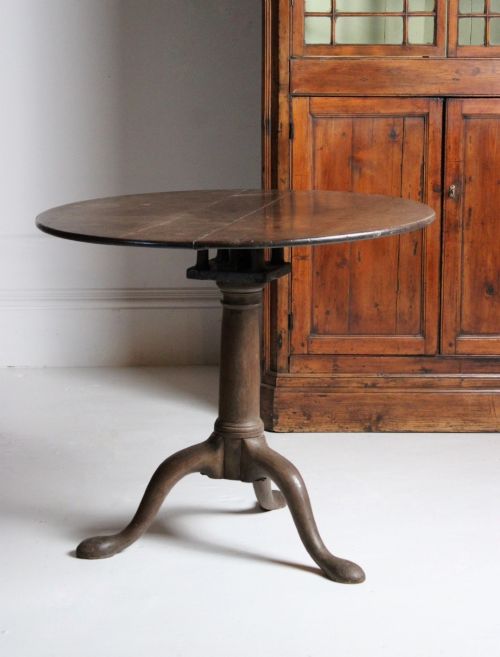
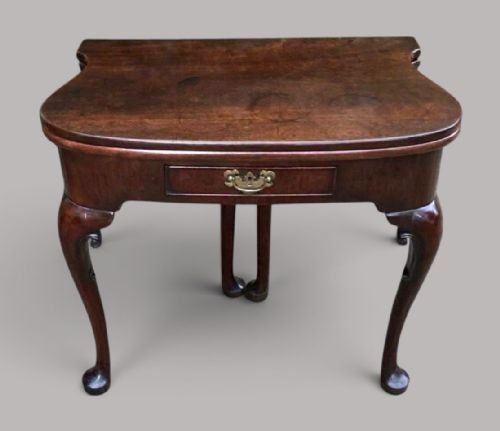
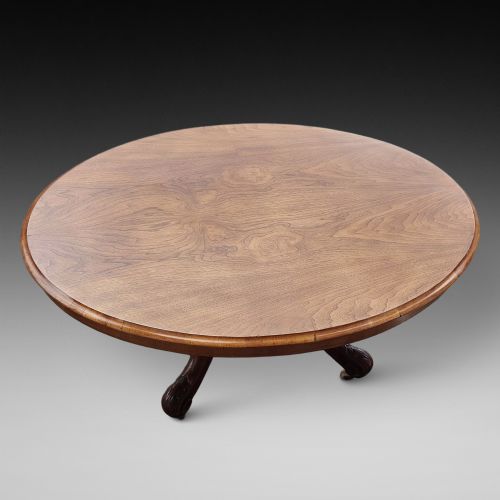
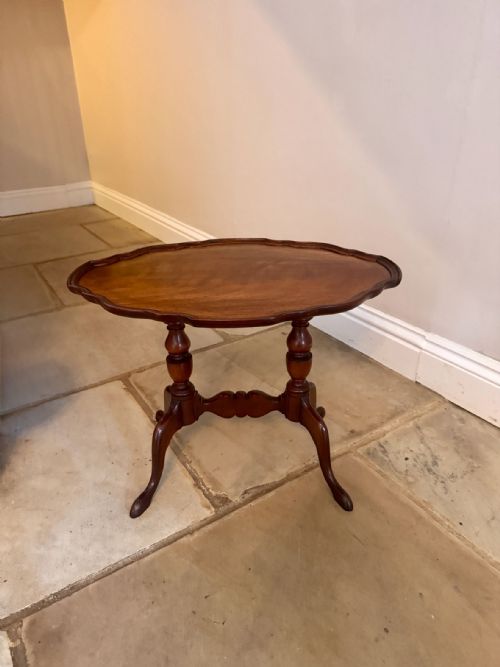
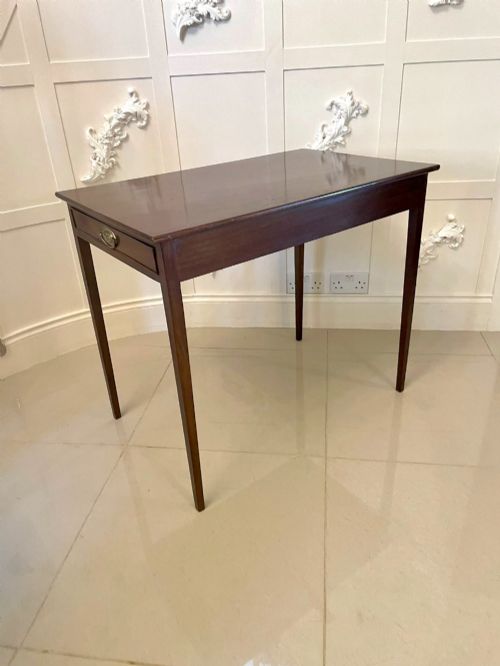
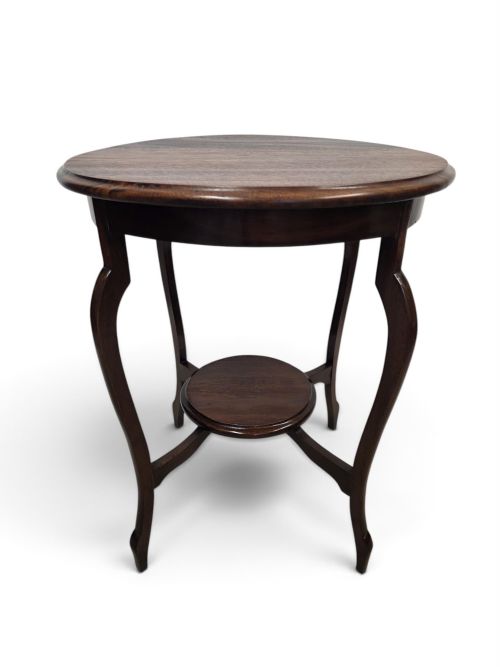
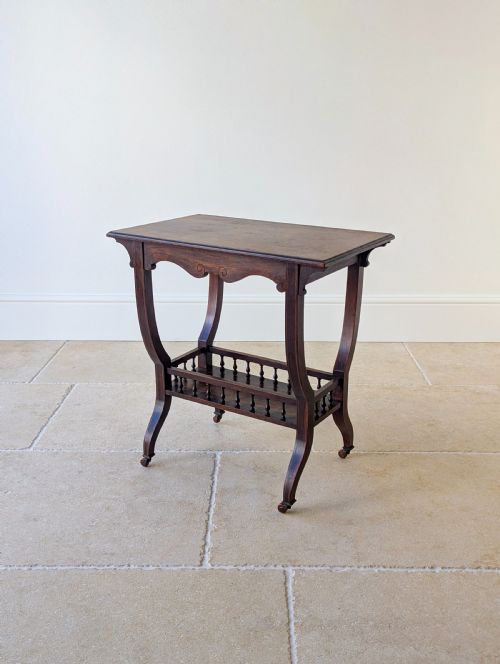
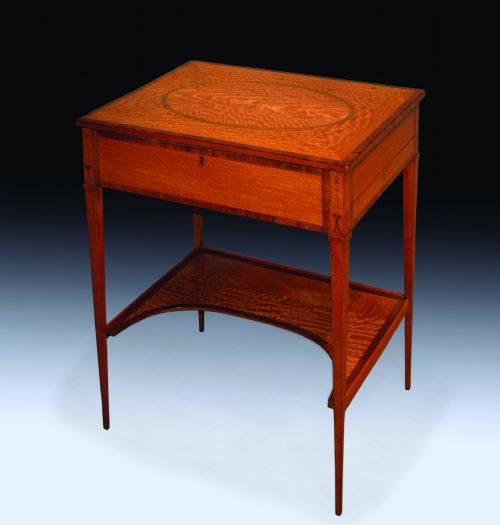
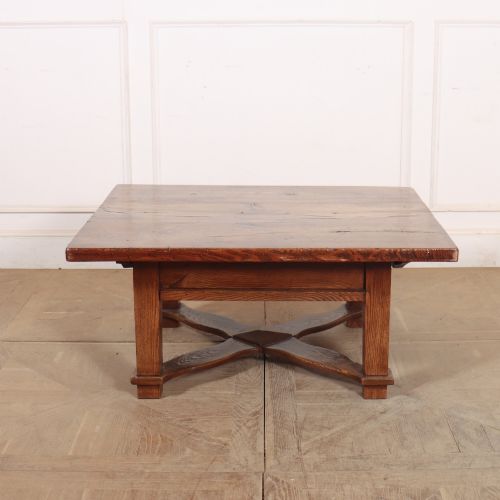
An antique timber tea table brings historical utility into modern rooms through varied forms like tilt-top designs, fold-over card tables, and low serving surfaces. Buyers seeking an antique timber tea table will encounter pieces spanning the eighteenth, nineteenth, and early twentieth centuries, reflecting changing domestic habits.
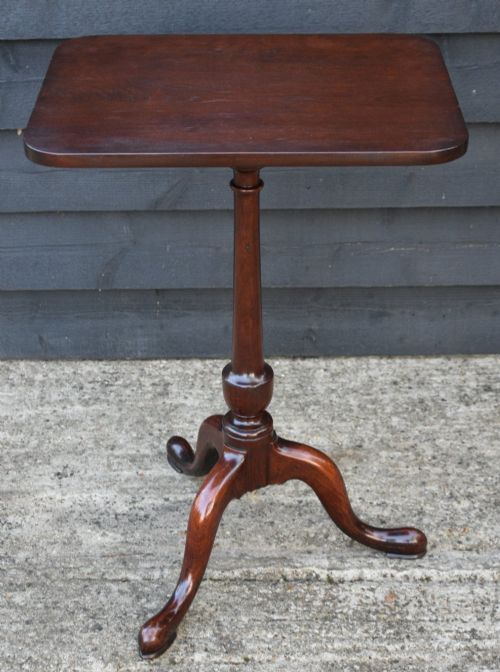
The selection here draws heavily on British periods such as George III and Victorian eras, alongside regional variations from India, China, and continental Europe. Common manifestations include tripod bases, occasional tables, and drop-leaf formats executed in diverse regional timbers.
Materials and construction methods
Cabinetmakers utilised dense hardwoods like mahogany, rosewood, and walnut for formal pieces, often employing figured veneers and intricate bone inlay. Secondary structural elements frequently relied on accessible native timbers such as elm, ash, cherry, and sycamore.
Joinery techniques ranged from traditional mortise and tenon frames to stable tripod mechanisms and tilting pivot tops. Surfaces received hand-applied polishes, wax finishes, or occasional painted treatments depending on the regional workshop and period.
Antique Timber Tea Table Retail Price Guide 2026
Typical asking prices for timber tea table among the pieces listed under this phrase on Sellingantiques today, from the lower quarter to the upper quarter. They describe what is for sale here now, not the wider market.
Geographic origins span British workshops alongside Chinese, Indian, and continental European traditions.
Assessing craftsmanship and execution
The distinction between standard utility items and exceptional examples lies in the selection of timber and the precision of the joinery. Figured grains, balanced proportions, and well-executed carving or inlay elevate a piece above straightforward provincial work.
Structural integrity depends on how well moving parts, such as drop leaves and tilt-top pivots, have survived decades of use. Refined turning on tripod legs and crisp moulding profiles indicate a higher standard of original workshop production.
The Antique Timber Tea Table Glossary
- Tilt-top table
- A table featuring a mechanism that allows the wooden top to pivot vertically for convenient storage against a wall when not in use.
- Tripod base
- A central pillar support resting on three spreading legs, commonly found on eighteenth and nineteenth-century occasional tables.
- Tea poy
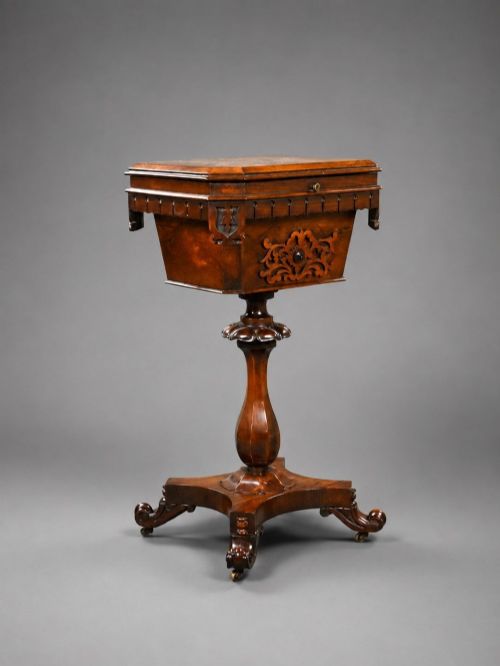
- A small cabinet or box traditionally used for storing loose tea leaves, often elevated on a pillar and base.
- Drop-leaf table
- A surface fitted with hinged flaps on one or both sides that fold down to reduce the overall footprint.
- Satinwood
- A durable, yellowish timber prized for its smooth grain and used extensively for decorative veneers during the Georgian and Edwardian periods.
Antique Timber Tea Table: Frequently Asked Questions
What is an antique timber tea table?
These tables are historical wooden furnishings originally designed to hold tea service equipment, social games, or decorative ornaments in domestic reception rooms.
Over generations, their practical uses evolved, and today they function as versatile coffee tables, bedside surfaces, or display pieces in contemporary homes.
How do I style a tea table?
Integrating these tables into modern interiors works best by treating them as focal points that balance surrounding seating and lighting.
Keep surface styling minimal to highlight the natural timber grain, inlay work, or historical turning.
How do I tell different periods apart?
Identifying the age of a wooden table involves examining the timber species, structural hardware, and stylistic motifs associated with reigns like George III or Queen Victoria.
Heavier carved ornament often points towards Victorian or Anglo-Indian origins, whereas cleaner classical lines frequently align with eighteenth-century Georgian production.
How should I care for antique timber?
Preserving historical wood requires stable indoor humidity levels and protection from direct sunlight to prevent timber splitting or fading.
Regular application of suitable natural waxes maintains the finish without sealing moisture into the historical surface.