



Antique Timber Shield
An antique timber shield brings heraldic presence and tactile wood grain into a room.
Antique Timber Shield
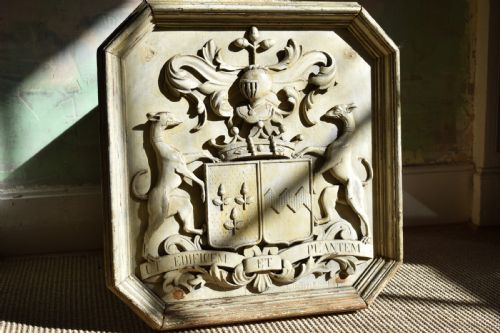
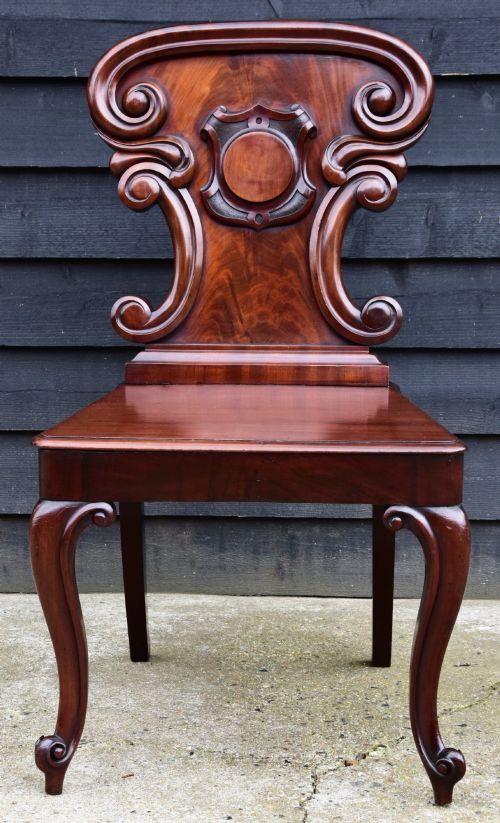
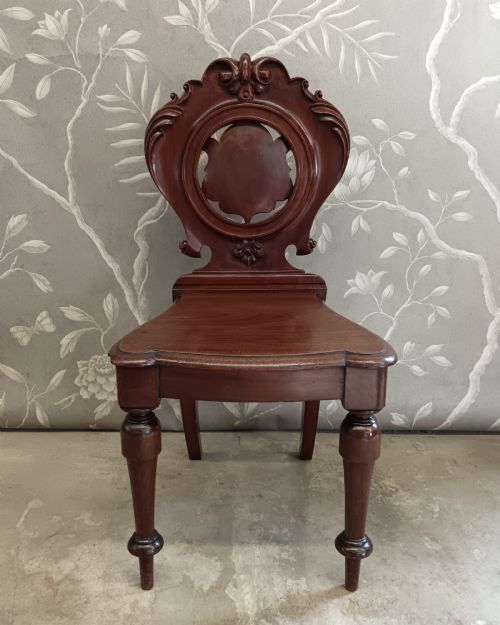
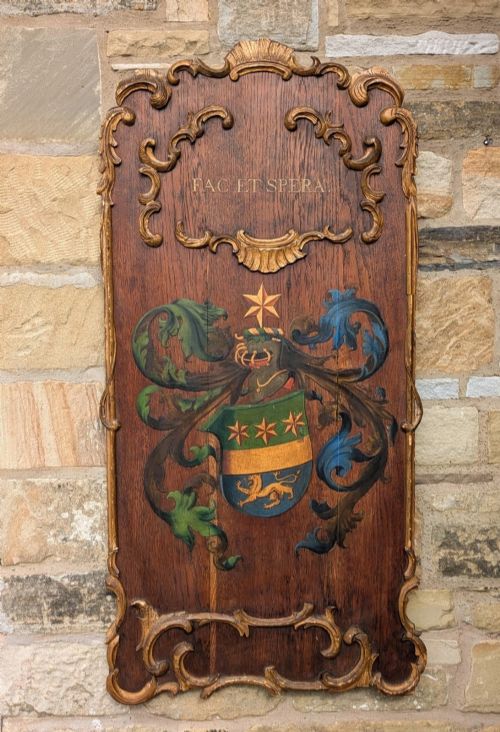
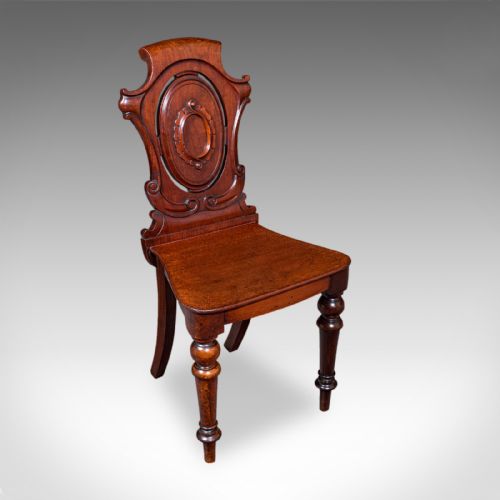
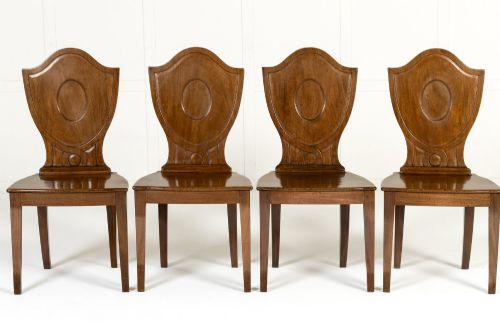
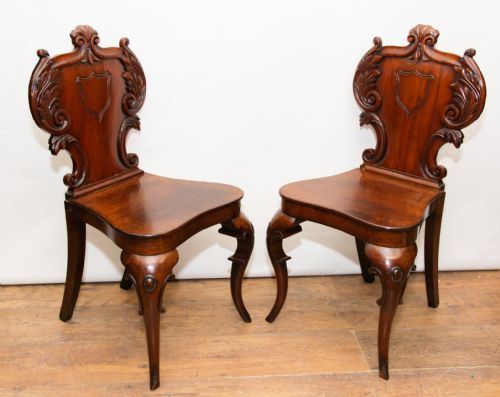
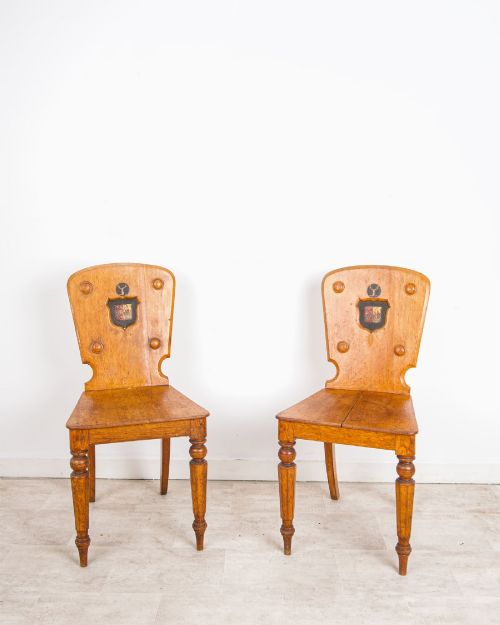
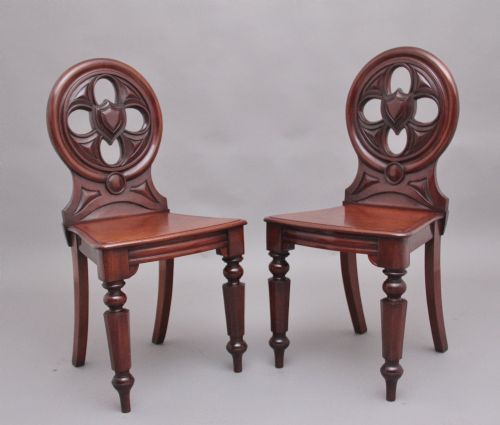
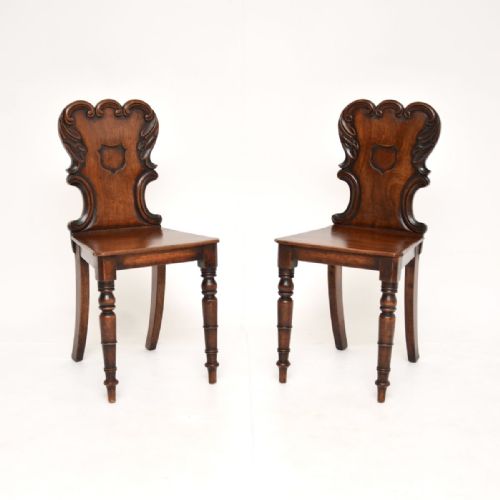
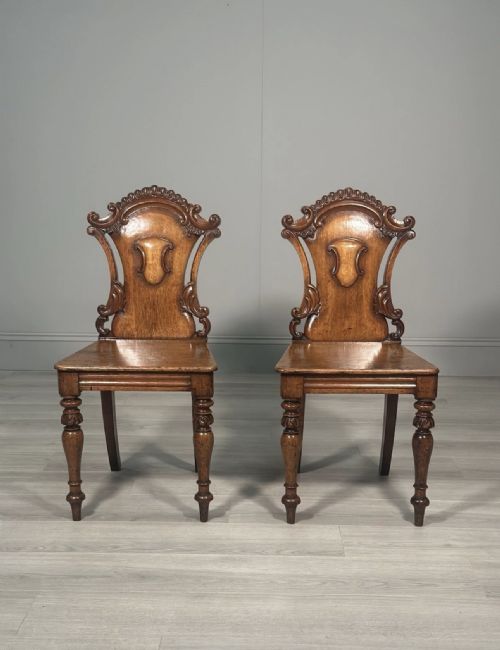
An antique timber shield most commonly appears on this page as the carved back of a hall chair, or as a distinct wall plaque, heraldic panel, or decorative mirror formed in the shape of a shield. These pieces span from the Georgian period through the Victorian era, utilising rich woods like mahogany and oak to display crests, coats of arms, and carved motifs.
Buyers seeking an antique timber shield will find that hall chairs with carved shield backs dominate the selection. These seating pieces often feature painted or carved heraldic devices, incorporating elements such as Prince of Wales feathers or family crests directly into the timber backrest.
Beyond seating, the selection includes decorative wall panels and mirrors constructed to mimic the outline of a heraldic shield. These items bridge the gap between functional furniture and architectural salvage, bringing traditional British Country House character to modern interiors.
Materials and construction methods
Cabinetmakers constructed these pieces primarily using dense timbers such as mahogany, oak, and walnut. Workshops selected these woods for their durability and grain quality, often utilising solid boards to carve intricate shield-shaped backrests and heraldic panels.
Craftsmen applied traditional joinery techniques alongside detailed hand carving and pigment painting. Heraldic shields and coats of arms frequently display polychrome pigments or gilt highlights applied directly to the timber surface or onto applied deer hide.
Antique Timber Shield Retail Price Guide 2026
Typical asking prices for timber shield among the pieces listed under this phrase on Sellingantiques today, from the lower quarter to the upper quarter. They describe what is for sale here now, not the wider market.
Listings feature items spanning the 17th century through the Victorian era, utilising mahogany, oak, walnut, and deer hide.
Judging the quality of construction and finish
The distinction between standard examples and superior pieces rests in the depth and crispness of the hand carving. Finer items exhibit sharply defined heraldic details, balanced proportions, and substantial timber thickness, whereas lesser pieces show softer, shallower relief work.
The selection of the wood grain and the preservation of original painted or gilt surfaces heavily influence the calibre of the piece. Untouched timber surfaces with deep patination indicate superior care and material selection by the original maker.
Peter Spicer & Sons·Edward Pearce·Nanninga Uitterdyke
The Antique Timber Shield Glossary
- Hall chair
- A rigid wooden seat intended for an entrance hall, typically featuring a solid carved back rather than upholstery. These chairs frequently incorporate shield-shaped backrests and heraldic painting.
- Heraldic shield
- A decorative or functional panel shaped like a medieval armour shield displaying armorial bearings or a family crest. They appear on wall panels, mirrors, and chair backs.
- Newel post finial
- A decorative carved ornament placed at the top of a staircase newel post. Examples include figural wood carvings dating to the seventeenth century.
- Gilt
- A thin layer of gold leaf applied to wood or other surfaces to provide decorative highlights. It often accents carved elements on shields and frames.
Antique Timber Shield: Frequently Asked Questions
Where were these shield panels displayed?
These panels were mounted on the walls of country houses and halls as decorative statements of ancestry and allegiance.
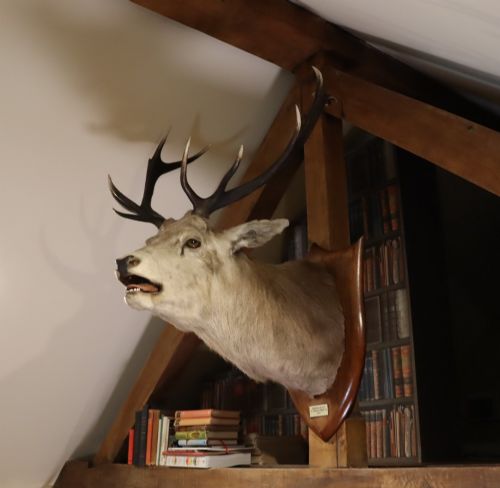
They were often integrated into interior wood panelling or hung independently alongside mirrors and taxidermy displays.
How do I care for antique mahogany and oak?
Maintain antique timber by keeping pieces away from direct heat sources and sudden humidity changes that cause wood to split. Dust regularly with a dry cloth.
Apply a microcrystalline wax occasionally to nourish the timber surface without building up excessive residue.
How can I date a wooden shield?
Dating relies on examining the tool marks, timber species, and stylistic cues such as the presence of Gothic Revival or Regency design elements. Oak points to earlier centuries, while Cuban mahogany frequently suggests Georgian or Victorian eras.
Hardware, construction joints, and the ageing of the surface patina further help confirm the period of manufacture.