
Antique Timber Seats
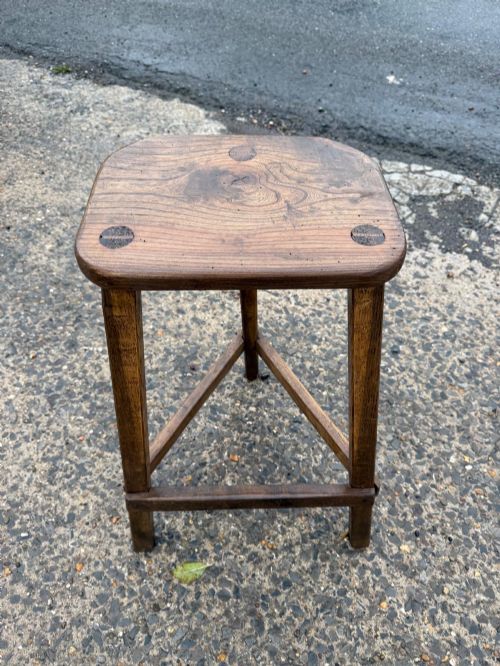
Antique timber seats encompass sturdy oak benches, elm stools and mahogany hall chairs built across the eighteenth and nineteenth centuries.
Antique Timber Seats
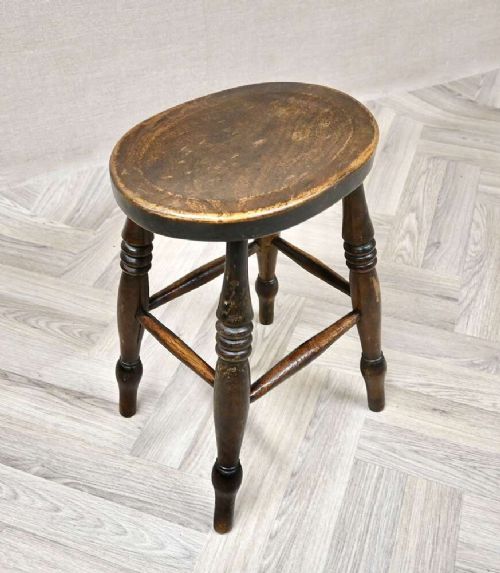
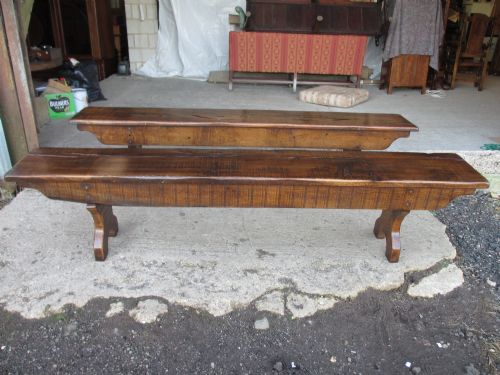
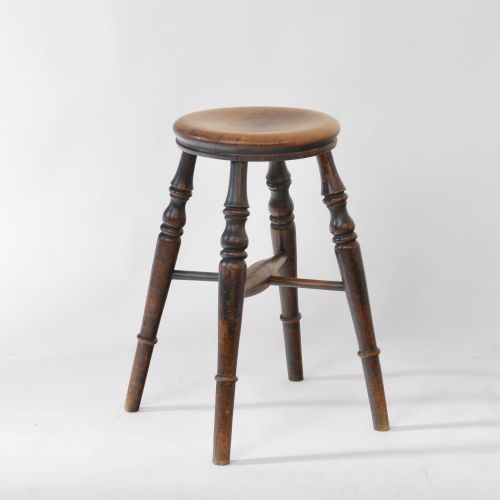
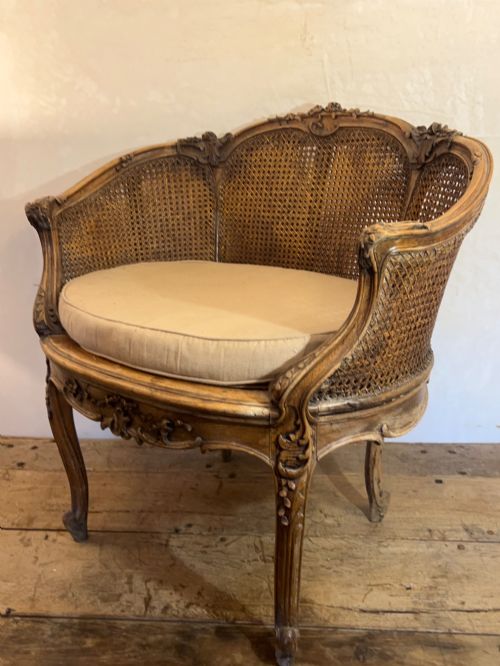
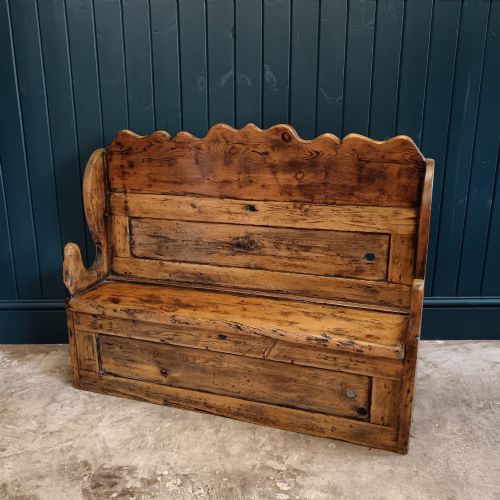
When you search for antique timber seats, you encounter a varied assortment of wooden furniture designed for sitting, ranging from simple tavern stools to large country house settles. The pieces on this page span several centuries, with nineteenth-century examples dominating alongside eighteenth-century items and early twentieth-century additions.
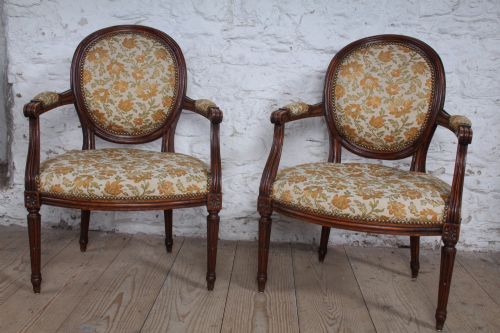
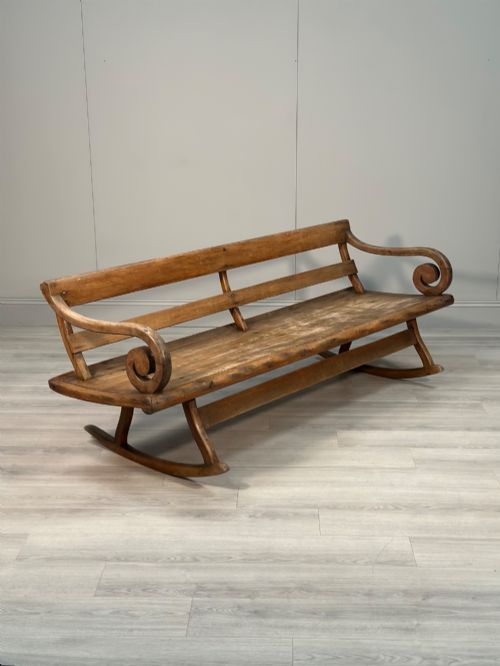
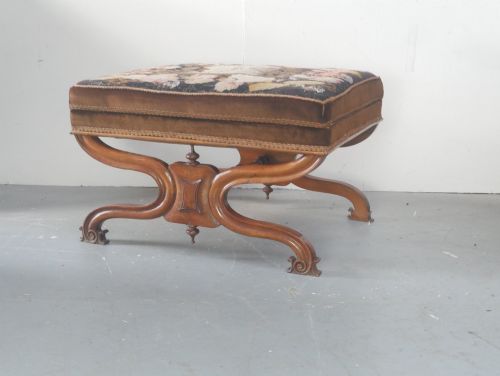
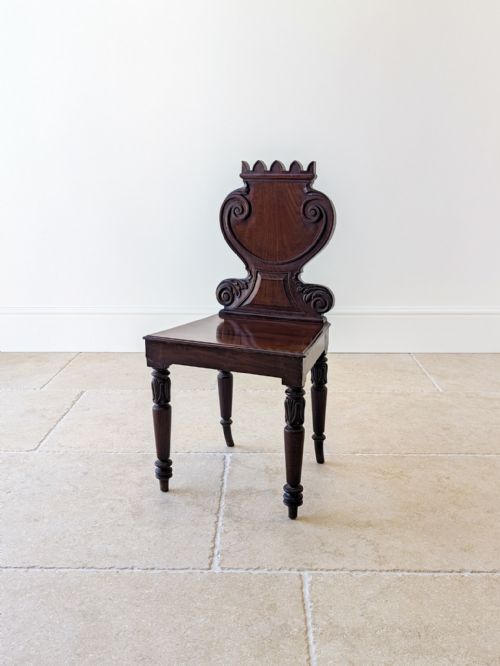
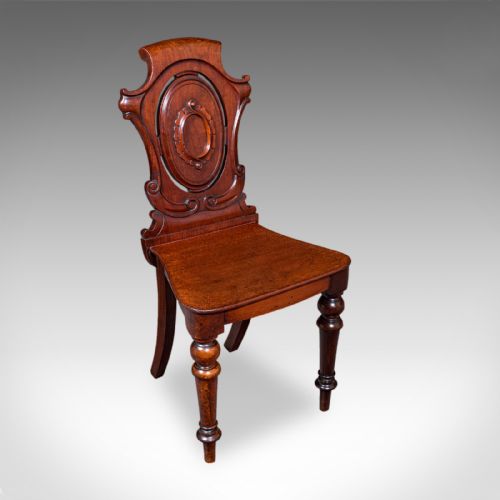
Forms include benches, settles, armchairs, hall chairs, and stools fashioned from woods such as oak, mahogany, elm, pine, and sycamore. Stylistic influences vary from plain vernacular country designs to formal Regency, Victorian, and French provincial iterations.
How they were made
Maker construction relies heavily on native hardwoods like oak, elm, and mahogany, shaped into solid planks, turned legs, and carved supports. Joinery methods such as mortise and tenon secure structural integrity in heavy pieces like oak settles and benches.
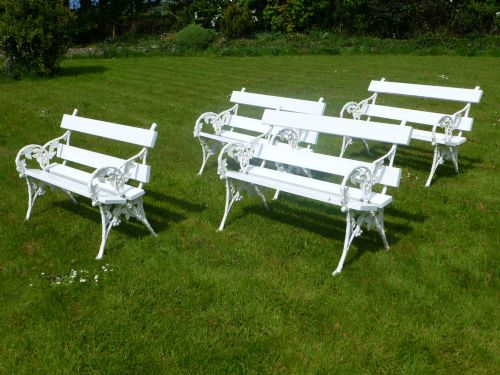
Secondary materials like cast iron and brass appear in garden benches and specific hall chairs, combining metal frames with wooden slats or seats. Surface finishes depend on age and origin, showing weathered patination on outdoor teak and sycamore or polished surfaces on mahogany reception seats.
Listings include items spanning the eighteenth century through to the early twentieth century, utilising oak, mahogany, elm, pine, and cast iron.
What varies in quality
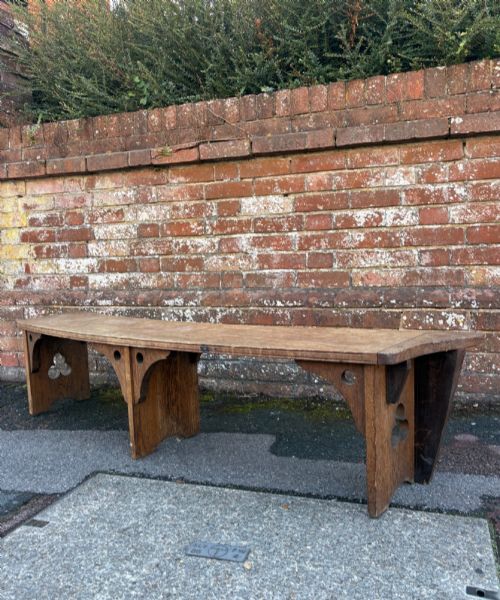
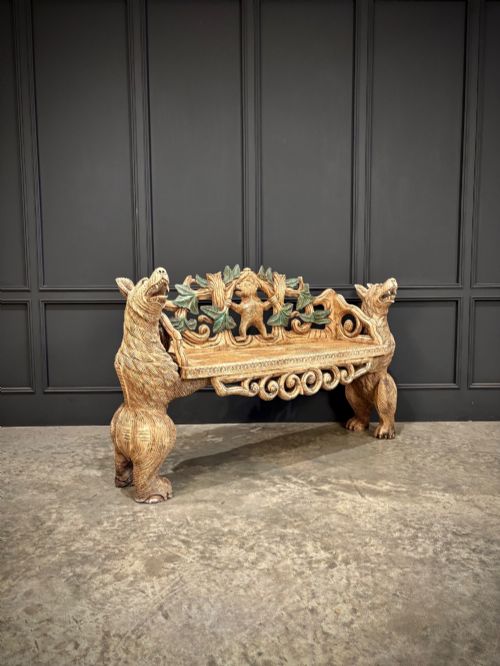
Quality separates through the choice of timber and the depth of carving, moving from utilitarian pine and scrubbed sycamore up to figured mahogany and detailed Gothic or floral relief work. Superior examples exhibit balanced proportions, such as well-turned Windsor wheelback spindles or crisp trefoil carvings on oak bench supports.
Construction robustness dictates longevity, distinguishing vernacular workshop output from high-style cabinetmaker productions. Weathering and original patination also influence desirability, particularly on outdoor garden benches and rustic country seating.
Falkirk foundry
The Antique Timber Seats Glossary
- Settle
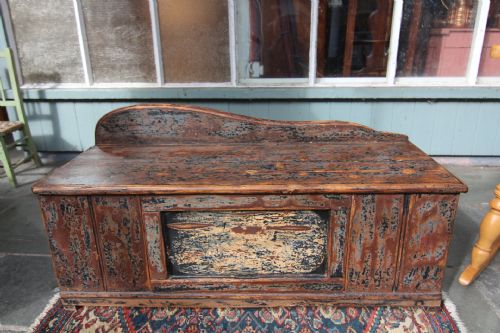
- A wooden bench with high back, solid arms, and often a storage box beneath the seat. This form kept draughts away in older hallways and kitchens.
- Windsor chair
- A chair built with a solid wooden seat into which the legs and back spindles are bored directly. This construction creates a sturdy vernacular form.
- Hall chair
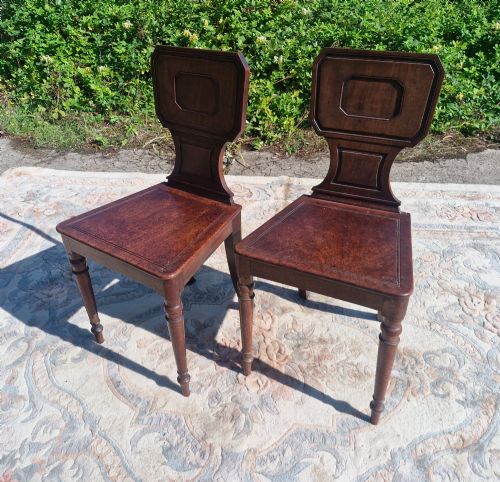
- A rigid wooden seat placed in an entrance hall, typically featuring a solid carved back displaying a family crest or stylistic motif. These pieces served visitors waiting briefly indoors.
- Vernacular
- Furniture made by local craftsmen using regional timber without strict adherence to high-style academic design. This term describes honest country items built for utility.
Antique Timber Seats: Frequently Asked Questions
Where were antique timber seats used?
These pieces served practical roles throughout domestic and public spaces, from grand country house halls to rustic tavern taprooms. Stools and benches provided communal seating, while hall chairs stood in formal entrances.
Outdoor variations furnished gardens and parks, utilising weather-resistant timbers and cast iron frames to withstand the elements.
How do I care for wooden seats?
Maintain timber furniture by keeping it away from direct heat sources and sudden temperature shifts that cause wood to split. Regular dusting with a dry cloth preserves the existing finish.
Avoid heavy liquid polishes on antique surfaces, opting instead for traditional beeswax applied sparingly to nourish dry oak, mahogany, or elm.
What woods are most common?
Oak and mahogany appear frequently across formal and vernacular seating from the eighteenth and nineteenth centuries. Elm and sycamore frequently form the solid seats of country chairs and kitchen stools.
Pine and ash supplement these primary hardwoods, particularly in simpler vernacular items and structural framing.