






Antique Timber Planter
An antique timber planter brings the warmth of aged wood and history directly into your living space or garden.
Antique Timber Planter
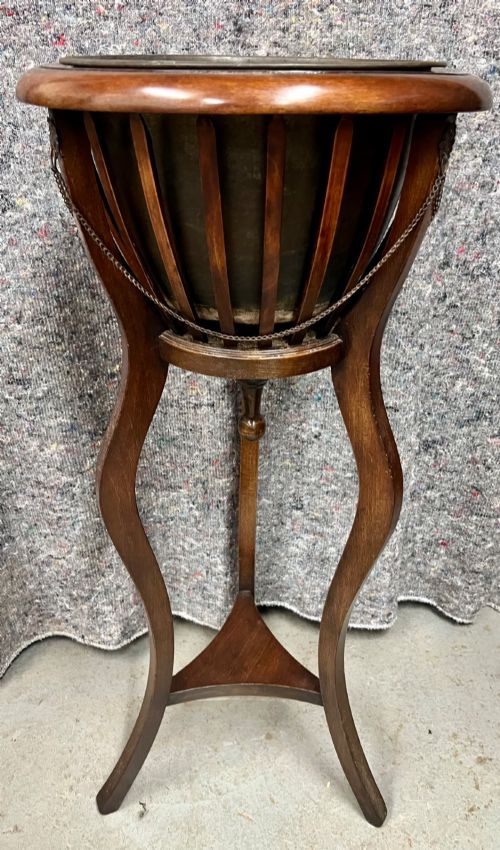
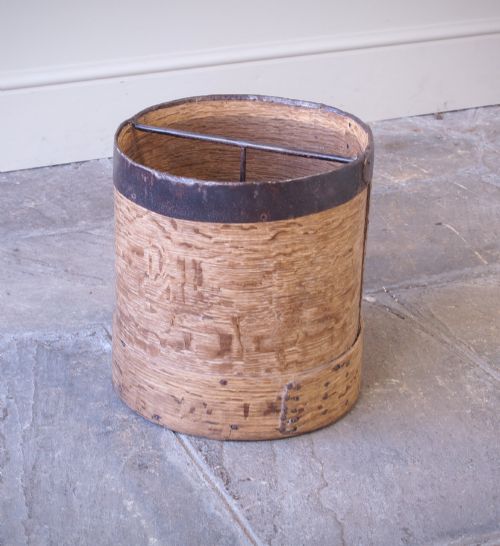
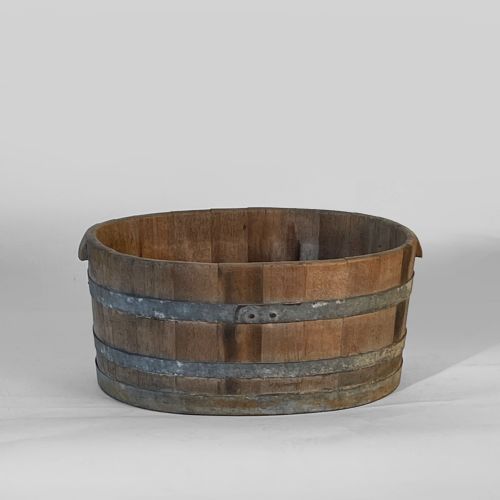
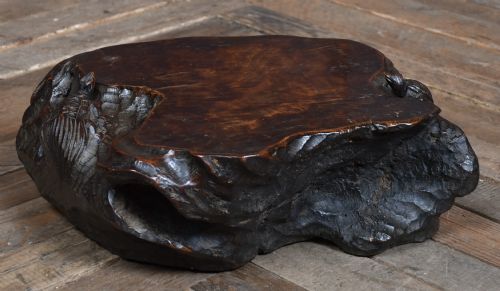
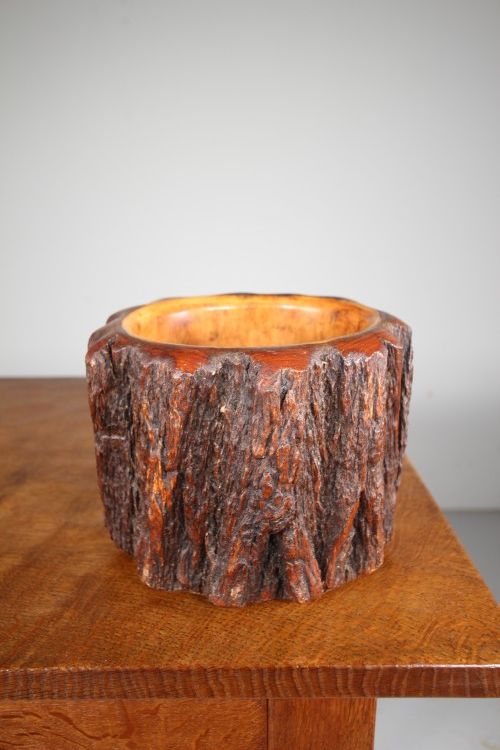
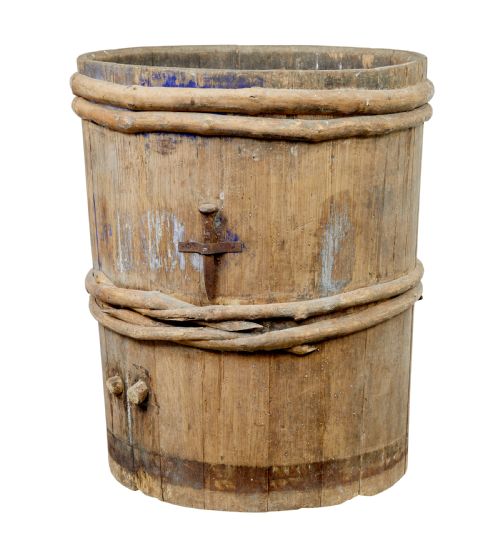
When you search for an antique timber planter, you encounter a diverse array of repurposed vessels originally built for entirely different domestic or agricultural tasks. These functional objects range from 19th-century coopered barrels and washing tubs to Georgian well buckets, French grape bins, and Scandinavian dough bins.
Many of these items transition effortlessly from garden settings to interior spaces, serving as planters, storage bins, or fireside fuel holders while retaining their rustic or formal period character.
Materials and Construction Techniques
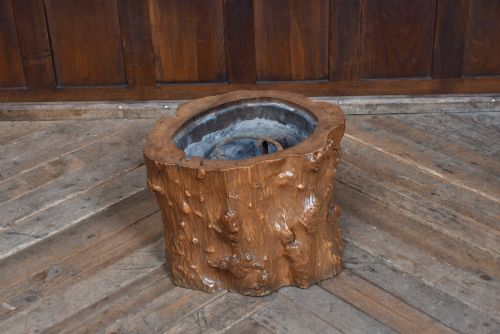
Makers utilised traditional woodworking methods suited to the original purpose of the vessel, employing cooperage techniques with staves held together by iron or brass bands for liquid-holding tubs and buckets. Other items, such as dough bins and tree trunk planters, involve heavy carving, dug-out construction, or joinery using native timbers like oak, pine, and sycamore.
Metals such as wrought iron and brass appear frequently as structural bands, handles, and decorative mounts, contrasting with the warm tones of mahogany, padouk, and elm. Surfaces show the marks of hand tools, adzes, and centuries of weathering or wear.
Antique Timber Planter Retail Price Guide 2026
Typical asking prices for timber planter among the pieces listed under this phrase on Sellingantiques today, from the lower quarter to the upper quarter. They describe what is for sale here now, not the wider market.
Listings feature items from the 17th century through to the early 20th century, encompassing Georgian, Regency, and Edwardian periods.
Evaluating Quality and Character
Quality in these pieces depends on the integrity of the original construction, the richness of the timber's patina, and the balance of proportion. Pieces retaining their original metal bands, handles, and surface finish hold greater authenticity than those altered extensively for modern use.
The distinction between a simple utilitarian container and a finer period piece lies in the choice of wood, such as figured mahogany or padouk, and the subtlety of hand-carved details found in Chinese elm mortars or Black Forest carvings.
The Antique Timber Planter Glossary
- Coopered
- Constructed from curved wooden staves bound together with metal or wooden hoops, typical of barrels and buckets.
- Dough bin
- A deep wooden box with a lid, historically used for kneading bread dough, often set on a stand.
- Jardiniere
- An ornamental pot or stand designed to hold flowers or plants, frequently elevated on legs.
- Treen
- Small handmade wooden household objects, ranging from bowls to boxes, valued for their tactile qualities.
- Padouk
- A heavy, durable tropical hardwood with a reddish-brown colour used in fine cabinet making.
Antique Timber Planter: Frequently Asked Questions
What were antique timber planters originally used for?
Most of these pieces began life as utilitarian vessels such as grain measures, grape bins, well buckets, and dough bins. They were built for daily agricultural, domestic, or industrial labour rather than decorative gardening.
Over time, collectors and gardeners recognised their robust construction and aesthetic appeal, repurposing them to house plants or store household items.
Can I use an antique wooden planter outdoors?
Many of these vessels are made from durable timbers like oak, pine, and elm that withstand outdoor environments well. However, exposure to constant moisture and changing weather will accelerate the weathering of the wood and metal bands.
Using a plastic liner inside the timber vessel helps protect the historic wood from direct dampness and soil degradation.
How do I care for wood and metal bands?
Maintain the timber by cleaning it gently with a soft cloth and applying occasional applications of natural wax to nourish the grain. Avoid placing wooden vessels near direct heat sources that could cause the timber to dry out and split.
Inspect iron or brass bands periodically to ensure they remain secure, addressing any surface rust with light oil if necessary.
How can I tell the period of a timber planter?
Dating relies on observing the tool marks left by the maker, the type of hardware used, and the species of wood selected. Georgian and 19th-century pieces often display hand-forged iron bands, dovetail joinery, or characteristic adze marks from manual shaping.
Comparing the form and construction style to documented items from periods like the Edwardian era or the 17th century helps establish an accurate timeframe.