






Antique Timber Moulding
These antique timber moulding pieces offer genuine historic character, bringing authentic period joinery and carved detail into modern interiors.
Antique Timber Moulding
When you search for antique timber moulding, you are looking at fragments of historic joinery, carved panels, and architectural salvage pieces that once formed parts of grand interiors, furniture, or buildings. These items represent centuries of hand woodworking, spanning periods from the 17th century through to the early 20th century.
Materials and Techniques
The pieces are constructed predominantly from solid hardwoods such as oak, elm, walnut, teak, and fruitwood, selected for their grain and durability. Joiners and carvers utilised hand tools to shape profiles, cut panels, and execute relief carving.
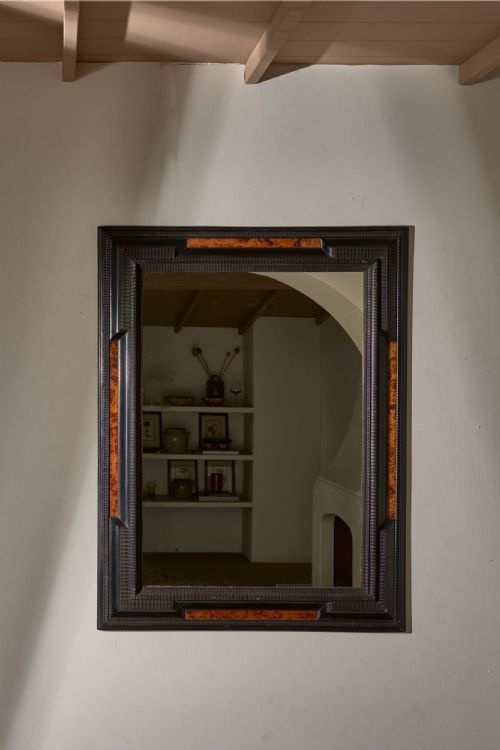
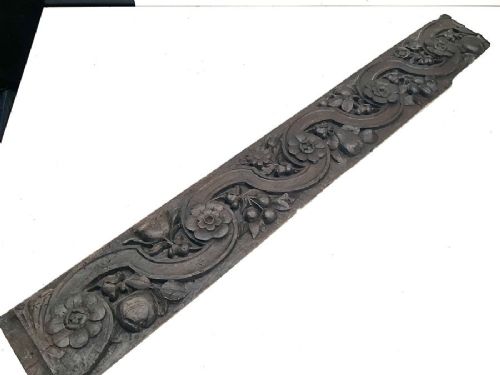
Surface treatments and decorative techniques include hand-carved friezes, ripple moulding, and oyster veneering, demonstrating the technical skill of historical woodworkers working without modern power machinery.
Listings feature oak, walnut, elm, teak, and fruitwood, spanning the seventeenth to the early twentieth century.
Assessing Quality and Execution
Quality in antique timber moulding rests upon the crispness and depth of the hand carving, the selection of figured timber such as pollard oak or walnut, and the integrity of the original joins. Superior pieces display confident tool work and harmonious proportions rather than mechanical uniformity.
The distinction between standard architectural salvage and exceptional items lies in the complexity of the profile, such as multi-tiered ripple mouldings or intricate figurative relief work, which required advanced workshop expertise.
The Antique Timber Moulding Glossary
- Ripple moulding
- A decorative profile carved into wood using specialised machinery or hand planes to create undulating, wave-like patterns. This technique was popular in seventeenth-century frame and cabinet making.
- Oyster veneer
- Thin slices of wood cut cross-wise from branches or small trunks to reveal circular or oval growth rings resembling oyster shells. It creates a distinctive decorative surface on furniture and mirrors.
- Architectural salvage
- Building elements and decorative fragments rescued from older structures before demolition or alteration. These pieces are reused in interior design to add historic authenticity.
- Frieze
- A broad horizontal band of sculpted or painted decoration placed on a wall, furniture piece, or architectural framing. In timber work, it is often hand carved with floral or geometric motifs.
Antique Timber Moulding: Frequently Asked Questions
How were timber mouldings used historically?
Historic timber mouldings were integrated into the structural and decorative fabric of buildings, adorning fireplaces, ceilings, doorways, and wall panels. They served to frame spaces and elevate plain architectural surfaces.
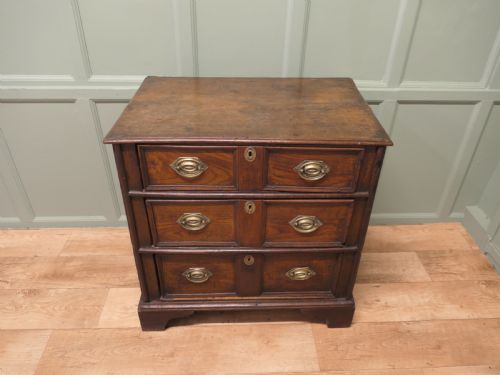
In furniture design, similar moulding profiles defined drawer fronts, cornices, and mirror frames, adding depth and shadow to everyday objects.
What woods are common in these pieces?
Oak is frequently encountered, prized by historical joiners for its strength and prominent grain pattern. Walnut, elm, teak, and fruitwood also appear across different eras and regional workshops.
Softer or more pliable woods were selected when intricate carving or bending was required for specific decorative profiles.
How do I date an architectural fragment?
Dating relies on identifying the tool marks left by hand planes and chisels, which differ significantly from later steam-powered or electric machining. The style of the carving and the choice of wood species offer further clues.
Comparing the construction methods to dated examples from the same period helps narrow down the century of manufacture.
How can I display architectural salvage at home?
Carved panels and friezes can be mounted directly onto walls as standalone works of art, highlighting their three-dimensional texture. Larger architectural elements like pediments function well above doorways or as mantel shelf ornaments.
Displaying these items against plain walls allows the historic timber grain and hand-tooled details to remain the focal point.