



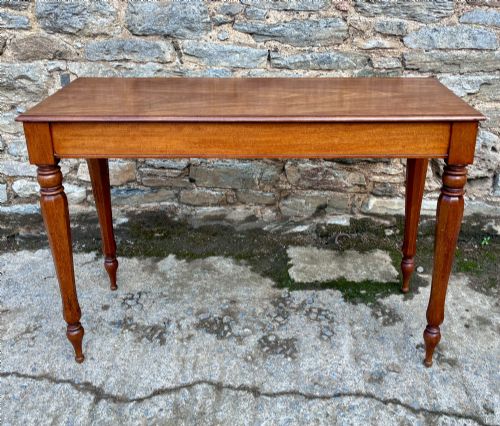

Antique Timber Console
An antique timber console brings architectural weight and practical surface area to a hallway or reception room.
Antique Timber Console
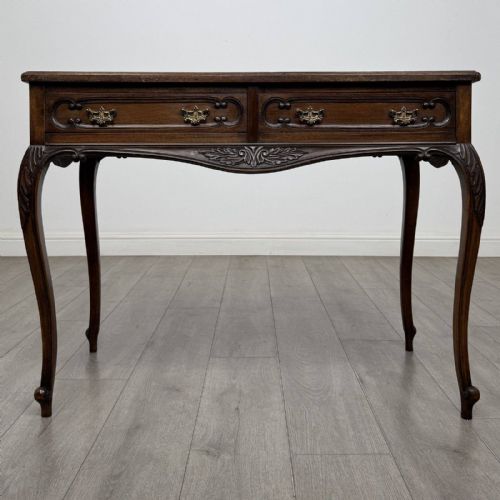
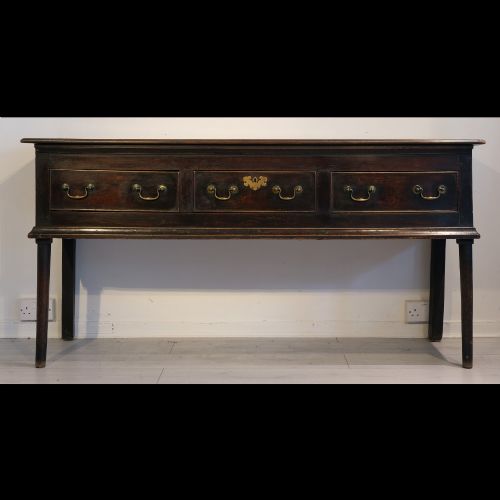
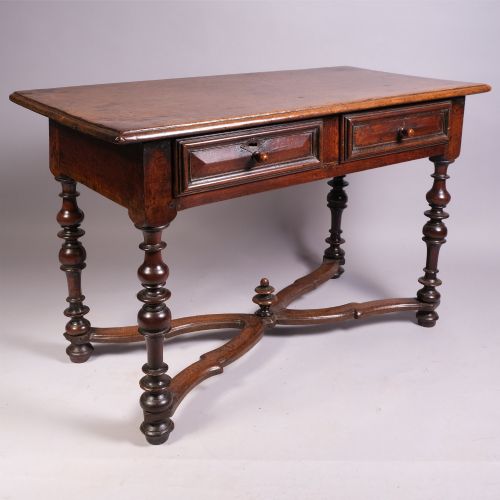
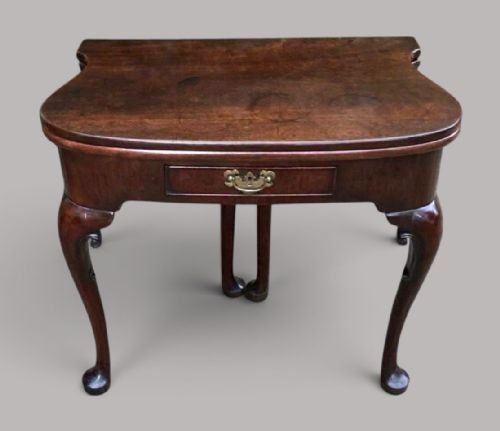
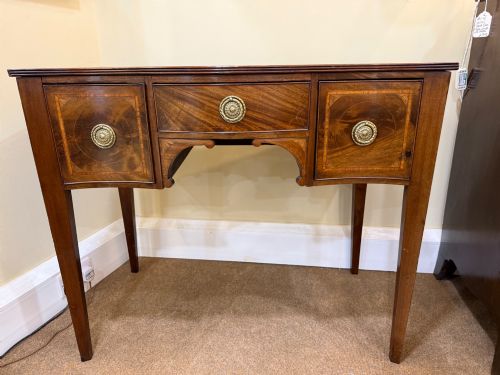
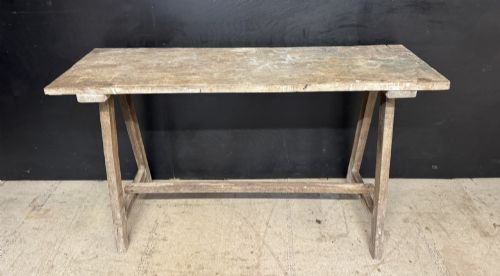
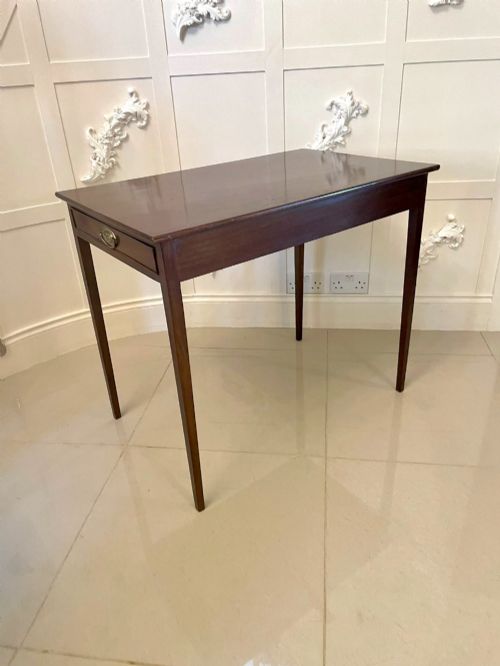
When searching for an antique timber console, a buyer encounters a diverse group of wall-abutting and freestanding tables designed for domestic service. The selection spans formal Georgian mahogany designs to robust oak and pine farmhouse pieces.
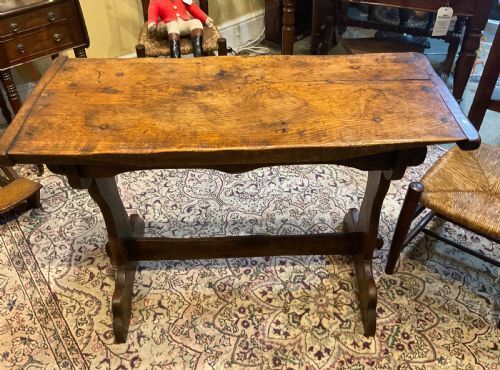
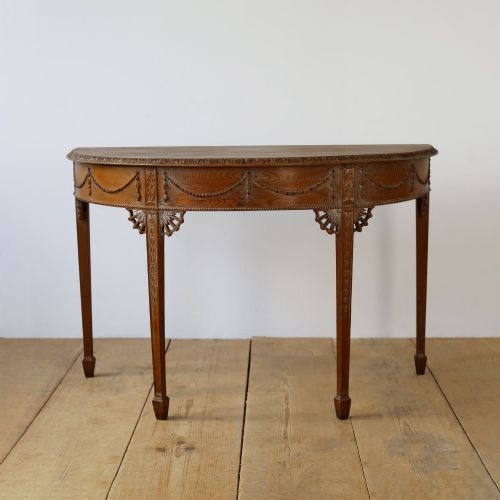
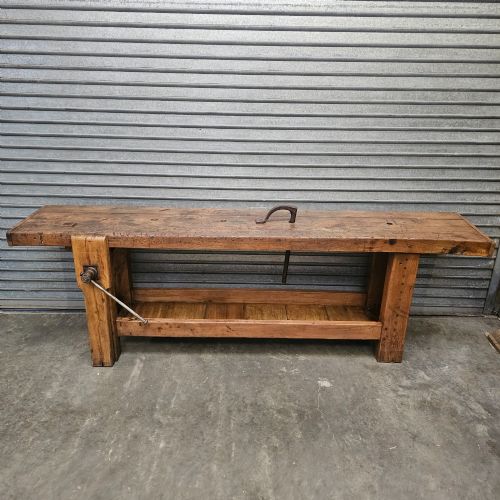
Forms vary from narrow demi-lune side tables to long serving tables and workbenches adapted for domestic interiors. Many examples originate from English and French country houses, displaying regional stylistic preferences.
The category also encompasses occasional tables and dresser bases utilised in hallways and living spaces. These pieces combine utilitarian origins with decorative presence.
Materials and construction methods
Constructed primarily from hardwoods like mahogany, oak, and cherrywood alongside softer pines and sycamore, these tables rely on solid timber construction. Many surfaces feature painted finishes or bleached treatments developed over centuries of use.
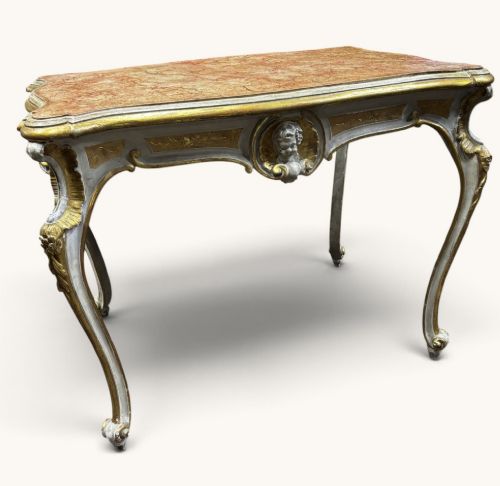
Specialised examples incorporate inset marble tops in varieties such as Breccia Medicea violetta alongside functional brass hardware and integrated vices or clamping bars. Joinery methods reflect the specific domestic or workshop purpose of each piece.
Antique Timber Console Retail Price Guide 2026
Typical asking prices for timber console among the pieces listed under this phrase on Sellingantiques today, from the lower quarter to the upper quarter. They describe what is for sale here now, not the wider market.
Assessing quality in timber consoles
Quality rests in the integrity of the timber selection and the restraint of the proportions. Finer iterations show careful matching of mahogany or oak grain, while utilitarian workbenches display honest wear from active use.
The sophistication of the carved detail or the presence of original painted surfaces distinguishes standard regional items from exceptional architect-designed pieces. The handling of edges, friezes, and leg attachments signals the maker's competence.
The Antique Timber Console Glossary
- Demi-lune
- A half-moon shape commonly found in the tops and frames of side tables designed to sit flush against a wall.
- Potboard
- A low slatted shelf fitted between the legs of a dresser base or serving table, traditionally used for storing earthenware.
- Serpentine
- A gently undulating front edge curving outward at the centre and inward at the sides, typical of refined 18th-century design.
- Workbench
- A heavy utilitarian table fitted with vices and clamping bars, now repurposed as a robust console or serving surface.
Antique Timber Console: Frequently Asked Questions
Where should I place an antique console?
These narrow tables suit hallways, narrow corridors, and reception rooms where floor space is limited. They provide a practical surface for lighting, mirrors, and decorative objects without obstructing passage.
Freestanding versions can also anchor larger living spaces, while painted or scrubbed pine variants bring texture to country kitchens and dining areas.
How do I care for timber surfaces?
Maintain timber furniture by dusting regularly with a dry cloth and avoiding excessive moisture. Natural waxes help nourish older wood and preserve the depth of the grain.
Keep tables away from direct heat sources and strong sunlight to prevent the timber from drying out or splitting over time.
Are these tables suitable for daily use?
Most antique consoles were built for heavy domestic, kitchen, or workshop service, making them remarkably sturdy for modern living. Solid timber construction withstands regular placement of everyday items.
Tables with delicate painted finishes or marble tops simply require sensible precautions against heavy impacts and liquid spills.