


Antique Timber Box
An antique timber box serves storage and display needs alike, spanning utilitarian candle boxes to inlaid tea caddies shaped by centuries of woodworking traditions.
Antique Timber Box
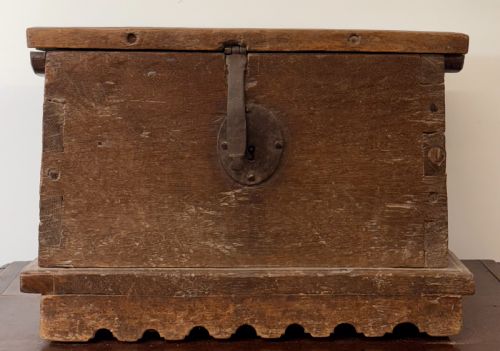
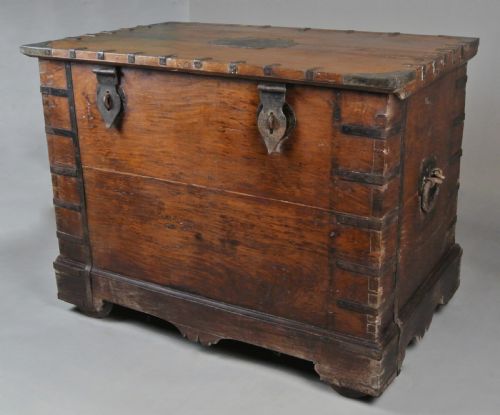
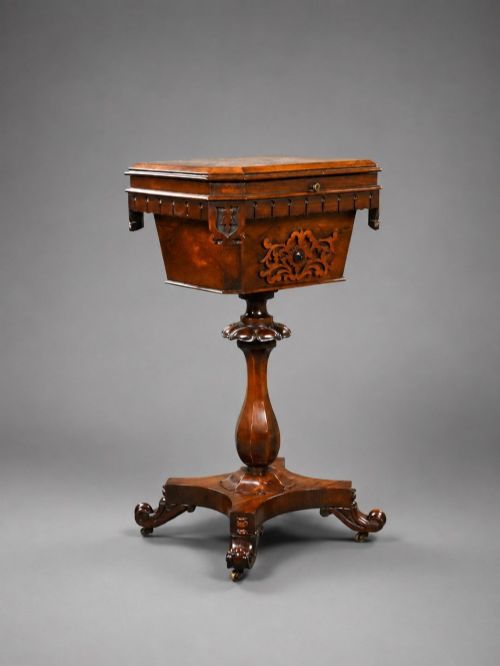
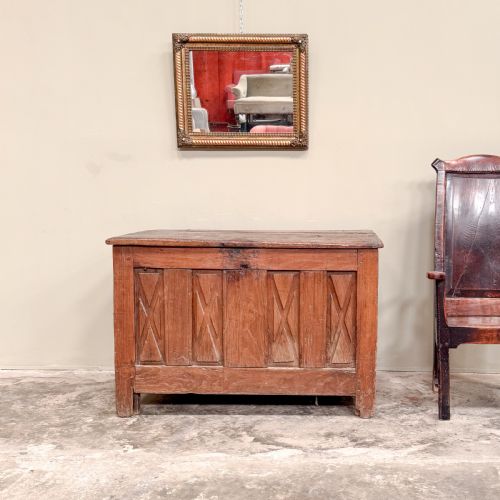
The antique timber box encompasses a wide array of functional vessels, ranging from small personal containers such as tea caddies, workboxes and snuff boxes to larger household furniture including blanket chests, coffers and box settles. Pieces span multiple centuries, originating from Georgian, Victorian, Edwardian and earlier periods, reflecting the shifting domestic needs of past households.
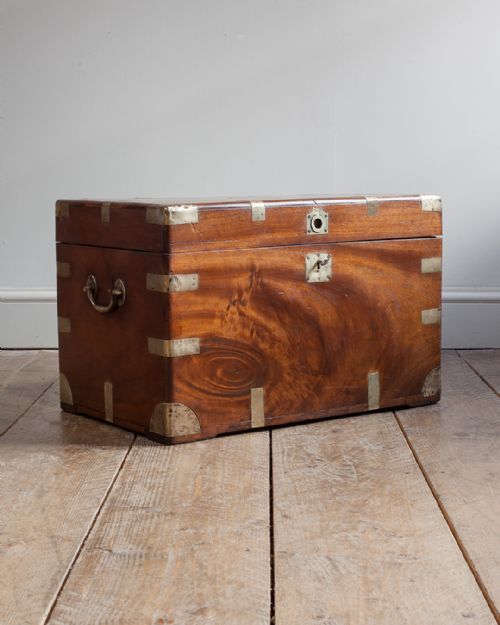
Buyers frequently encounter smaller personal boxes alongside robust storage chests fashioned from diverse woods. Regional styles appear across the selection, featuring Scandinavian country work, Black Forest carvings, French provincial coffers and Anglo-Indian campaign pieces, which demonstrate how different cultures utilised local timber.
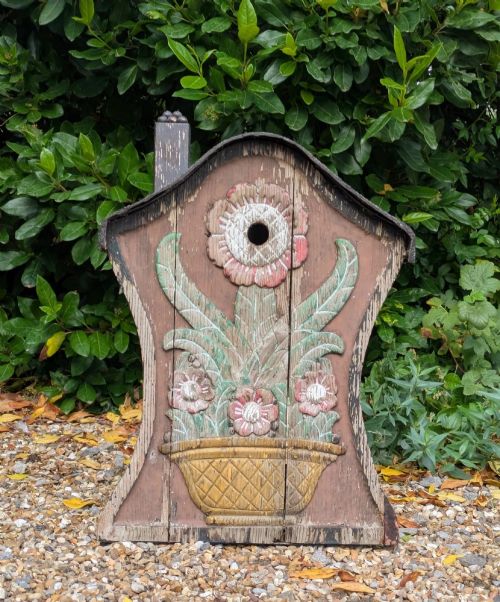
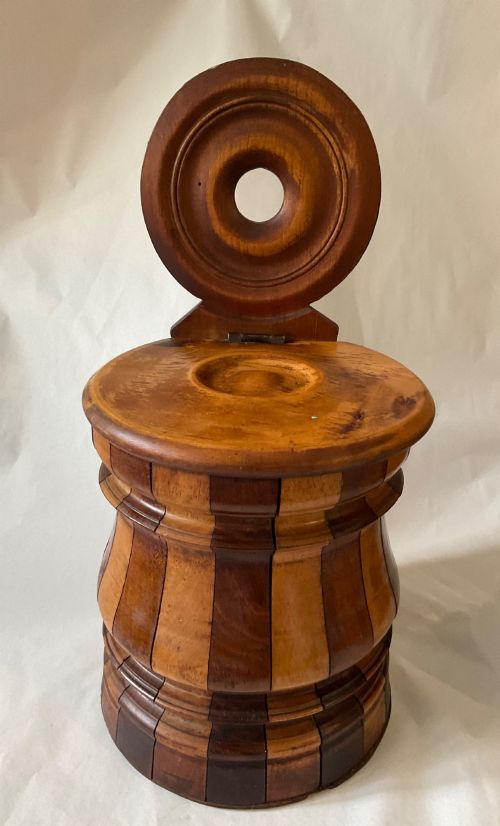
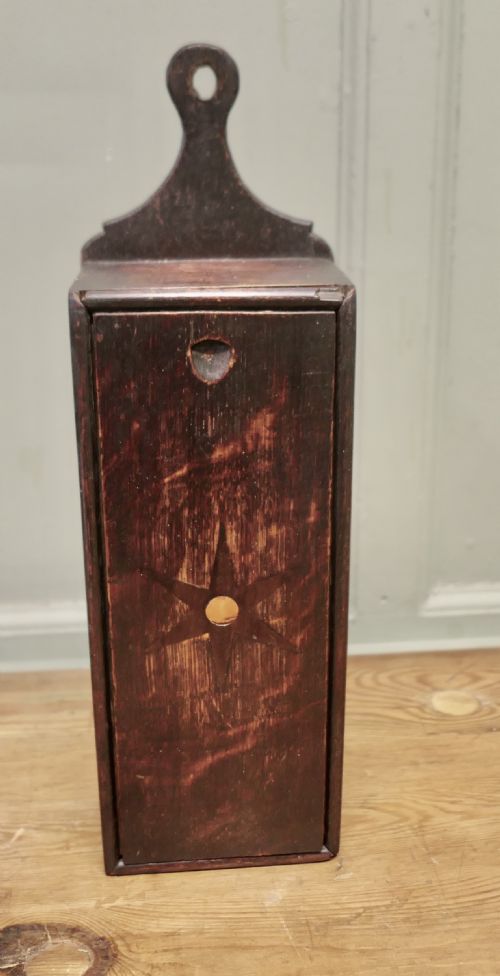
Utility pieces such as wall-hanging candle boxes, salt boxes and spice boxes sit alongside decorative items like Tunbridge ware reel boxes and intricately carved caskets. This variety ensures that an antique timber box can function equally as a practical container or a decorative focal point within a room.
Materials and construction
Carpenters and cabinetmakers relied on a variety of domestic and exotic timbers, utilising sturdy native woods like oak, elm, pine and laburnum alongside durable imported varieties including camphor wood, teak, rosewood and coromandel. These materials were selected for their grain patterns and resilience, providing the structural integrity required for items subjected to daily handling.
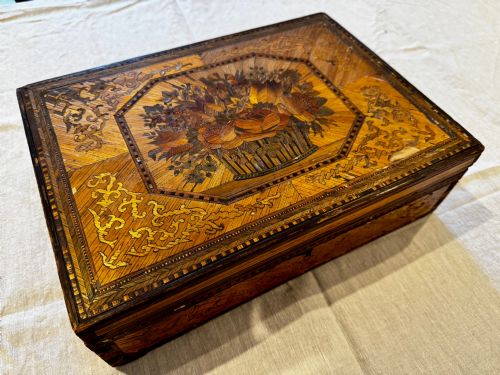
Construction methods varied according to the scale and purpose of the vessel, moving from simple six-plank assembly in early country coffers to intricate dovetailing, parquetry and straw-work in refined tea caddies and workboxes. Artisans incorporated brass mounts, iron binding and turned decoration to reinforce joints and enhance the visual character of the wood.
A tiny nineteenth-century prisoner-of-war workbox brings delicate straw-work directly into the lineage of heavy oak coffers.
Evaluating quality
Quality in these pieces is dictated by the precision of the joinery and the selection of timber, where burr woods, finely matched veneers or dense hardwoods indicate a higher tier of craftsmanship. Superior examples display thoughtful proportions and harmonious integration of decorative elements such as Tunbridge ware inlay, hand carving or engine-turned patterns.
The integrity of the construction and the preservation of original surfaces separate exceptional examples from standard utilitarian items. Pieces that retain their original fitted interiors, working locks and honest patina demonstrate a superior level of survival through the centuries.
The Antique Timber Box Glossary
- Tea caddy
- A box designed for storing dry tea leaves, often featuring internal compartments and a lock to protect an expensive commodity.
- Coffer
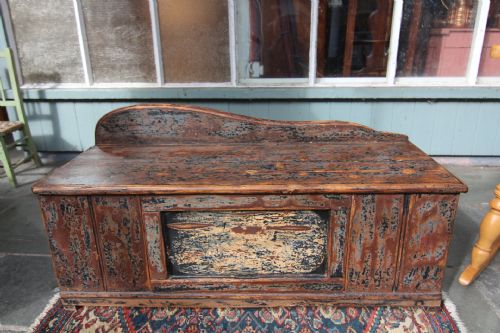
- A heavy wooden chest traditionally used for storing valuables, documents or textiles, typically constructed with sturdy planking.
- Tunbridge ware
- A distinct form of woodworking characterised by mosaic tile patterns made from multiple natural coloured woods to form pictorial designs.
- Treen
- Small handmade wooden household objects produced before the widespread adoption of modern manufacturing.
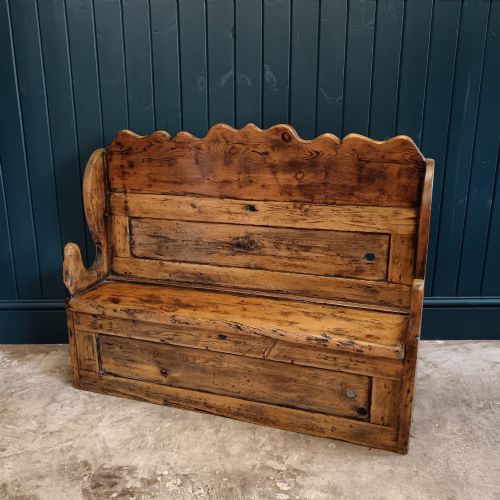
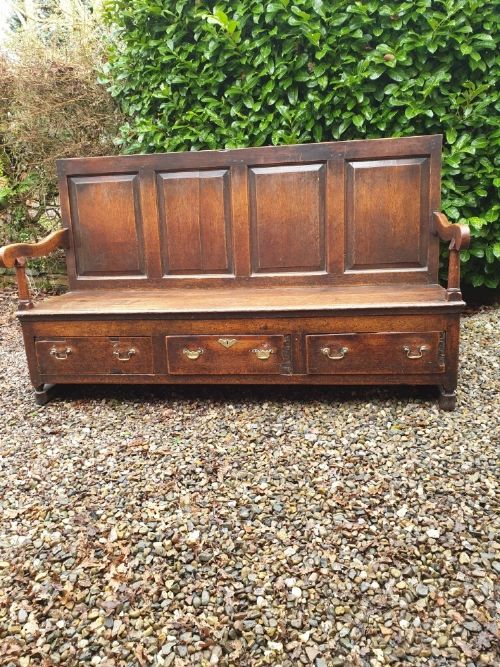
- Box settle
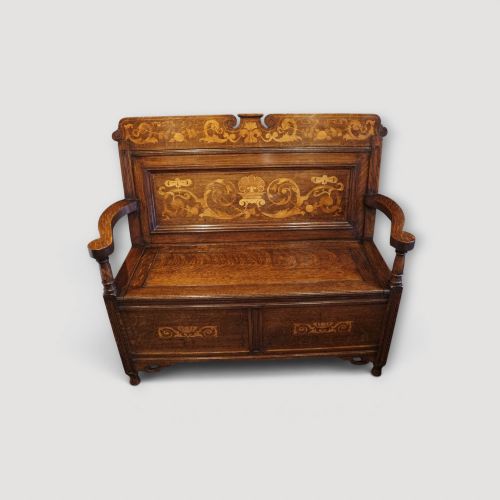
- A wooden bench featuring a high back and a seat that lifts to reveal storage space underneath.
- Campaign chest
- A modular wooden chest designed to be dismantled easily for transport by military officers on campaigns.
Antique Timber Box: Frequently Asked Questions
What were small wooden boxes used for?
Small wooden containers served specific domestic roles, holding personal valuables, sewing implements, tobacco or luxury commodities like tea.
Their fitted interiors and sturdy locks kept contents secure from damp and theft in period homes.
How do I care for antique wooden boxes?
Keep wooden items away from direct sunlight and sudden temperature changes to prevent the timber from warping or splitting.
Apply a traditional wax polish occasionally to nourish the grain without building up heavy chemical residues.
How can I tell the age of a chest?
Examine the construction methods, tool marks and the type of timber used in the framework and base boards.
Early pieces often display hand-split boards and forged iron or brass hardware distinct from later machine-made manufacturing.
Where should I place a box settle?
Box settles work effectively in hallways, kitchens or living spaces where extra seating and concealed storage are both required.
Their high backs help draft-proof seating areas in larger rooms while providing practical space for blankets or boots.