



Antique Timber Bowl
An antique timber bowl brings warmth and utilitarian history to a room, serving as a tactile link to rural domestic life.
Antique Timber Bowl
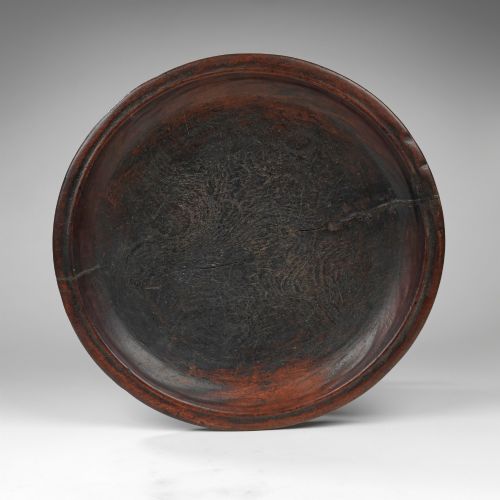
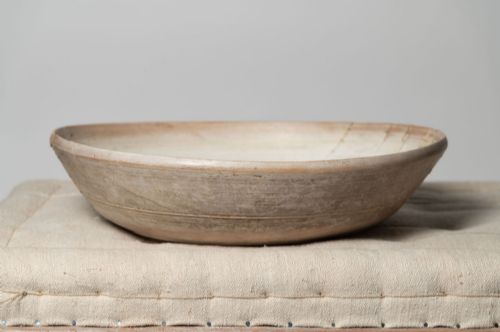
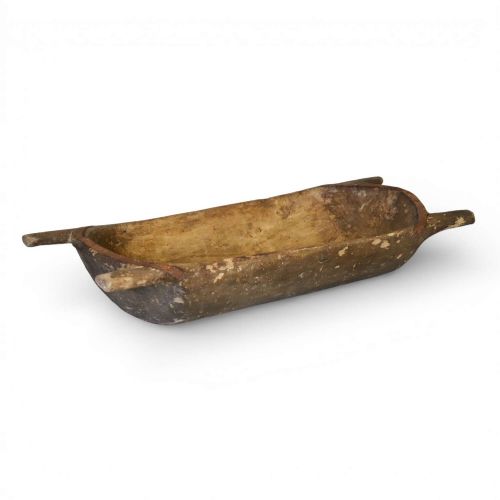
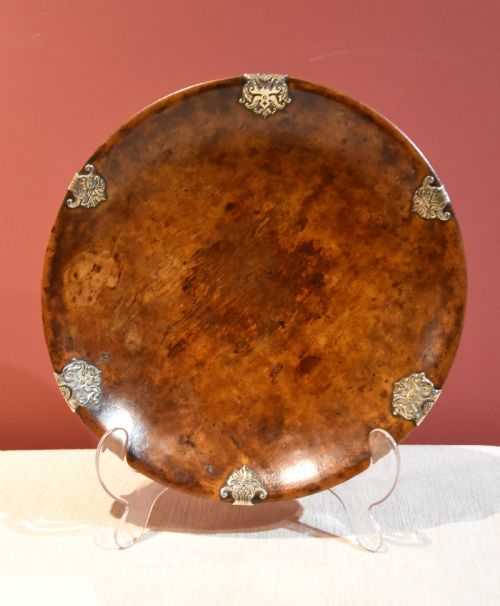
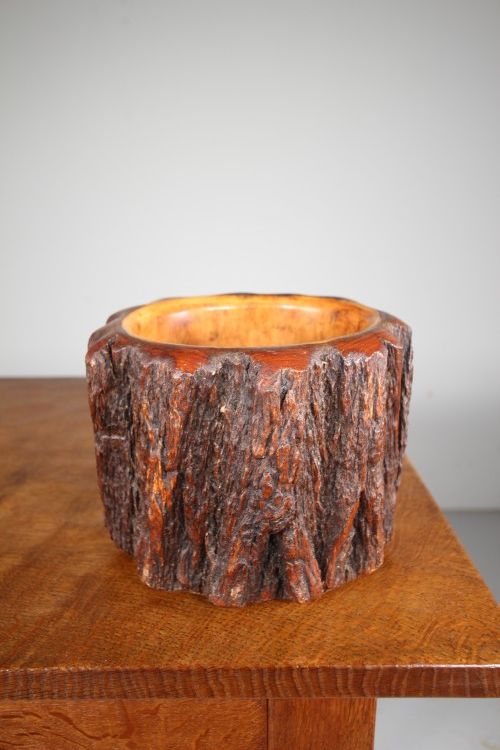
An antique timber bowl is a functional vessel shaped from wood, encompassing forms from dairy bowls and dough troughs to treen pieces and mortars. These objects originate from diverse domestic and regional traditions spanning the eighteenth and nineteenth centuries into the early twentieth century.
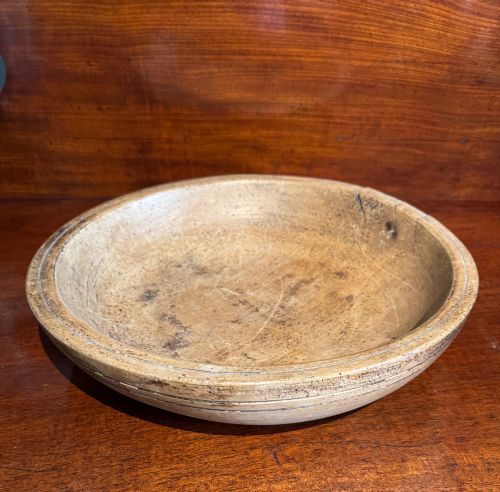
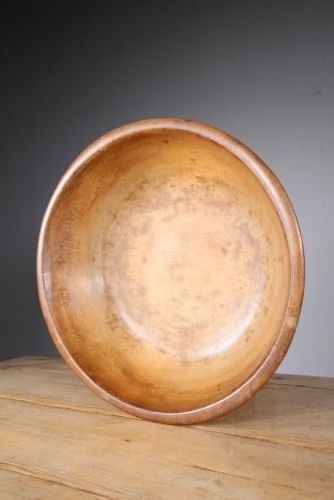
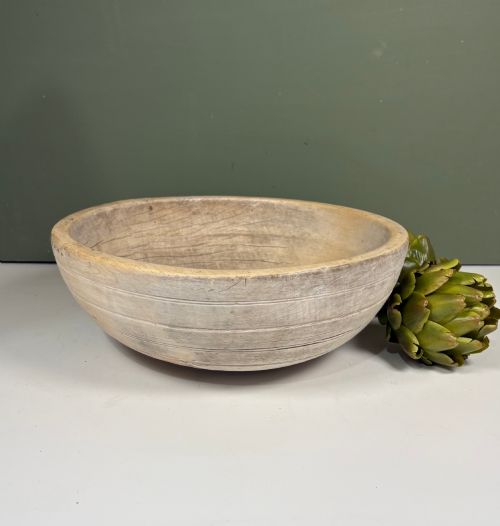
The version most commonly encountered on this page is the sycamore dairy bowl, often originating from English, French, or Swedish domestic contexts. These vessels frequently display deep basins and aged surfaces shaped by daily agricultural use.
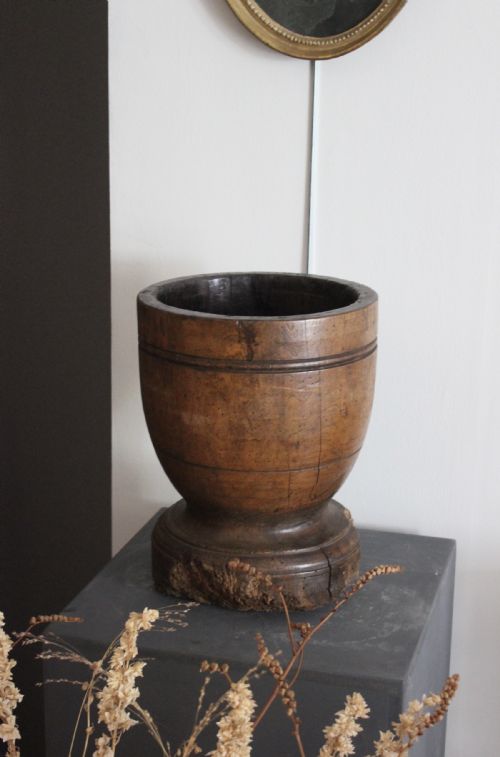
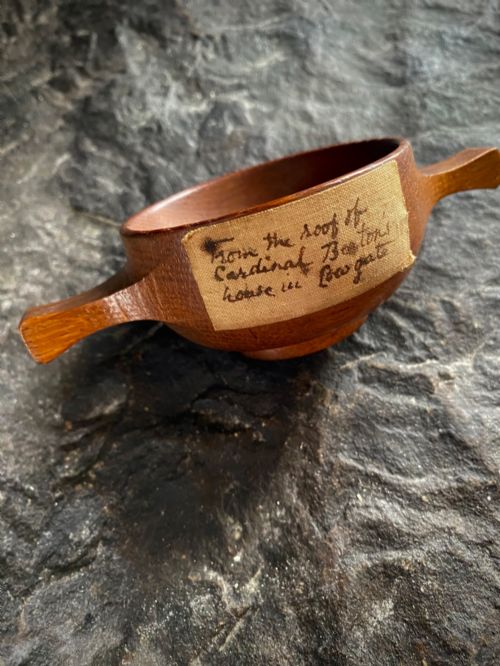
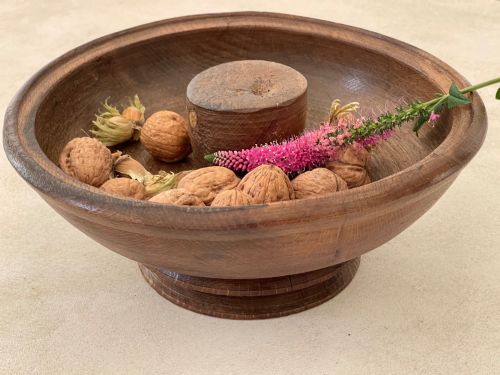
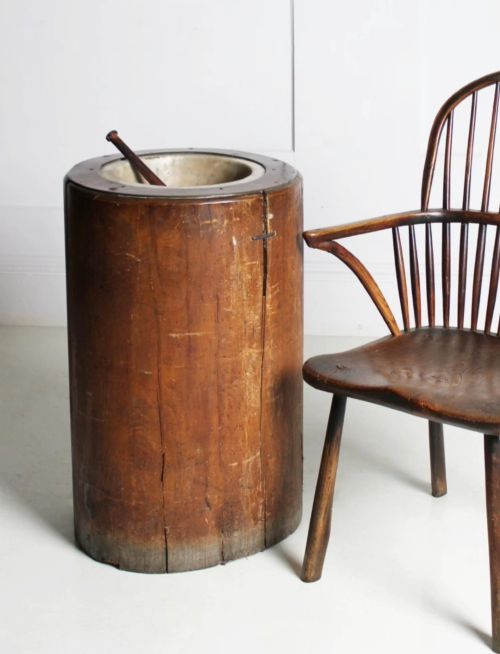
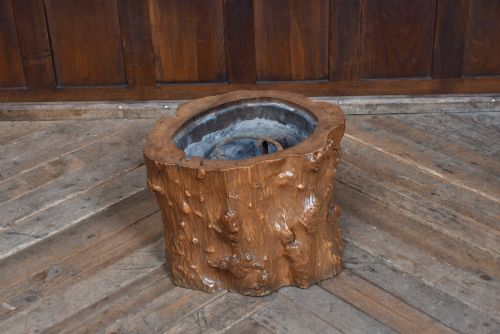
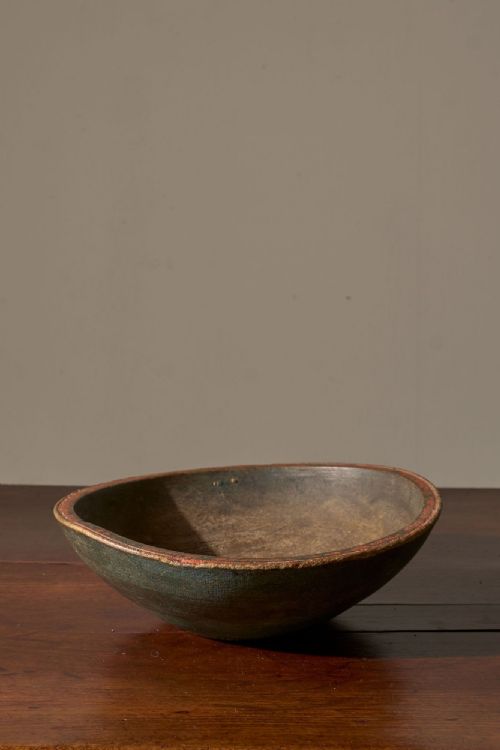
Beyond dairy and kneading bowls, the selection includes turned treen, hand-carved mortars, and painted Scandinavian examples. Each piece reflects the specific domestic or utilitarian purpose for which it was originally shaped.
How these bowls were made
Makers utilised solid hardwoods and softwoods such as sycamore, pine, walnut, and elm, selecting timber for its grain and resilience. Bowls were turned on lathes or dug out and hand-carved from single blocks of wood to withstand heavy kitchen and dairy tasks.
Surface treatments range from plain hand-polished timber to historic painted finishes and iron reinforcements. Natural patinas developed organically through decades of utility, scrubbing, and handling.
Specialised items incorporate turned elements, applied mounts, or carved details such as handles and octagonal rims. The combination of tool marks and wear patterns records the physical process of their creation.
Antique Timber Bowl Retail Price Guide 2026
Typical asking prices for timber bowl among the pieces listed under this phrase on Sellingantiques today, from the lower quarter to the upper quarter. They describe what is for sale here now, not the wider market.
The listings span the eighteenth century through the 1930s, featuring sycamore, pine, walnut, and elm formed into dairy bowls, dough troughs, and treen.
What varies in quality
Quality rests in the balance between the integrity of the original form and the depth of the patination accumulated through use. Pieces with crisp turning marks or untouched surface wear command greater interest than heavily altered examples.
The choice of timber and the proportion of the vessel dictate its structural character, with dense sycamore and figured walnut offering superior grain definition. Regional distinctiveness, such as traditional Swedish paint or French farmhouse scale, also shapes the standing of a piece.
The Antique Timber Bowl Glossary
- Treen
- Small handmade wooden domestic objects and utensils. This term covers items like turned bowls, ladles, and treen stem vessels intended for everyday use.
- Dairy bowl
- A shallow wooden vessel utilised in traditional dairies for setting milk and skimming cream. Sycamore was the preferred wood because it does not taint the dairy produce.
- Patina
- The surface sheen and colour acquired by wood over decades of handling, cleaning, and exposure to light. A warm patina indicates organic ageing rather than modern finishing.
- Dough bowl
- A large vessel used for mixing and kneading bread dough in domestic farmhouses. These pieces are typically deep and heavy, bearing the marks of scraper tools.
- Turned wood
- An object shaped on a lathe by rotating the timber against cutting tools. This technique produces symmetrical bowls with precise circular walls and rims.
Antique Timber Bowl: Frequently Asked Questions
What were antique timber bowls used for?
These wooden vessels served practical roles in domestic and agricultural life, primarily in dairies for setting milk, in kitchens for kneading bread dough, and as general utility dishes.
Over time, many transitioned from working farm tools into decorative items valued for their historic surface character and craftsmanship.
How do I care for an antique wooden bowl?
Keep wooden vessels away from direct heat sources, strong sunlight, and excessive moisture to prevent the timber from warping or splitting.
Clean them gently with a dry or barely damp cloth, avoiding prolonged soaking and harsh chemical detergents that strip the aged surface.
How can I tell the age of a wooden bowl?
Age is determined by observing tool marks left by lathes or hand-carving chisels, the type of wood utilised, and the natural wear of the timber.
Examining the depth of the patina and any historic painted finishes also helps contextualize the period of manufacture.
Are all antique timber bowls made from sycamore?
While sycamore is frequently found, particularly in dairy and kitchen bowls due to its neutral taste and pale grain, other woods are present.
Listings also record pieces shaped from pine, walnut, elm, and general solid timber depending on the regional tradition and intended use.