




Antique Thames River Print
An antique thames river print captures the historic waterway through varied Victorian and Georgian visions.
Antique Thames River Print
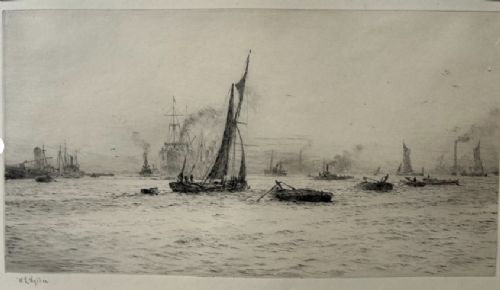
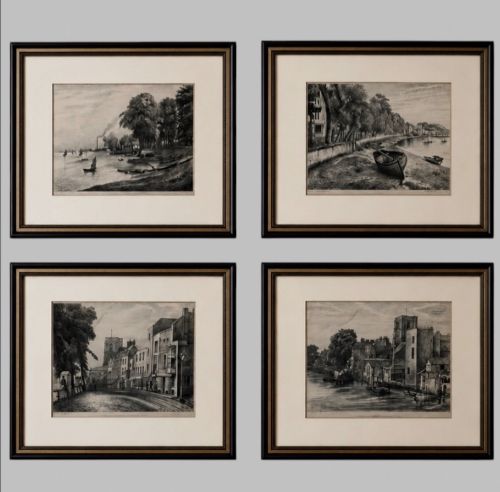
Buyers seeking an antique thames river print examine works depicting London landmarks, bridges, and reaches of the waterway. These pieces encompass various interpretations ranging from early nineteenth-century views to later Edwardian renderings.
The selections available here predominantly feature framed prints, watercolours, and detailed engravings. Subjects span recognizable locations such as Blackfriars Bridge, London Bridge, and Chelsea.
Works originate across distinct periods, notably the Georgian era, the nineteenth century, and early twentieth-century movements. Pieces capture the evolving architecture and maritime traffic of the capital over generations.
Methods and materials
Makers utilised paper, ink, and watercolour pigment to create these depictions. Techniques range from hand-coloured aquatints and lithographs to pencil-signed drypoint etchings.
Framing materials commonly incorporate wood, burr walnut, and glass to preserve the paper works. Engravers and printers employed precise plate-marking methods to produce sharp lines on quality paper stocks.
Antique Thames River Print Retail Price Guide 2026
Typical asking prices for thames river print among the pieces listed under this phrase on Sellingantiques today, from the lower quarter to the upper quarter. They describe what is for sale here now, not the wider market.
Assessing the work
Quality rests upon the clarity of the printed line and the crispness of the impression taken from the plate. Stronger impressions reveal finer details in distant buildings and river craft.
The presence of original hand-colouring or a contemporary artist signature elevates the standing of an individual work. Preservation of the paper sheet and the quality of the surrounding wooden frame also influence the overall character.
Alfred Young Nutt·William Lionel Wyllie·Claes Jansz Visscher·Edgar J Maybery
The Antique Thames River Print Glossary
- Aquatint
- An intaglio printmaking technique that produces tonal effects similar to watercolour washes. It is achieved by etching resin-coated metal plates.
- Drypoint
- A printmaking process where an image is scratched directly onto a metal plate with a sharp needle. This creates a raised burr that holds ink for a velvety printed line.
- Lithography
- A planographic printing method based on the repulsion of oil and water. It allows smooth gradations of tone across the printed surface.
- Etching
- A process where lines are bitten into a metal plate using acid before ink is applied for printing. It produces sharp, precise linear details.
Antique Thames River Print: Frequently Asked Questions
What periods do these river prints cover?
The works span from the Georgian era through the nineteenth century and into the early twentieth century. Each period reflects changing printing technologies and urban landscapes.
Artists and printers captured the Thames during distinct phases of London's architectural development.
How should I display a framed print?
Keep framed paper works away from direct sunlight to prevent fading of inks and watercolour pigments. Stable indoor humidity protects the paper and wooden frames.
Ensure wall fixings safely support the weight of wood and glass framing assemblies.
Are these works original prints?
The selection includes original etchings, engravings, and lithographs produced during their respective historical periods. Many bear artist signatures or identify the original publisher.
Techniques vary between hand-coloured aquatints and direct press impressions.
What subjects appear in these views?
Depictions focus on London bridges, river reaches, and waterfront buildings such as St Georges Chapel and Chelsea. Maritime traffic and historic cityscapes dominate the visual record.
Views range from expansive wall engravings to intimate watercolour paintings.