
Antique Textiles Framing
Antique textiles framing transforms historic needlework, silk pictures and woven fragments into wall art ready for interior display.
Antique Textiles Framing
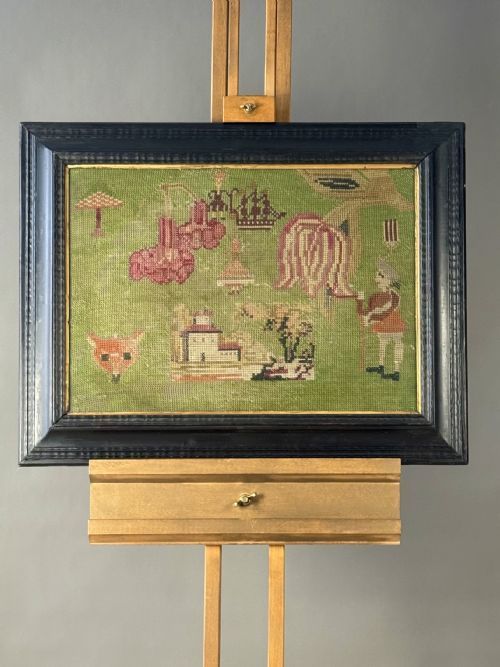
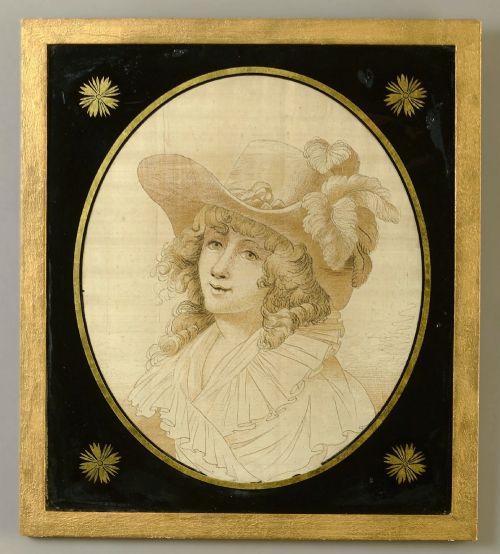
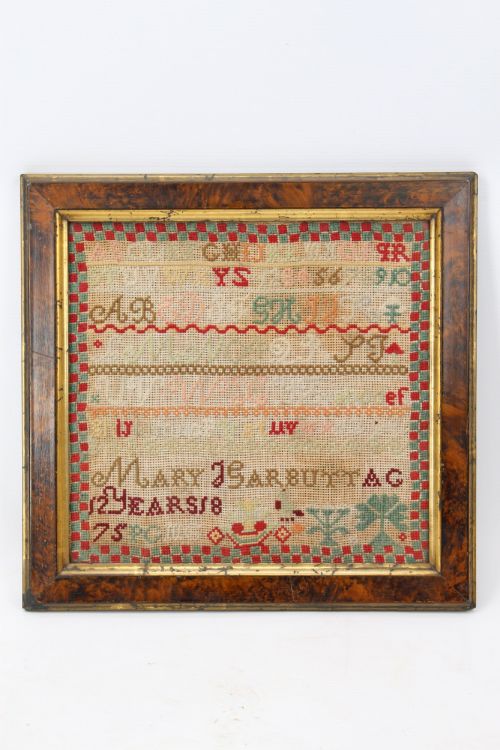
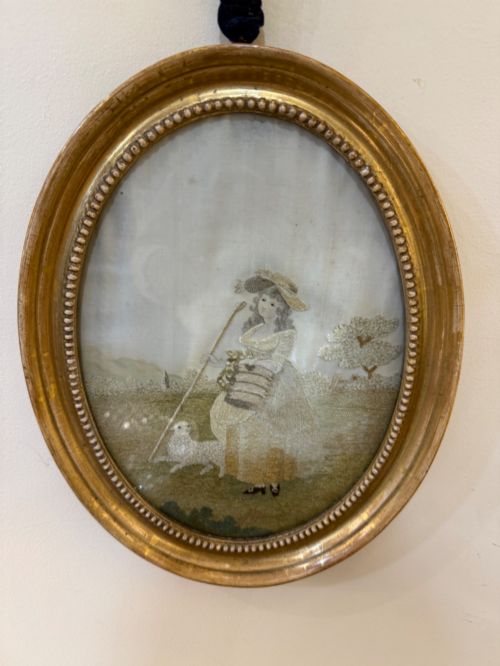
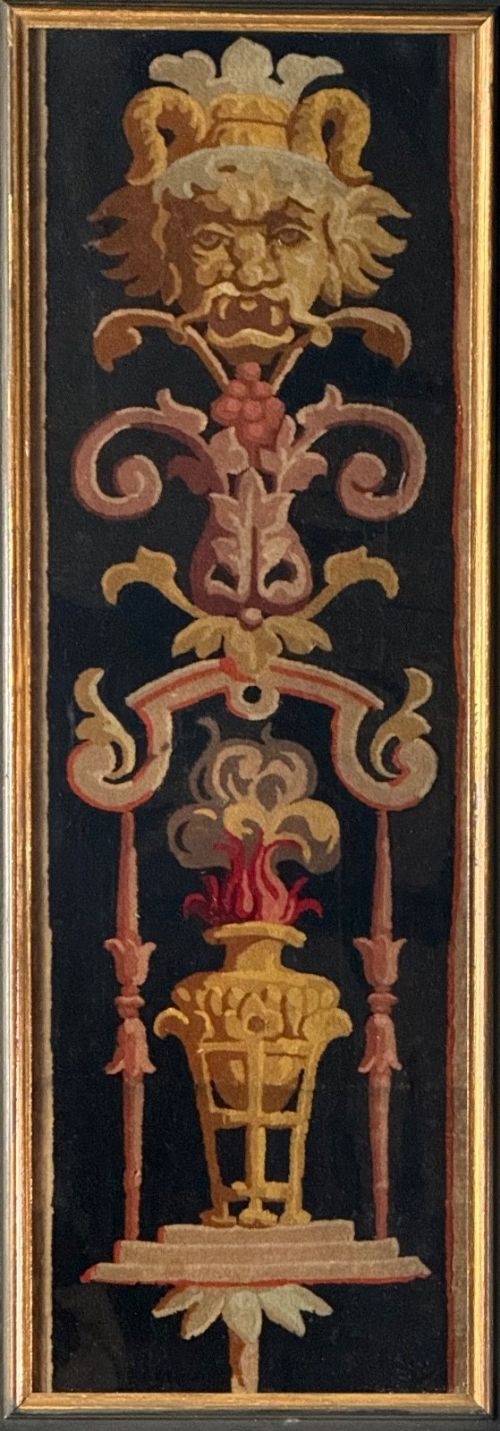
Buyers seeking antique textiles framing encounter historic decorative wall pieces preserved behind glass in protective wooden surrounds. The selection spans 17th century embroidered panels, Georgian silk maps, and Victorian wool work samplers mounted for display.
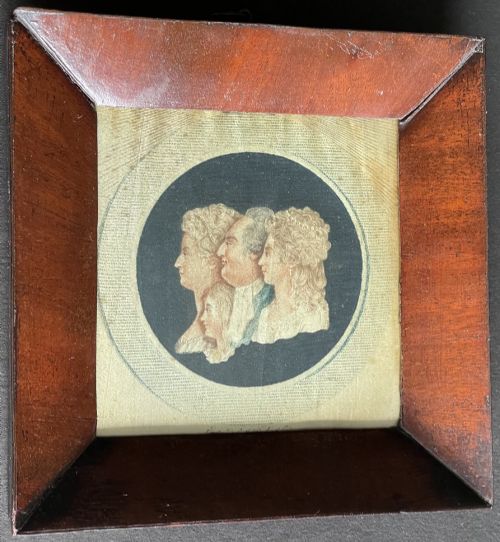
Most examples originate from the 18th and 19th centuries, taking forms such as framed needlework pictures, woven silk portraits, and textile fragments. These pieces bring tactile depth and historic narrative directly to interior walls.
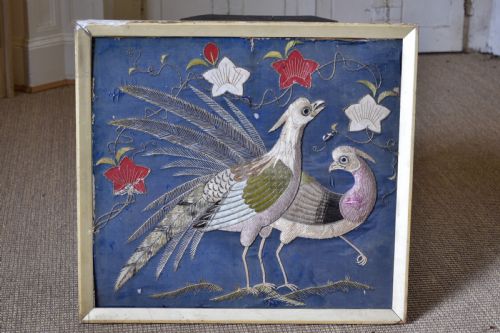
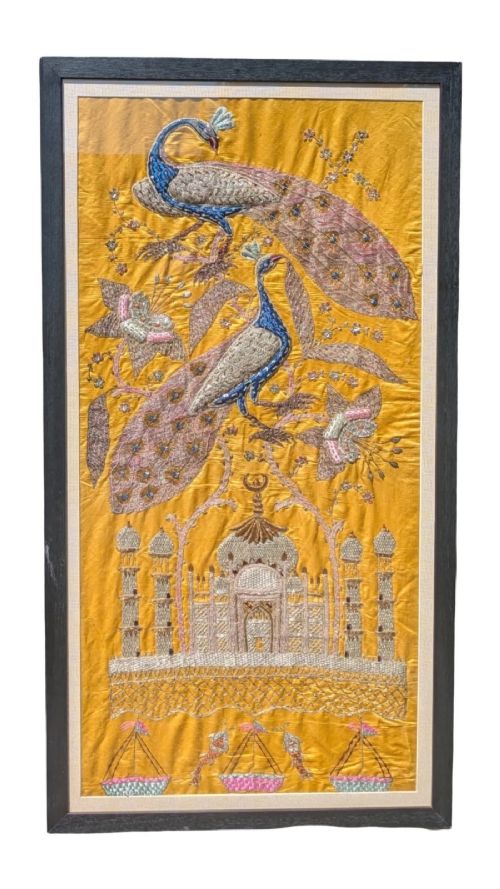
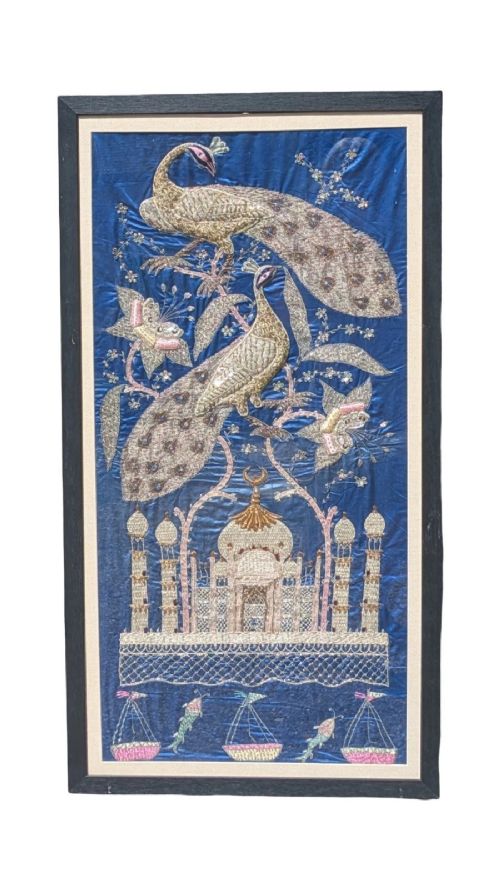
Originating across Britain, continental Europe, and Asia, these framed items include intricate Berlin work, Chinese rank badges, and Central Asian dowry embroideries. Each piece reflects the specific domestic or courtly textile traditions of its period.
Materials and construction
Makers utilised natural substrates including linen, canvas, and wool, worked with silk floss, wool yarn, and metallic thread. These fibrous materials required careful tensioning and mounting to prevent sagging within their original surrounds.
Enclosures frequently incorporate timber mouldings such as burr maple, alongside painted or faux tortoiseshell frames designed to protect delicate textile surfaces from environmental degradation under glass.
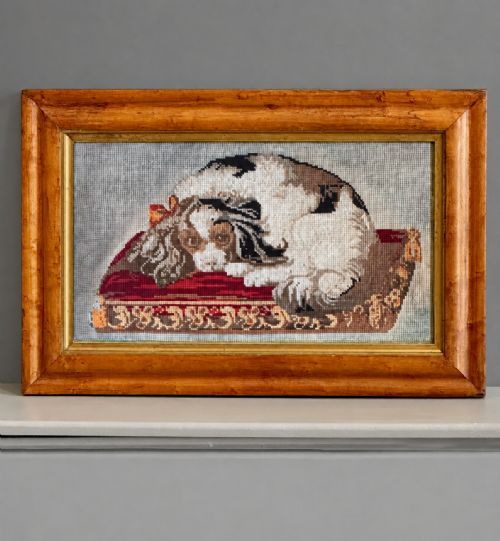
A King Charles spaniel immortalised in Victorian Berlin work gazes out from a burr maple frame, outlasting generations of flesh-and-blood hounds.
Evaluating craftsmanship and condition
Quality rests upon the intricacy of the stitchwork, the complexity of the pictorial composition, and the survival of vibrant original colour within the silk or wool threads. Superior examples display precise needle control and sophisticated tonal shading.
The integrity of the mounting and the retention of period frames significantly influence the character of each piece. Surviving historic glass and original wooden surrounds preserve the textile far better than modern interventions.
Stevens of Coventry
The Antique Textiles Framing Glossary
- Berlin work
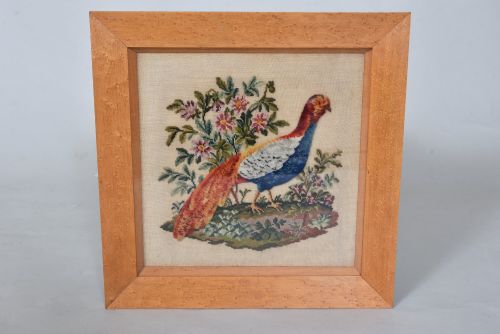
- A type of counted-thread embroidery popular in the 19th century, worked in wool on canvas using patterned grid charts. This technique produced vivid pictorial scenes and animal subjects.
- Sampler
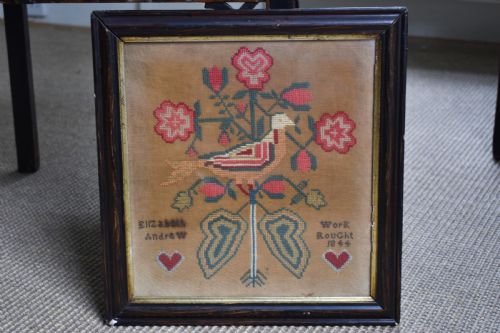
- A piece of needlework demonstrating a maker's proficiency in various stitches, alphabets, or motifs. Dated examples often include the maker's age and name.
- Verdure tapestry
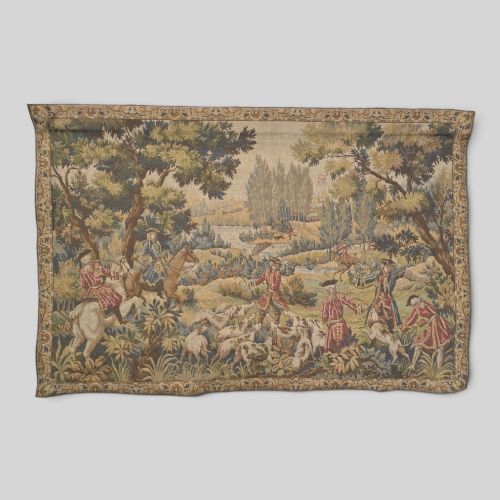
- A woven wall hanging depicting lush foliage, trees, and landscapes, frequently incorporating animal or architectural elements. Surviving fragments are often mounted to linen for display.
- Rank badge
- A square embroidered insignia worn on the robes of Chinese officials to denote civil or military status. These panels utilise fine silk threads and metallic couching.
- Silk floss
- Untwisted silk filaments used for smooth, lustrous embroidery work. It creates a flat, reflective surface found on fine Georgian and Victorian pictorial panels.
Antique Textiles Framing: Frequently Asked Questions
How should I hang framed antique textiles?
Position framed textiles away from direct sunlight and high humidity to protect fragile silk and wool fibres. Consistent indoor climates prevent the degradation of organic materials behind glass.
Ensure sturdy wall fixings support the weight of timber frames, particularly those housing dense needlework panels or large tapestries.
What periods do these framed textiles cover?
The available selection spans from the 17th century through to the early 20th century, encompassing Stuart, Georgian, and Victorian eras. Earlier pieces often feature classical embroidery and verdure fragments.
Later Victorian and 1900s examples frequently include samplers, silk ribbon bookmarks, and Asian export textiles mounted in period wood frames.
Are the frames original to the pieces?
Many items retain their period surrounds, such as burr maple or faux tortoiseshell frames dating from the 19th century. Original framing provides important context regarding the history of the textile's display.
Some fragile panels require modern conservation mounting beneath glass to ensure the historic fabric remains stable against the backing material.
What types of embroidery will I find?
The category includes wool work, silk needlepoint, cross-stitch samplers, and intricate metallic thread embroideries. Subjects range from botanical studies and sporting scenes to heraldic panels and traditional maps.
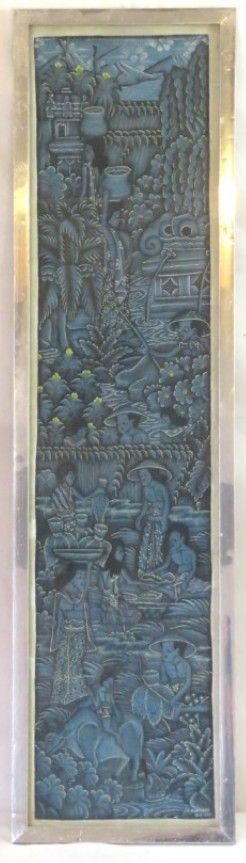
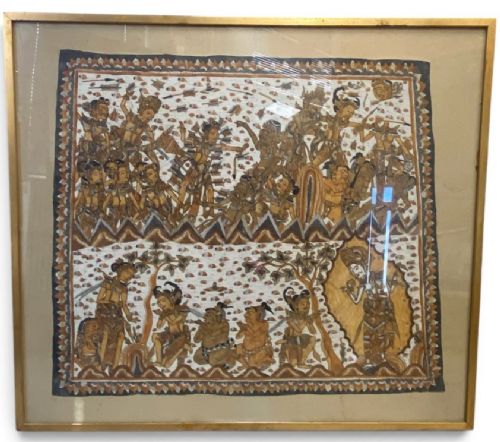
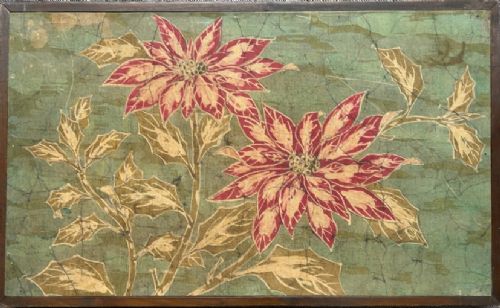
International examples feature Chinese silk rank badges, Central Asian tribal dowry hangings, and Balinese painted textiles depicting mythological narratives.