

Antique Textile Rug
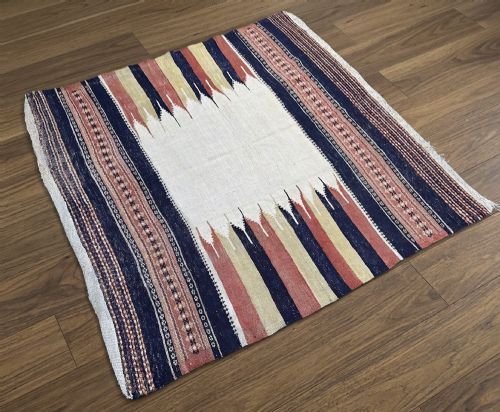
When searching for an antique textile rug, collectors encounter tribal weavings, horse covers, and storage bags originating from Central Asia and Persia.
Antique Textile Rug
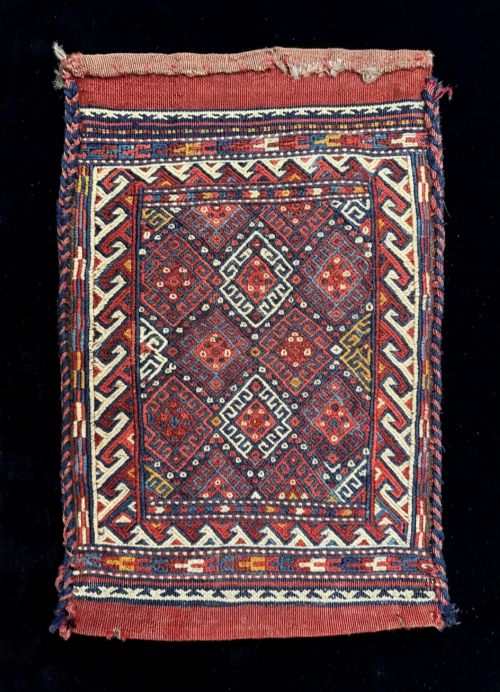
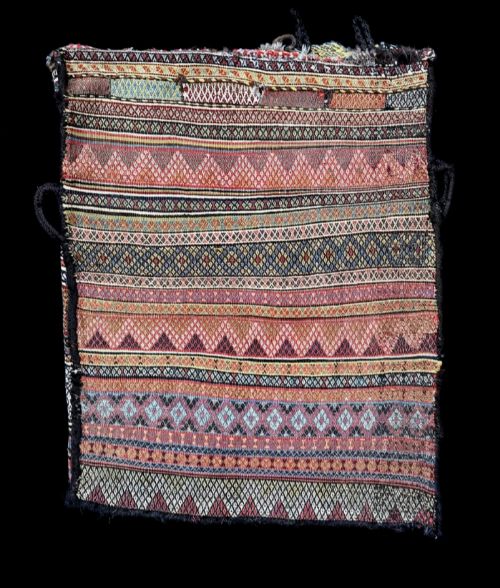
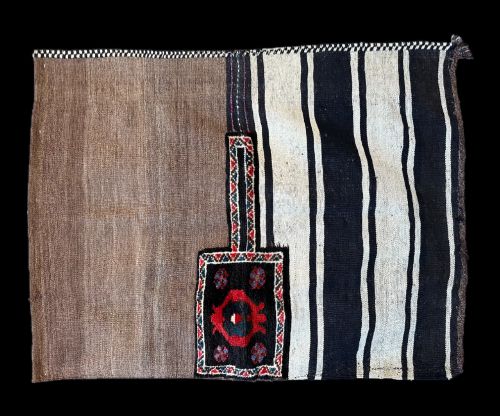
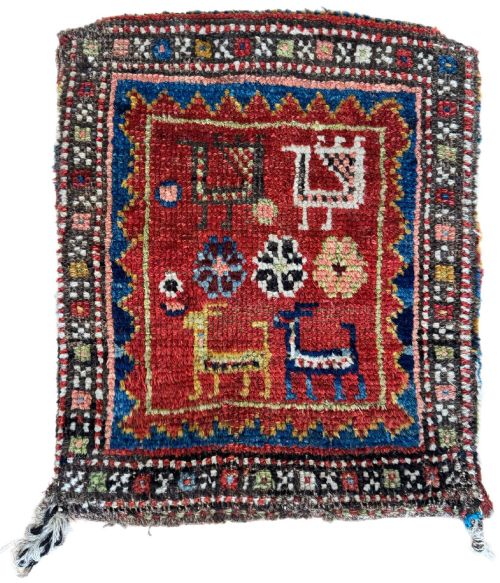
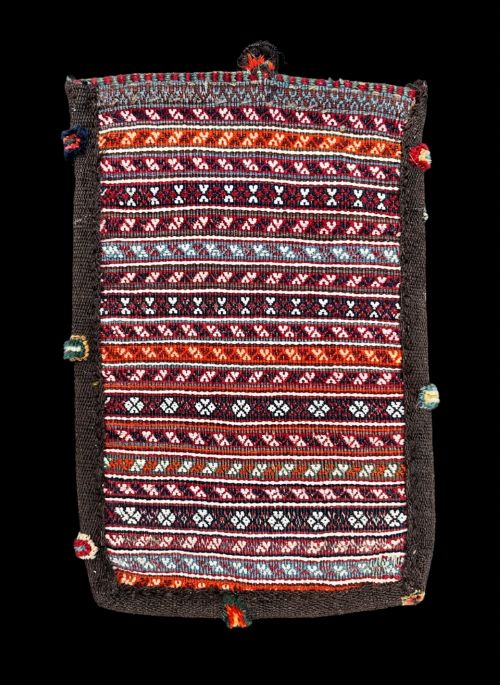
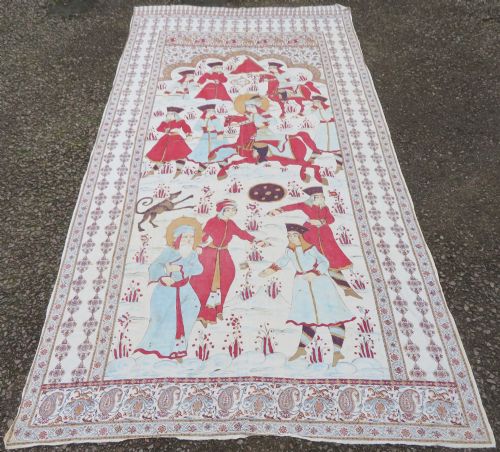
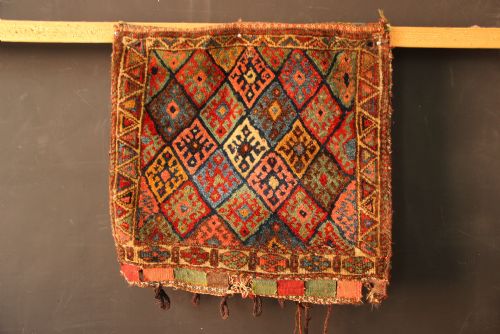
Pieces searched under the heading of an antique textile rug span nomadic and tribal formats, including wall hangings, dowry embroideries, and ceremonial horse blankets. The selection frequently includes utilitarian household objects such as saddle bags, storage bags, and vanity bags produced by tribal groups.
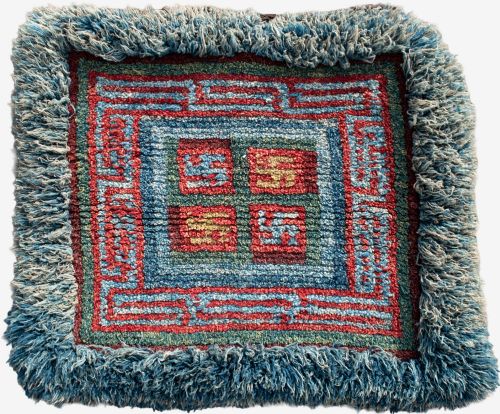
The material origins trace predominantly to Central Asian and Persian confederacies, alongside examples from Eastern Europe and India. Forms range from large floor rugs and bed covers down to small salt-bags and spindle-bags.
Buyers meet nineteenth and early twentieth-century examples representing distinct regional weaving traditions. The items combine flatweave and pile construction with varied embroidery techniques.
How they were made
Nomadic and village makers utilised locally sourced materials, predominantly hand-spun wool, felted wool, and cotton foundations. Silk threads and natural dyes provided the palette for intricate surface decoration.
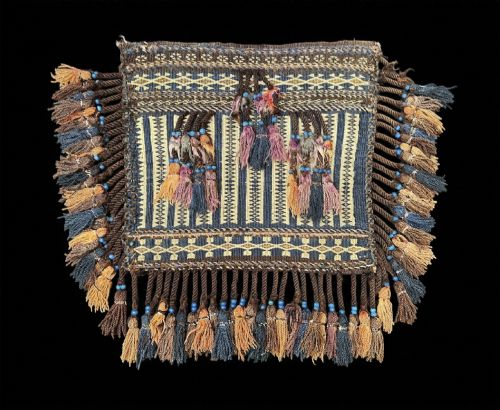
Embroideries and tapestries relied on specialised needlework applied to wool, cotton, or felt backings. Certain utilitarian items incorporated structural additions such as glass beads for ornamentation.
Antique Textile Rug Retail Price Guide 2026
Typical asking prices for textile rug among the pieces listed under this phrase on Sellingantiques today, from the lower quarter to the upper quarter. They describe what is for sale here now, not the wider market.
The listings span from the mid-nineteenth century to the early twentieth century, utilising wool, cotton, silk, and natural dyes.
What varies in quality
The visual strength of a piece rests on the handling of natural dyes and the precision of the tribal motifs. Intricate designs executed with balanced proportions indicate higher workshop skill.
Material integrity depends on the quality of the original wool and the tightness of the weave or embroidery stitches. Pieces retaining their structural fastenings and complete borders demonstrate greater preservation.
The Antique Textile Rug Glossary
- Suzani
- An embroidered hanging originating from Central Asia, often worked with floral or architectural motifs on a cotton foundation.
- Asmalyk
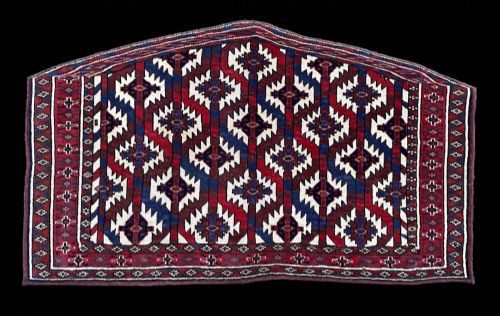
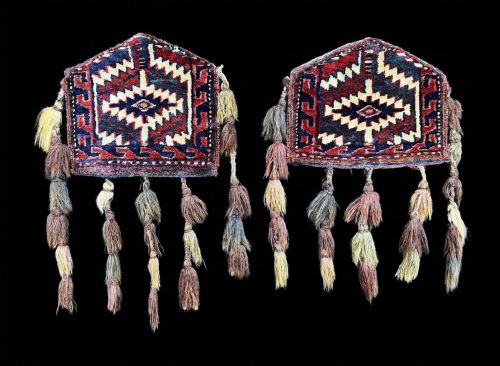
- A ceremonial pentagonal trapping associated with Turkmen weddings, traditionally hung on the flanks of a bride's camel.
- Uut Kap
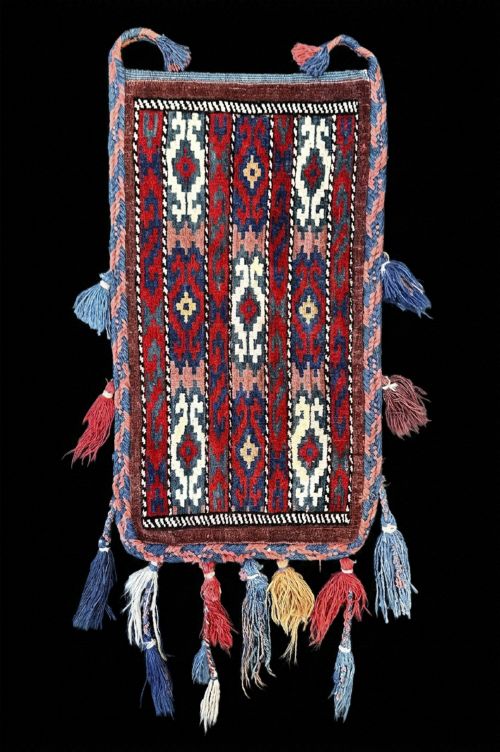
- A storage bag produced by Central Asian tribes, used domestically inside a yurt for holding household items.
- Jollar
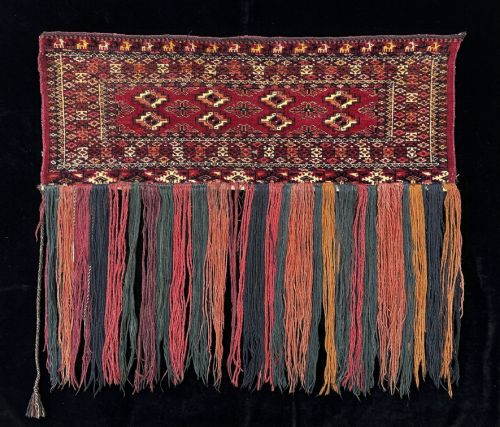
- A long, rectangular Turkmen storage bag used inside nomadic tents.
- Palampore
- A large, decorative bed cover or hanging, historically associated with Indian textile traditions.
- Tacheh
- A woven square storage container or cover made by nomadic groups in Western Persia.
Antique Textile Rug: Frequently Asked Questions
What is a tribal saddle rug?
These woven pieces served practical functions in nomadic daily life, placed beneath saddles or used as pack animal covers.
Over time, many surviving examples transitioned into decorative items appreciated for their tribal geometry and craftsmanship.
How were storage bags used?
Nomadic groups utilised small bags such as salt-bags and vanity-bags to hold personal possessions and household goods inside tents.
These functional objects featured portable dimensions and durable wool construction designed for nomadic movement.
Where do Uzbek embroideries originate?
Central Asian tribal groups, particularly the Lakai, produced distinct embroidered dowry items and wall hangings.
These textiles utilised silk threads on cotton or wool grounds, showcasing dense needlework and vibrant natural dye palettes.
How can I identify Turkmen trappings?
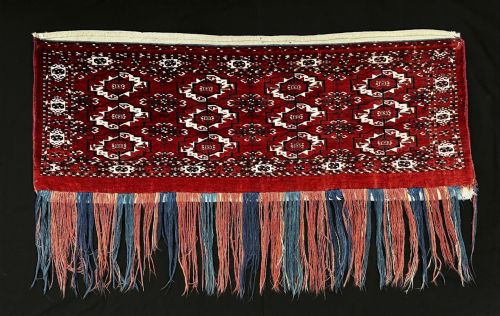
Turkmen pieces frequently employ deep red grounds paired with characteristic geometric guls and ceremonial formats.
Items such as kap and asmalyk served specific ritual roles during tribal weddings and communal celebrations.