



Antique Tete a Tete
An antique tete a tete offers two people a clever place to sit face-to-face, combining intimacy with formal Victorian architecture.
Antique Tete a Tete
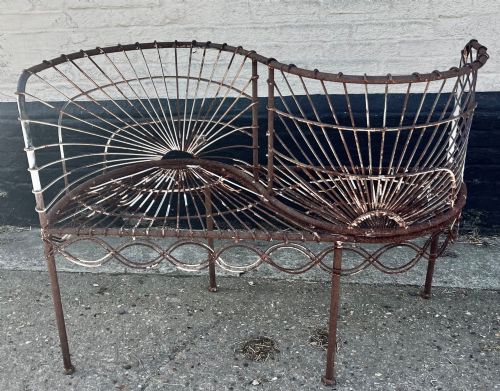
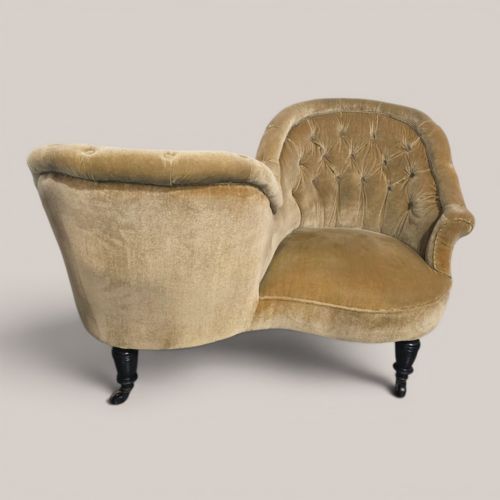
When you search for an antique tete a tete, you encounter specialised seating forms designed for close conversation without awkward angles. The most frequent iteration on this page is the Victorian conversation seat or sofa, often built with walnut, rosewood, or fruitwood frames.
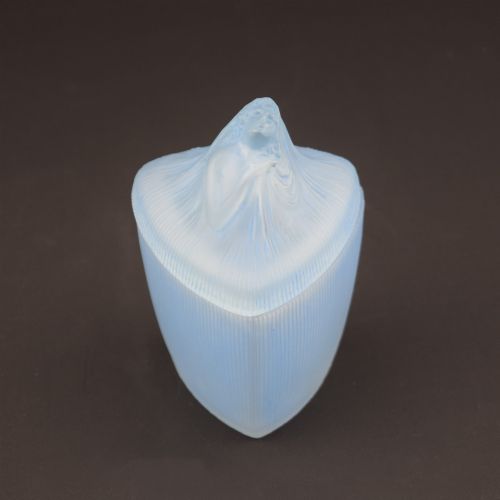
Beyond upholstery, the search encompasses porcelain tea services, frosted glass powder boxes, and small brass lamps sharing the same intimate designation. These pieces span from eighteenth-century Georgian and Italian giltwood creations to twentieth-century Art Deco glass objects.
The layout of a conversation seat allows two sitters to face opposite directions while sharing a single unified structure. Walnut and rosewood frames from the nineteenth century dominate the furniture selection, frequently featuring deep buttoning and turned wooden supports.
Materials and construction
Makers shaped structural elements from hardwoods including walnut, rosewood, fruitwood, and giltwood, applying hand carving and barley twist turning to the wooden frames. Upholstered pieces rely on deep buttoning techniques over fabric, velvet, or leather to secure the padding.
Glass items utilise moulding techniques seen in frosted glass powder boxes and car mascots, while metalwork employs brass and crystal for lighting fixtures. Porcelain items involve hand painting over glazed ceramic bodies, notably demonstrated by eighteenth-century manufactory pieces.
Antique Tete a Tete Retail Price Guide 2026
Typical asking prices for tete a tete among the pieces listed under this phrase on Sellingantiques today, from the lower quarter to the upper quarter. They describe what is for sale here now, not the wider market.
Some tête-à-tête seating arrangements were built with such acute angles that polite eighteenth-century gossip required practically whispering directly into your companion's ear.
Markers of distinction
Quality rests in the crispness of the hand carving on the wooden frames and the structural integrity of the joined seating compartments. Superior examples maintain firm joinery across complex, multi-directional sofa frames without movement in the central joints.
The refinement of the upholstery work, the selection of dense rosewood or walnut timbers, and the provenance of porcelain or glass components elevate certain pieces above standard production. The harmony between the turned supports, such as barley twist legs, and the carved crests defines the best examples.
Rene Lalique·Russian Imperial Porcelain Manufactory
The Antique Tete a Tete Glossary
- Conversation seat
- A multi-directional upholstered seat designed for two people to sit facing different directions while remaining adjacent. These pieces are also known by the French term tete a tete or as courting sofas.
- Barley twist
- A spiral turning technique applied to wooden furniture legs and uprights. This decorative shape involves cutting a helical twist into the timber.
- Deep buttoning
- An upholstery method where tufting buttons are pulled deep into the padding to create a diamond pattern. This technique secures internal stuffing while adding texture to leather and fabric surfaces.
- Giltwood
- Timber coated with a thin layer of gold leaf or gilt powder. This finish appears frequently on eighteenth-century decorative frames and furniture.
- Chaise longue
- An upholstered chair with a long seat that supports the legs, bridging the form of a chair and a day bed.
Antique Tete a Tete: Frequently Asked Questions
What is an antique tete a tete used for?
An antique tete a tete serves as intimate seating for two people, allowing conversation without requiring sitters to turn their heads. The S-curved or opposing configuration lets occupants face each other comfortably in a parlour or drawing room.
Beyond furniture, the term applies to paired items like small tea services and matching table lamps designed for two users. These objects reflect a social history centred on polite dialogue and shared domestic rituals.
How do I identify a Victorian conversation seat?
Victorian conversation seats usually feature heavy timber frames made of walnut or rosewood, often enhanced with deep buttoned upholstery. Look for structural elements like barley twist wooden supports and hand-carved ornamentation typical of nineteenth-century craftsmanship.
These pieces integrate multiple backrests joined into a single central axis, creating a cloverleaf or serpentine footprint. Their substantial weight and dark wood patination distinguish them from lighter revival pieces.
Are all tete a tete items furniture?
No, the phrase encompasses various decorative and functional objects designed for pairs. The evidence includes porcelain coffee services, frosted glass powder boxes, crystal table chandeliers, and carved car mascots alongside seating.
The common thread among these diverse objects is their functional pairing or intimate scale, intended for two people or dual use rather than solitary utility.
Where should I place a conversation seat?
A conversation seat functions best as a freestanding centrepiece in a room rather than pushed against a wall. Because the seating faces multiple directions, it requires open floor space to allow access from all sides and to display the carved wooden frame.
Placing the piece away from boundaries highlights its symmetrical architecture and lets sitters utilise all angles of the upholstery.