





Antique Terracotta Bowl
An antique terracotta bowl brings earthy texture and utilitarian grace into a modern interior.
Antique Terracotta Bowl
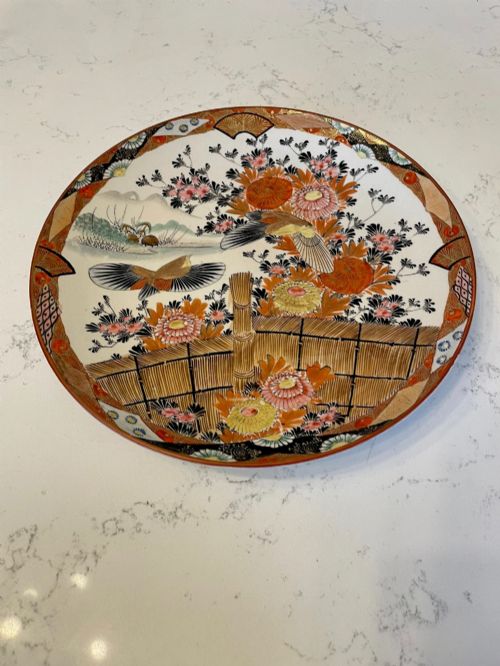
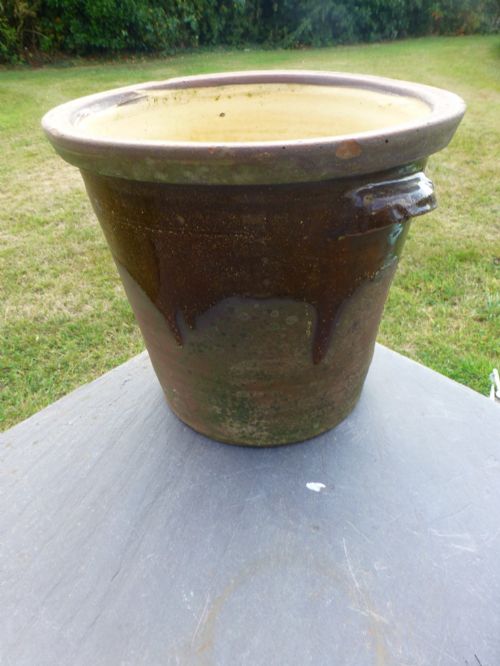
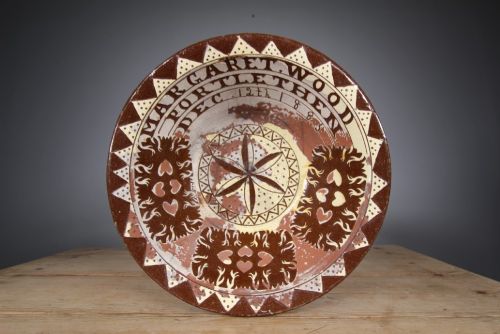
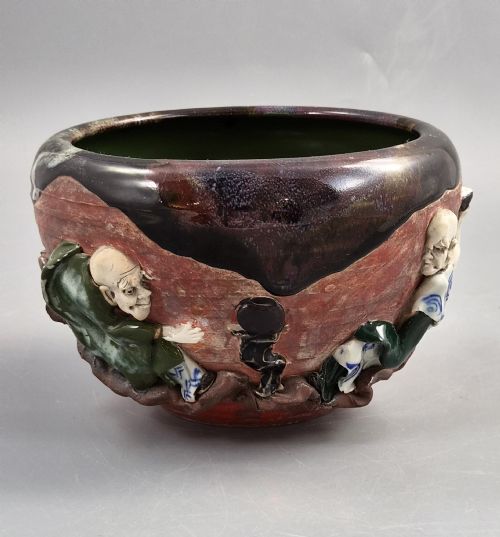
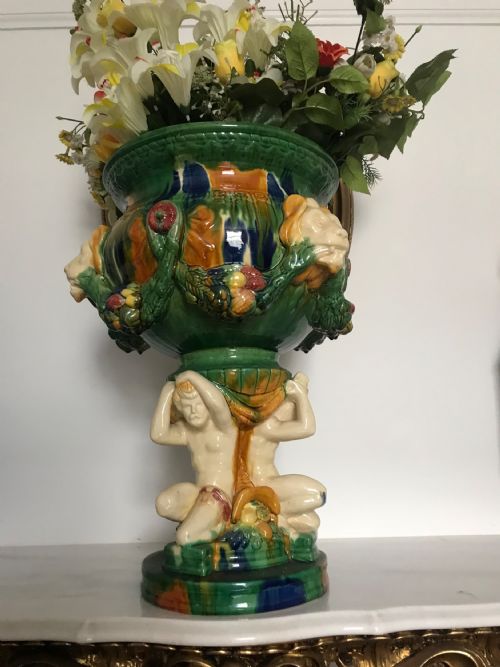
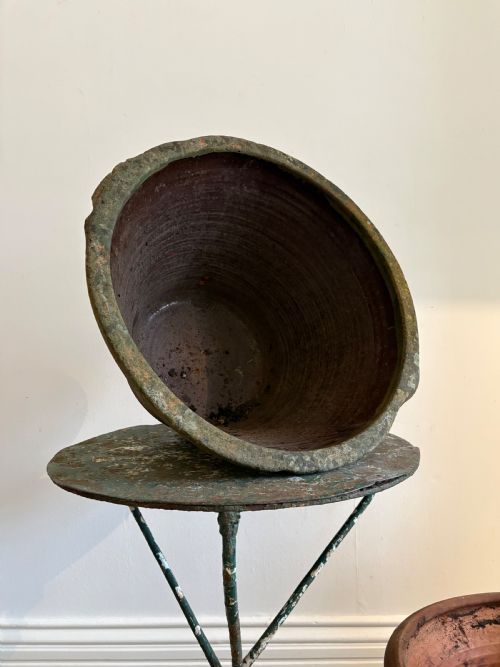
When searching for an antique terracotta bowl, buyers encounter robust utilitarian vessels from the nineteenth century alongside decorative earthenware and glazed horticultural forms. These utilitarian pieces range from large dairy bowls and salting crocks to garden pancheons designed for heavy everyday use in country homes and farmhouses.
The nineteenth-century examples dominate the selection, often featuring generous diameters and practical interior glazes to contain liquids and foodstuffs. Alongside British country pottery, the listings incorporate wider historic earthenware traditions spanning earlier centuries and diverse regional workshops.
How they were made
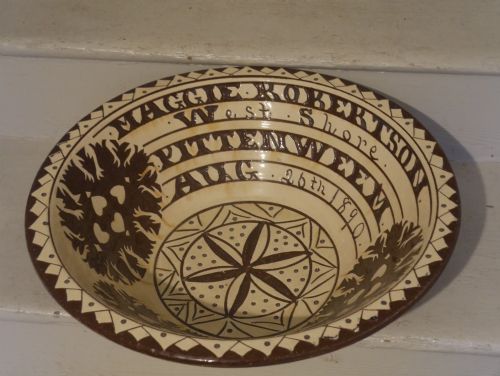
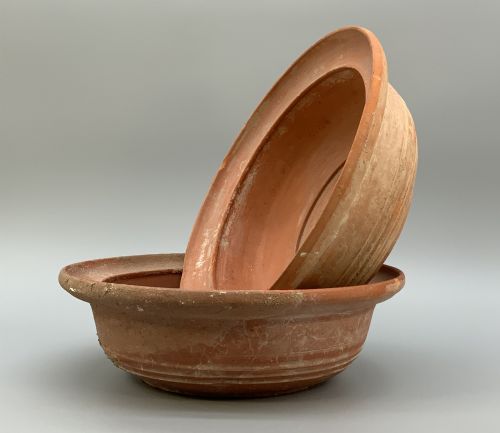
Potters shaped these vessels from porous clay bodies, firing the earthenware at relatively low temperatures to achieve the characteristic warm, reddish-brown terracotta substrate. Many utilitarian bowls received a partial lead glaze or slip interior to ensure the porous walls could hold dairy or water without seeping.
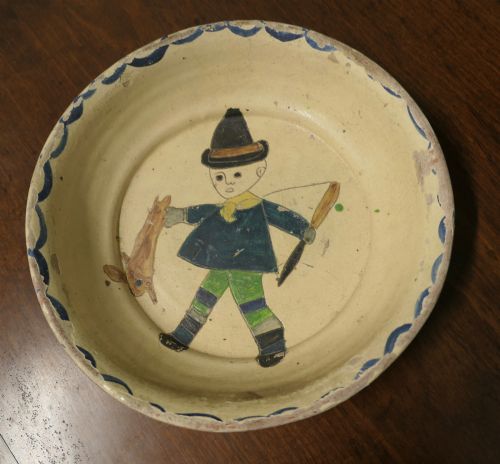
Forming was primarily functional, relying on sturdy thrown walls designed to withstand daily farm work, while decorative variations introduced slip-painted motifs or rich green glazes. The physical evidence shows tool marks and throwing rings that preserve the direct touch of the nineteenth-century maker.
Antique Terracotta Bowl Retail Price Guide 2026
Typical asking prices for terracotta bowl among the pieces listed under this phrase on Sellingantiques today, from the lower quarter to the upper quarter. They describe what is for sale here now, not the wider market.
Several dairy bowls retain faint splashes of old farm cream from generations ago.
What varies in quality
Quality in these utilitarian earthenwares rests upon the integrity of the surviving body and the pleasing distribution of any glaze. A heavier, well-thrown rim with minimal structural compromise commands greater appreciation among collectors than a heavily battered piece with extensive losses.
The depth of colour in the terracotta and the smoothness of the interior lead glaze distinguish standard utility vessels from those with superior decorative presence. Patina accumulated from decades of agricultural use adds character, provided the underlying ceramic fabric remains stable.
The Antique Terracotta Bowl Glossary
- Terracotta
- A porous, unglazed or glazed fired earthenware body of a brownish-red colour. It forms the core material for utilitarian garden and dairy vessels.
- Dairy bowl
- A wide, shallow earthenware vessel used historically in farmhouses for setting milk to rise so the cream could be skimmed. These pieces often feature a glazed interior.
- Slip
- A liquid mixture of clay and water applied to the surface of pottery before firing for decorative effect. It creates contrasting linear patterns on the vessel body.
- Lead glaze
- A glossy coating applied to earthenware to seal the porous clay body. This vitreous layer protected the ceramic from moisture and food acids.
- Pancheon
- A large, shallow ceramic basin used in domestic dairies and kitchens for general washing and food preparation. They are typically heavy and sturdy in construction.
Antique Terracotta Bowl: Frequently Asked Questions
What was an antique terracotta bowl used for?
These vessels served primarily practical purposes in nineteenth-century country kitchens and dairies. They held milk for cream separation, stored salted provisions, or functioned as general wash bowls.
Over time, many of these utilitarian containers transitioned into garden planters and decorative interior basins. Their robust construction allowed them to withstand heavy daily agricultural labour.
How do I care for an old terracotta bowl?
Keep these porous earthenware vessels away from freezing temperatures if used outdoors, as absorbed moisture can cause the clay to flake or crack. Handle them with care due to their weight and historic fragility.
Clean them gently with dry or slightly damp cloths rather than submerging them in water for long periods. This preserves the historic surface and accumulated patina.
Are nineteenth century dairy bowls waterproof?
Many examples feature a lead glaze or slip on the interior surface specifically designed to hold liquids safely. However, the unglazed exterior and base remain porous and can transmit moisture.
Using a liner inside the bowl is advisable if holding fresh water or planting living flora indoors. This prevents dampness from damaging wooden furniture surfaces.
How can I tell a dairy bowl from a planter?
Dairy bowls typically feature wide, shallow profiles with smooth interior glazes designed for skimming milk and easy washing. Planters and salting crocks often present deeper vertical walls and thicker rims to endure heavy handling.
Many garden pancheons and crocks lack interior glazes entirely, whereas dairy vessels prioritized sealed surfaces for hygiene. Both forms share the same sturdy nineteenth-century terracotta construction.