



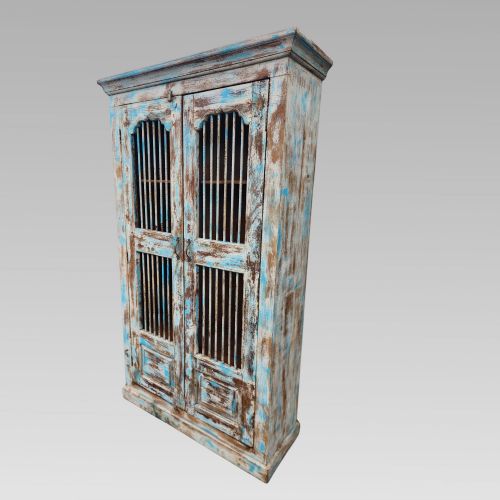

Antique Teak Cupboard
An antique teak cupboard brings robust warmth and rich grain to a room, offering practical storage grounded in colonial history and craftsmanship.
Antique Teak Cupboard
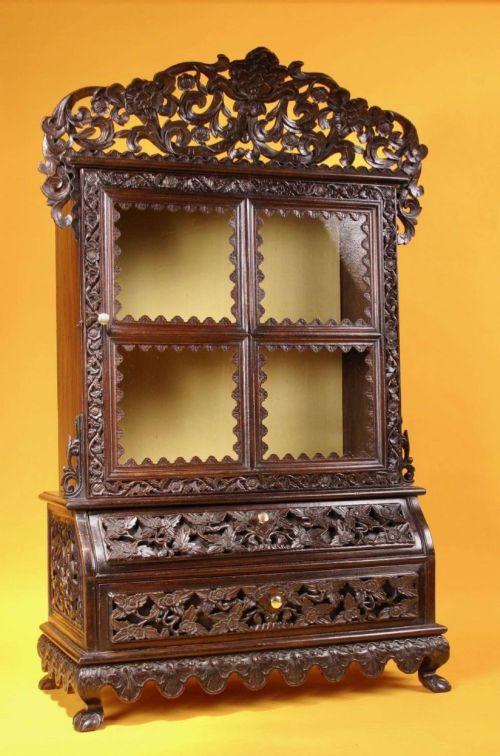
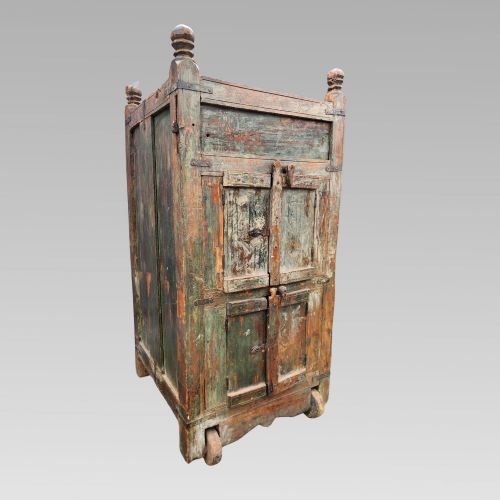
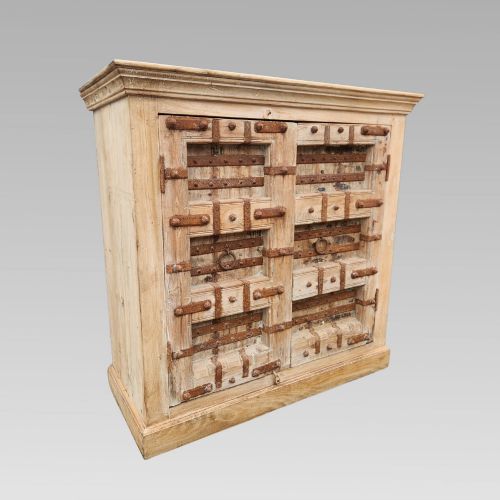
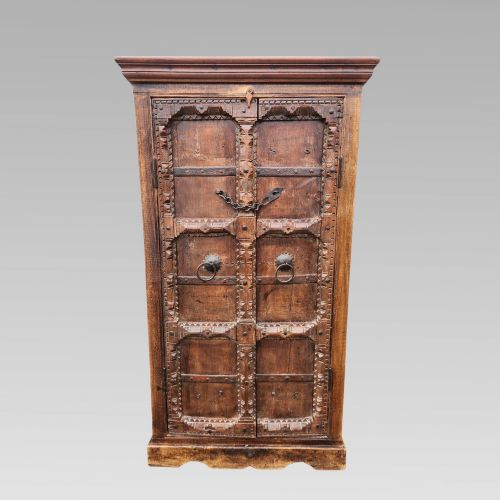
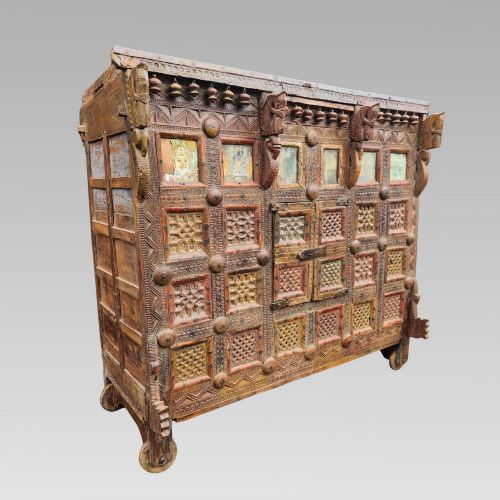
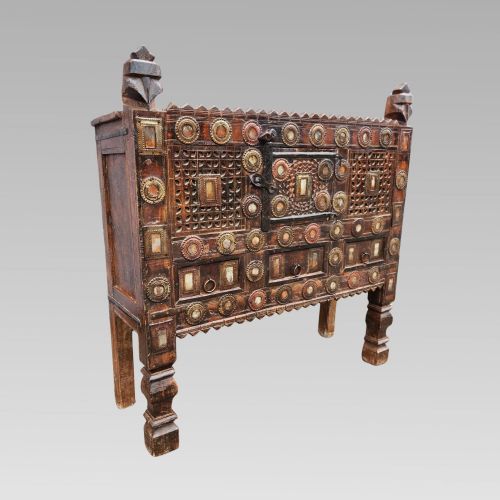
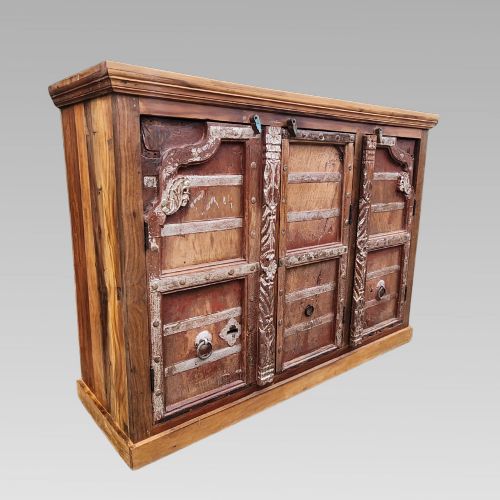
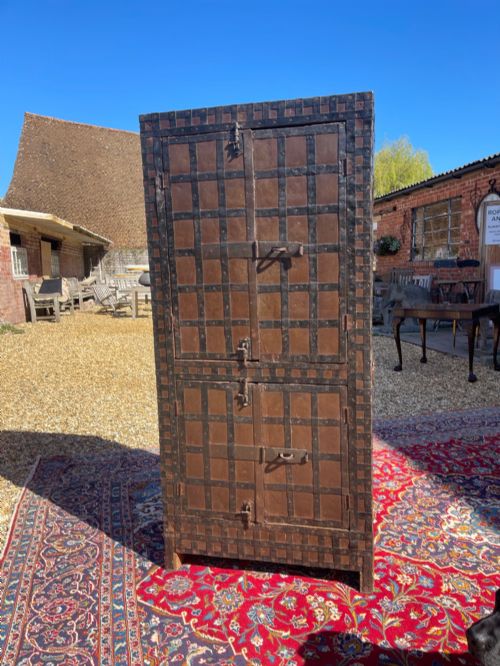
An antique teak cupboard encompasses a range of robust storage furniture originating primarily from nineteenth-century British colonial trade routes, Indian domestic contexts, and Victorian military operations. The examples most frequently encountered on this page include nineteenth-century Anglo-Indian carved cabinets, Indian reclaimed teak storage cupboards, and traditional almirah or damchiya dowry chests.
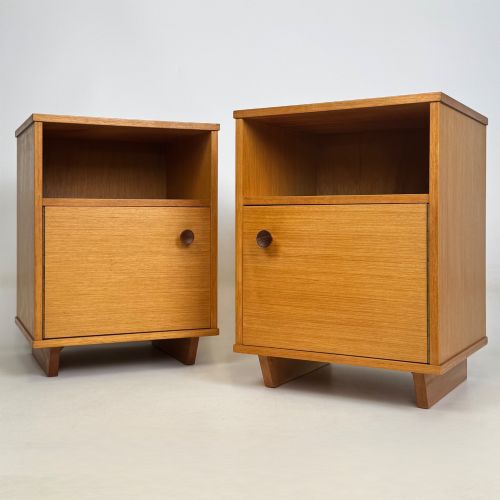
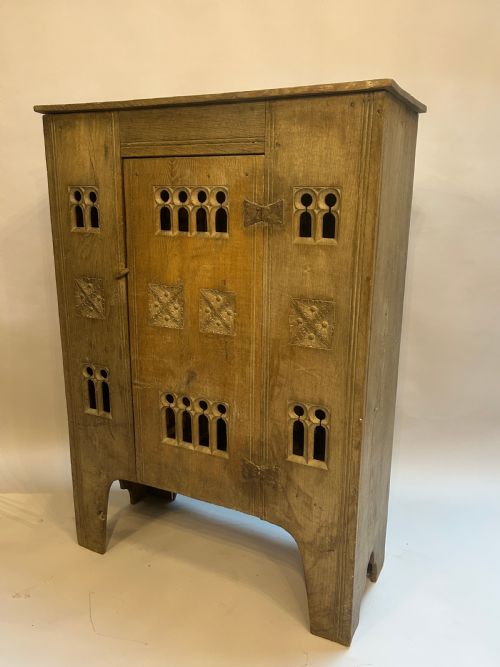
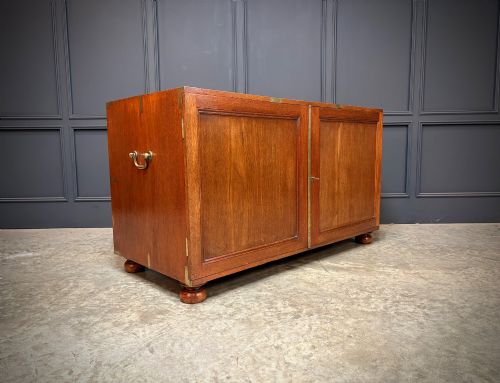
These pieces serve as heavy-duty storage, ranging from multi-drawer cabinets and sideboards to glazed bookcases and campaign chests. Construction styles span from highly ornate Anglo-Indian and Burmese carved surfaces to utilitarian Victorian military campaign designs fitted with brass and iron hardware.
How they were made
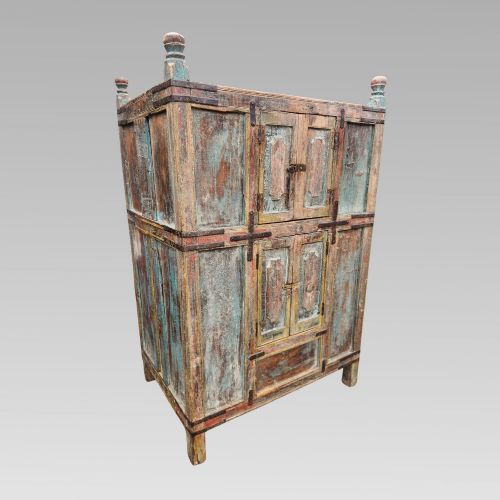
The primary material used across these pieces is dense teak, frequently paired with secondary hardwoods and reinforced with iron or brass straps, handles, and corner brackets. Structural assembly relies on traditional joinery methods suited to tropical hardwoods, while decorative finishes involve detailed hand-carving, painted surfaces, and occasionally glass paneling.
Hardware execution ranges from flush brass fitments designed for travel on Victorian campaign pieces to heavy metal bindings on provincial Indian cupboards. Surfaces are finished to highlight the natural grain of the teak or treated with traditional pigments and patination gathered over decades of domestic use.
Antique Teak Cupboard Retail Price Guide 2026
Typical asking prices for teak cupboard among the pieces listed under this phrase on Sellingantiques today, from the lower quarter to the upper quarter. They describe what is for sale here now, not the wider market.
Several cupboards show evidence of long service as gin cabinets, proving that proper hospitality travelled well across the Victorian empire.
What varies in quality
The distinction between standard examples and top-tier pieces rests on the depth and execution of the hand-carving, the integrity of the original timber, and the sophistication of the hardware. Pieces featuring intricate relief work, untouched patination, and robust structural joinery sit firmly at the higher end of the scale.
Quality also manifests in the proportion and design harmony, such as balanced multi-drawer configurations or well-proportioned architectural cornices. Alterations, replaced hardware, or poorly executed repairs reduce the standing of a piece compared to those retaining their original fittings and structural elements.
The Antique Teak Cupboard Glossary
- Almirah
- A freestanding cupboard or wardrobe used for domestic storage in India. These pieces often feature heavy panel doors and traditional internal shelving.
- Damchiya
- A traditional Indian dowry chest or cabinet characterised by low proportions, carved wooden panels, and specialised compartments for storing household valuables.
- Campaign furniture
- Portable pieces built in sections with recessed brass handles and reinforced corners, designed for easy dismantling and transport by military officers.
- Anglo-Indian
- A descriptive term for furniture made in India during the British colonial period, combining traditional local craftsmanship with European forms.
- Linen press
- A tall cupboard traditionally used for storing folded clothes and linens, typically featuring upper sliding trays or shelves above a lower drawer section.
Antique Teak Cupboard: Frequently Asked Questions
What is an almirah cupboard?
An almirah is a traditional storage cabinet originating in the Indian subcontinent, commonly used for keeping garments and household goods securely.
These pieces often feature substantial timber construction and panelled doors, serving as both functional storage and decorative room elements.
How do campaign cupboards differ?
Campaign cupboards are built in modular sections designed to be packed down and transported easily during military travel.
They are instantly recognised by their flush brass handles, protective metal corners, and sturdy construction using dense hardwoods like teak.
Where were Anglo-Indian pieces made?
Anglo-Indian furniture was manufactured in workshops across the Indian subcontinent and regions such as Burma and Ceylon during the nineteenth century.
Local artisans combined indigenous carving techniques with British furniture forms requested by colonial residents.
How do I care for teak furniture?
Teak is a durable, oily hardwood that requires minimal maintenance beyond dusting with a dry cloth.
Keep the wood away from direct heat sources and sudden humidity shifts to prevent natural movement in the panels over time.