
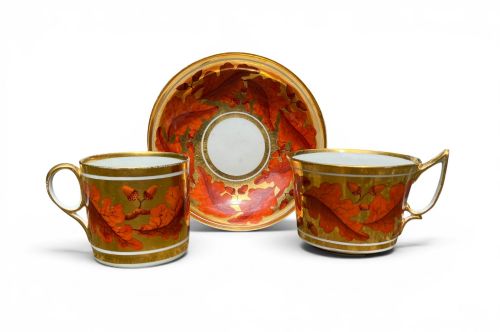


Antique Teacup Trio
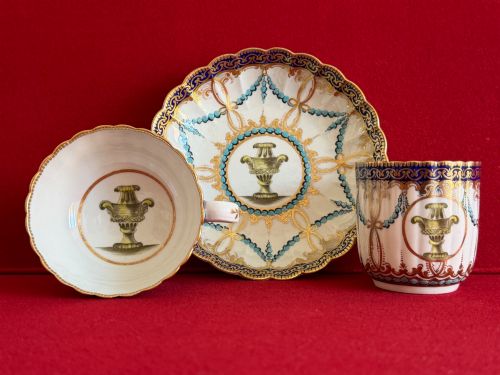
An antique teacup trio brings together a teacup, a coffee cup, and a matching saucer from porcelain traditions spanning the eighteenth and nineteenth centuries.
Antique Teacup Trio
An antique teacup trio comprises three matched ceramic pieces for hot drinks, uniting a teacup, a coffee cup, and a saucer under a single aesthetic. These sets emerge across the eighteenth, nineteenth, and early twentieth centuries in forms spanning Georgian restraint through Victorian and Edwardian ornamentation.
The versions most commonly met on this page date from the Regency and nineteenth-century periods in England, featuring porcelain or bone china bodies. Makers ranging from major factories to specialised works produced these groupings for formal tea and coffee service.
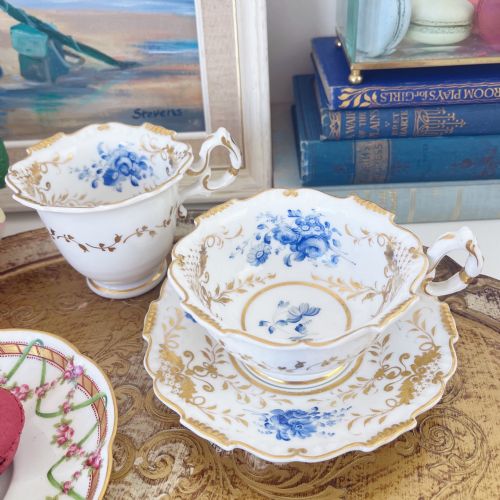
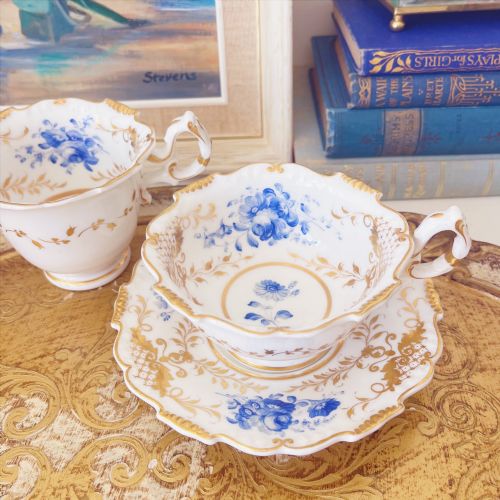
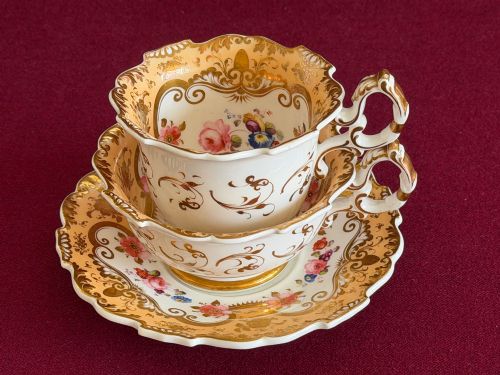
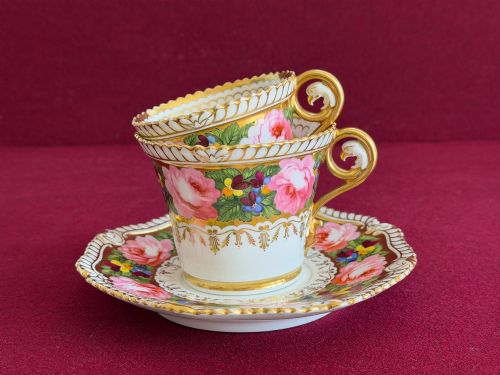
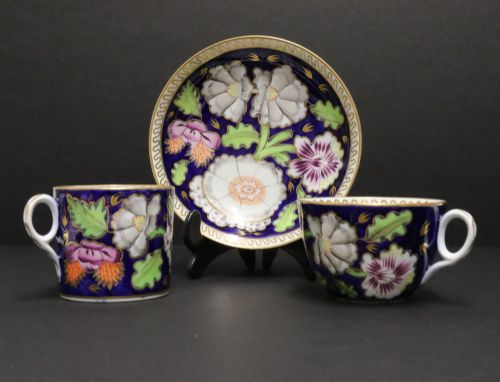
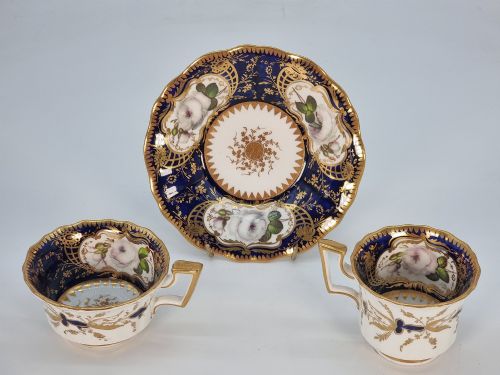
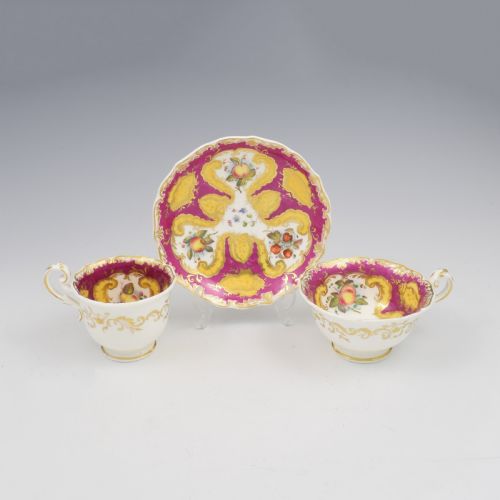
Collectors encounter both true trios, which pair a taller coffee cup with a shorter teacup and saucer, and variations incorporating side plates. Handpainted motifs and gilt accents frequently define the surface decoration across these historical groupings.
How they were made
Potters shaped these sets from porcelain and bone china using historical throwing and moulding techniques before applying enamel glazes. Kiln firing fixed the ceramic body prior to the meticulous application of handpainted details.
Gilding and gold leaf enhancement required secondary firings to fuse precious metals to the porcelain surface. Artisans utilised enamel pigments to create floral scenes, animal patterns, and intricate borders across the cups and saucers.
Early nineteenth-century makers occasionally named patterns after farm animals, leaving modern collectors pondering whimsical titles like the crazy cow.
What varies in quality
The refinement of the porcelain paste and the thinness of the thrown body set exceptional pieces apart from heavier utilitarian wares. Superior manufacturing shows in the flawless translucency of the china and the precise registration of moulded forms.
Artistic execution on the painted surface dictates the upper tier of quality, measured through brushwork control and the richness of the gilding. Factory provenance, such as work from documented period manufacturers, further distinguishes finer cabinet pieces from standard production.
H and R Daniel·Chamberlain Worcester·Newhall·Coalport John Rose·Derby·Royal Worcester·Davenport·Minton·Spode·Wileman Foley Shelley·Brown Westhead and Moore·Ridgway·Copelands China·Rockingham·Gladstone Potteries
The Antique Teacup Trio Glossary
- True trio
- A matching set comprising a teacup, a taller coffee cup, and a saucer. This configuration originates in the eighteenth and early nineteenth centuries when tea and coffee required distinct vessel shapes.
- Porcelain
- A white, vitrified ceramic material made from china clay and petuntse. It fires at high temperatures to achieve a dense, impermeable, and often translucent body.
- Bone china
- A type of porcelain incorporating animal bone ash into the clay body. This addition increases strength, allows for thinner walled vessels, and produces a warm milky white tone.
- Gilding
- The application of gold leaf or gold paint to ceramic surfaces. Artisans use this technique to highlight moulded rims, handles, and painted motifs.
- Enamel glaze
- A vitreous composition fused to the ceramic body during firing to provide colour and protection. Handpainted enamels sit atop or beneath this glossy coating depending on the factory method.
Antique Teacup Trio: Frequently Asked Questions
What makes a set a true trio?
A true trio includes a teacup, a coffee cup, and a matching saucer.
Coffee cups in early nineteenth-century sets were often taller and narrower than teacups, reflecting the distinct ways tea and coffee were served at the time.
How do I date an antique teacup trio?
Dating relies on paste composition, shape characteristics, and factory marks found on the underside of the saucer.
Earlier eighteenth-century pieces display different porcelain bodies and handle forms compared to Victorian or Edwardian bone china sets.
Can I use my antique trio for daily tea?
These historical ceramics are delicate and often feature handpainted enamels or delicate gilding that can wear with frequent use.
Many collectors prefer to display cabinet pieces or use them only on special occasions to preserve the antique surfaces.
What is blush ivory porcelain?
Blush ivory refers to a soft, matte cream-coloured ceramic ground popularized by factories like Royal Worcester in the late nineteenth century.
This finish provides a subtle background for handpainted floral decoration and raised gold gilding.