



Antique Tea Ware
These antique tea ware pieces bring centuries of hospitality and craft into daily life, offering everything from caddies to teapots.
Antique Tea Ware
When you search for antique tea ware, you examine items used to store, brew, and serve tea across past centuries. The selection spans utilitarian vessels and decorative accessories tied to the ritual of tea drinking.
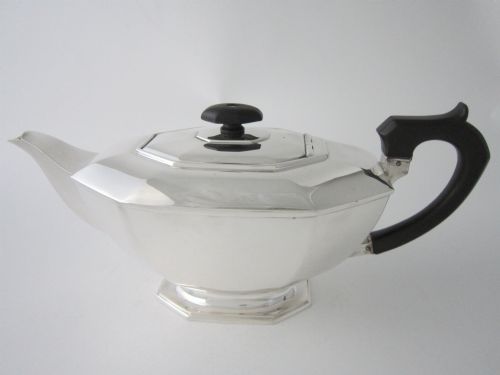
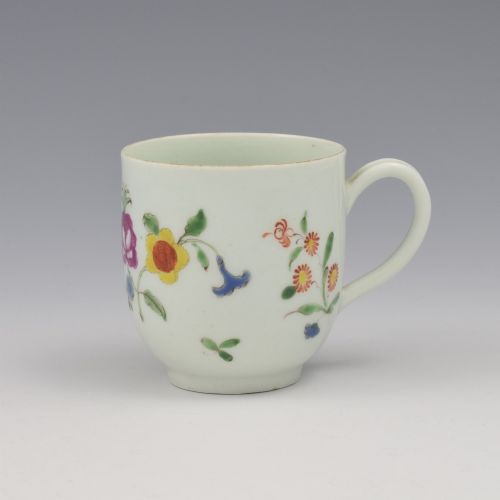
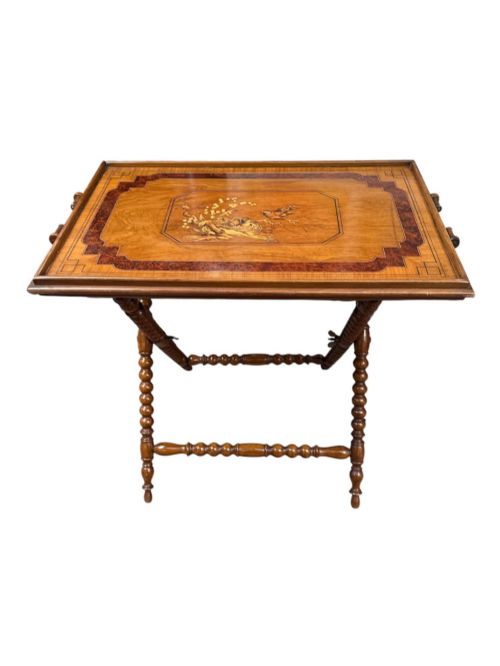
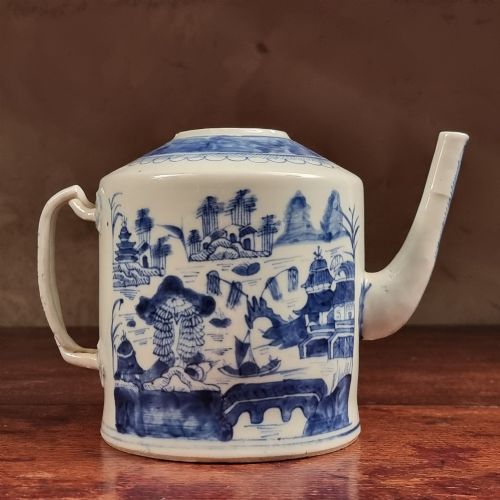
You meet various forms on this page, including tea caddies, teapots, spirit kettles, samovars, trays, and cups. These pieces originate from British, European, and Asian makers across the Georgian, Victorian, and Edwardian periods.
The assortment ranges from small porcelain cups to large walnut caddies with fitted interiors and marquetry. Each object reflects the social customs and material culture of its specific era of production.
Materials and techniques
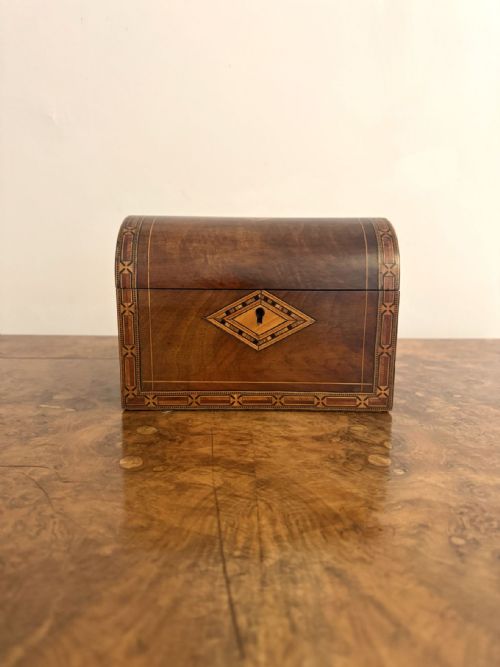
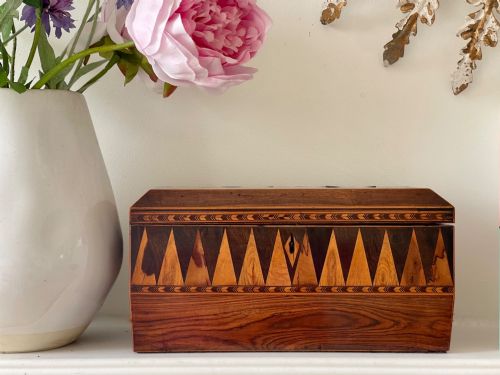
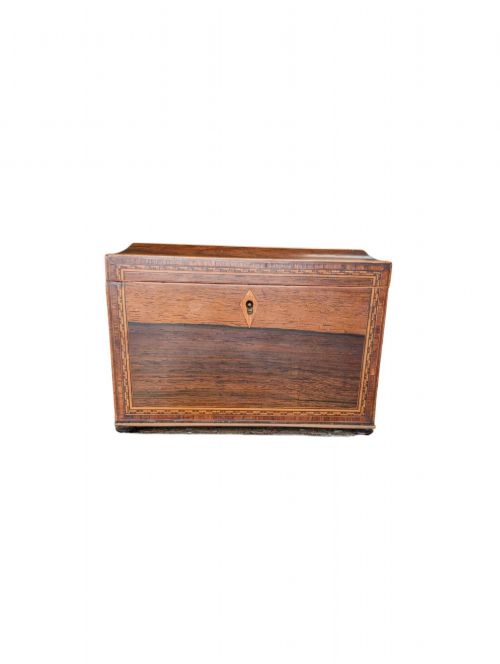
Pottery and porcelain pieces utilise earthenware, pearl ware, and hard-paste ceramic bodies decorated with underglaze prints, enamel, and gold leaf. Woodwork relies on walnut, rosewood, and brass hardware, frequently enhanced with intricate Tunbridge inlay, marquetry, and parquetry.
Metal items employ sterling silver, silver plate, copper, brass, tôle ware, and japanned iron. Craftspeople combined forming, casting, and hand-finishing techniques to create functional containers, kettles, and trays.
The inventory spans the Georgian, Regency, Victorian, Edwardian, and Meiji periods.
Factors in quality
The skill of the maker and the precision of the assembly separate standard vessels from exceptional works. In wood pieces, the complexity and tightness of the Tunbridge mosaic work dictate the refinement of the item.
For ceramics and metalware, the clarity of the glaze, the delicacy of hand-painted enamels, and the structural integrity of mounts and stands determine the standing of the piece.
Richard Chaffers·Benetfink and Co·Henry Hollamby·Ishiguro Kōko·Copeland Spode·William Moorcroft·Macintyre·Taniguchi·W. Hackwood·Wedgwood·Tokyo Taizan
The Antique Tea Ware Glossary
- Tea caddy
- A small box or container originally designed to hold tea leaves securely under lock and key. These boxes often contain fitted interior compartments and mixing bowls.
- Tunbridge ware
- A form of decorative woodwork originating from Kent, characterised by mosaic patterns assembled from tiny coloured wood prisms. It frequently adorns the exteriors of Victorian boxes and tables.
- Spirit kettle
- A water kettle mounted on a metal stand with an integrated spirit burner underneath. This setup allowed water to remain hot at the tea table.
- Samovar
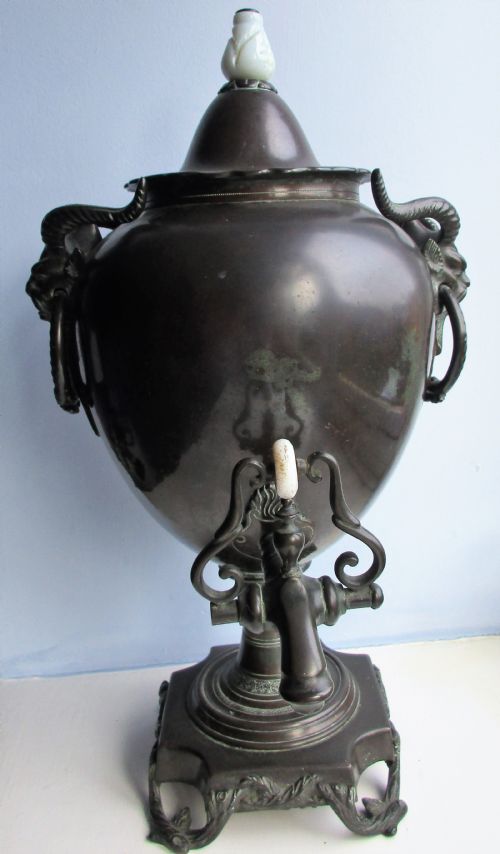
- A heated metal urn traditionally used to boil water for tea. Large examples often feature spigots and elaborate japanned or metal finishes.
Antique Tea Ware: Frequently Asked Questions
What is a tea caddy used for?
A tea caddy served to store dry tea leaves safely in a time when tea was an expensive and heavily taxed commodity. Boxes often featured lockable lids to prevent servants or guests from taking the leaf.
Inside, compartments separated different varieties of tea, which owners blended to personal taste. Some caddies included small glass or ceramic bowls for mixing the leaves before brewing.
How do spirit kettles work?
Spirit kettles sit above a small fuel burner on a metal stand, allowing hot water to stay ready during long tea services. Users filled the kettle and lit the burner beneath to maintain the water temperature at the table.
This setup saved hosts from returning to the kitchen for fresh boiling water. The stands often featured folding legs or carrying handles for ease of movement.
What is Sorrento ware?
Sorrento ware refers to decorative wooden items featuring marquetry and parquetry made in the Italian town of Sorrento. Craftsmen used various native and exotic woods to create intricate pictorial scenes and geometric borders.
These techniques decorated small tables, butler trays, and decorative boxes popular with travellers on the Grand Tour. The wood pieces showcase natural tones without relying on heavy paint.
How can I identify a samovar?
A samovar is a large metal urn fitted with a central internal heating tube and a spigot at the base. They were used to heat and boil large quantities of water for social gatherings.
Victorian examples often utilised japanned iron or tôle ware finishes with brass taps. Their scale makes them visually distinct from standard teapots and kettles.