
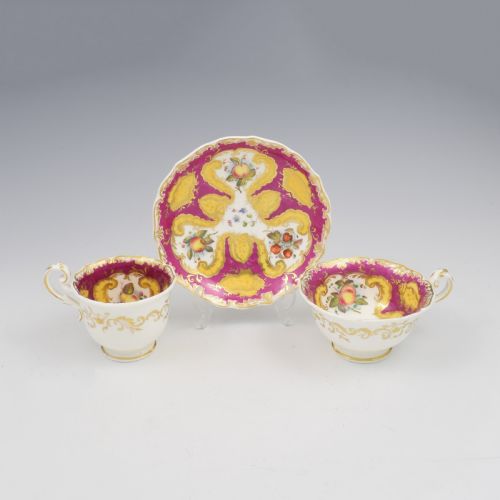


Antique Tea Trio Set
An antique tea trio set brings together a cup, coffee cup and saucer, offering a complete morning service from Georgian and Victorian parlours.
Antique Tea Trio Set
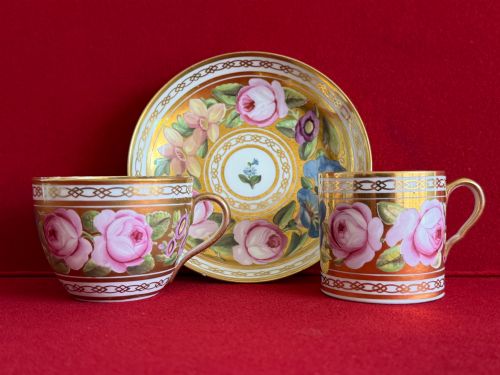
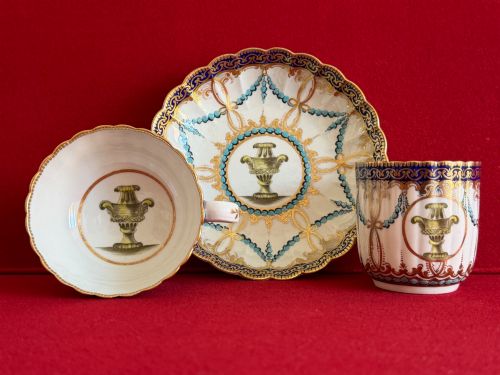
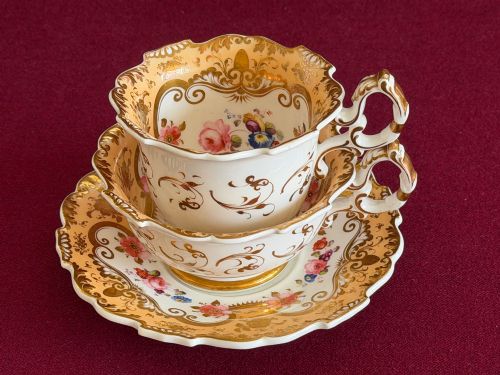
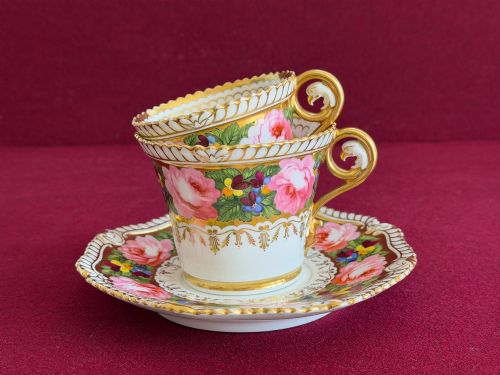
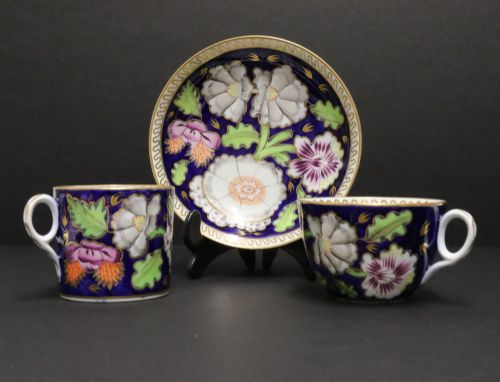
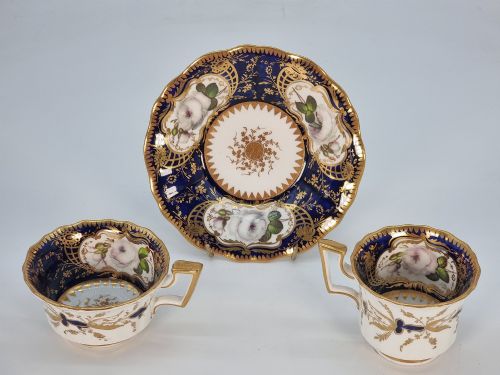
When you search for an antique tea trio set, you are looking at matched groupings of three matching ceramic pieces designed for morning hot drinks. These sets typically include a teacup, a coffee cup and a matching saucer, forming a three-piece service used in British homes since the Georgian era.
On this page, the version you are most likely to meet is an early nineteenth century porcelain cabinet trio. These pieces originate from major English manufactories spanning the Regency, Victorian and Edwardian periods, utilising fine bone china and porcelain.
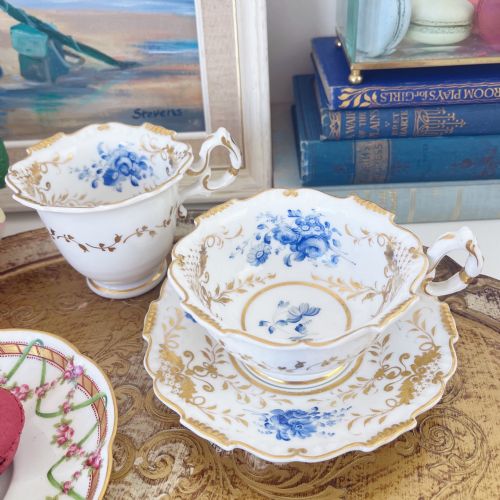
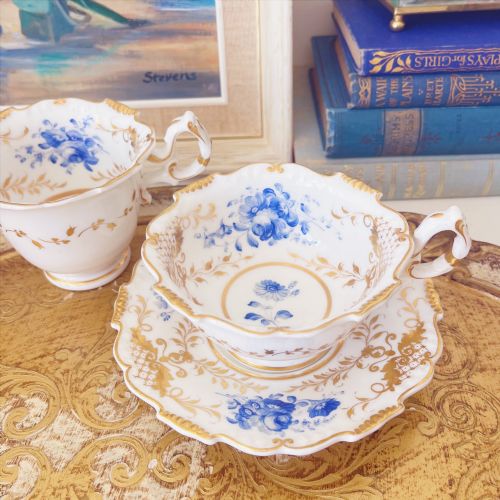
The assortment on offer also extends to larger nineteenth century formations and related tea services. Buyers encounter everything from handpainted Regency porcelain to Edwardian gilt-decorated tea wares.
How they were made
Potters of the eighteenth and nineteenth centuries formed these vessels using porcelain and bone china bodies. Artisans shaped these materials on wheels or pressed them into moulds before firing them in kilns to create hard, durable ceramic bodies.
Decoration relied heavily on handpainted pigments and enamel glazes, often enhanced with gold leaf, gilt, and gold gilding. Skilled hands applied these detailed patterns and metallic accents before a final fixing fire.
Surface decoration across the available inventory relies heavily on handpainted motifs, enamel glazes, gold leaf and gilt.
What varies in quality
The fineness of the porcelain body and the crispness of the moulding set the baseline for quality in an antique tea trio set. Superior examples display thin, translucent walls and perfectly balanced forms without warping from the kiln.
Painted decoration and gilding quality further separate the standard items from exceptional cabinet pieces. Precision in handpainted botanical or figurative motifs, combined with heavy, burnished gold leaf, marks the finest manufacturing output.
H and R Daniel·Chamberlain Worcester·Newhall·Coalport·Derby·Royal Worcester·Davenport·Minton·Spode·Wileman Foley Shelley·Gladstone potteries·Rockingham
The Antique Tea Trio Set Glossary
- Trio
- A set consisting of a teacup, a coffee cup and a saucer sharing the same pattern and factory origin. This three-piece combination was popular for morning entertaining.
- Bone china
- A type of soft-paste porcelain incorporating bone ash for added strength and whiteness. British potteries utilised this material extensively for fine tea wares.
- Gilt
- A thin layer of gold applied to the ceramic surface for decorative enrichment. Artisans often embellished rims, handles and panels with this metallic finish.
- Enamel glaze
- A vitreous coating fused to the pottery body through firing, often coloured with metallic oxides. This layer provides a glossy protective finish over painted designs.
Antique Tea Trio Set: Frequently Asked Questions
What is an antique tea trio set?
An antique tea trio set is a matched group of three ceramic items comprising a teacup, a coffee cup and a saucer. These pieces were produced by various British factories for use during formal morning tea and coffee services.
Collectors prize them for their complete service format and the handpainted artistry applied during the Georgian and Victorian eras.
How were these trio sets used?
Historically, households used these sets during morning rituals when both tea and coffee were served alongside breakfast or light meals. The inclusion of two distinct cup shapes allowed drinkers to switch between beverages using a single matching saucer.
Today, modern collectors display these sets in cabinets or use them carefully for special afternoon tea occasions.
How do I identify the period of a set?
Dating relies on examining the factory marks stamped or painted on the base of the porcelain, alongside the stylistic traits of the painted motifs. Regency pieces often feature distinct handle shapes and vibrant enamel palettes compared to later Victorian iterations.
Consulting factory pattern numbers and historical shape names helps narrow down the exact decade of manufacture.
What is the difference between porcelain and bone china?
Traditional porcelain is a hard ceramic material fired at high temperatures, known for its dense body and bright white appearance. Bone china incorporates animal bone ash into the clay mixture, producing a lighter, slightly translucent material with high durability.
Both materials formed the basis for fine British tea wares across the eighteenth and nineteenth centuries.