






Antique Tea Service Plate
An antique tea service plate provides the foundation for formal hospitality, uniting silver plate, porcelain and Sheffield plate across domestic interiors.
Antique Tea Service Plate
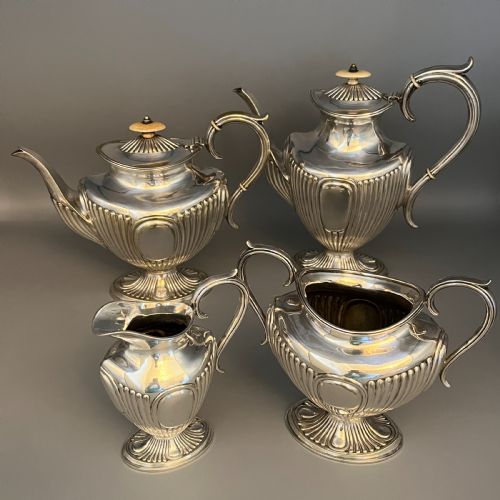
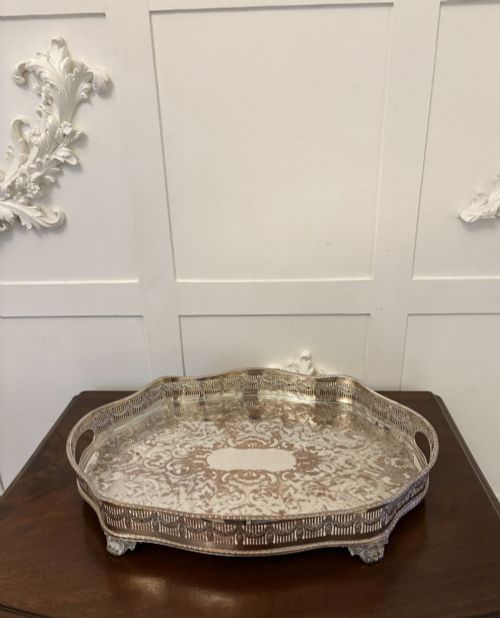
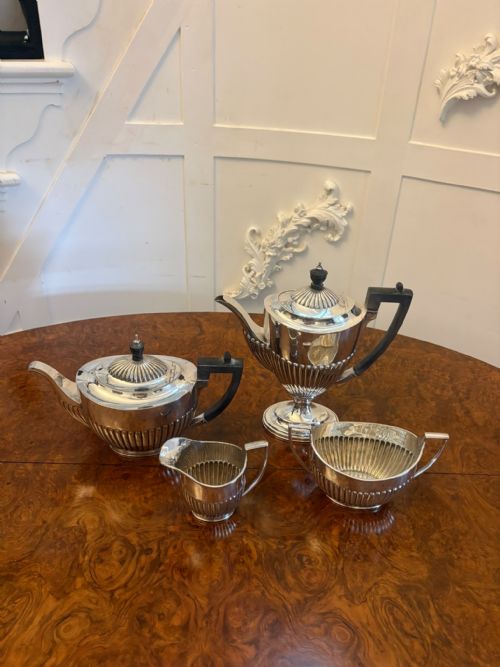
An antique tea service plate encompasses large engraved trays, gallery trays and display pieces designed to anchor complete tea and coffee sets. These items originate predominantly from the Edwardian period and the nineteenth century, alongside occasional Art Deco and Georgian examples.
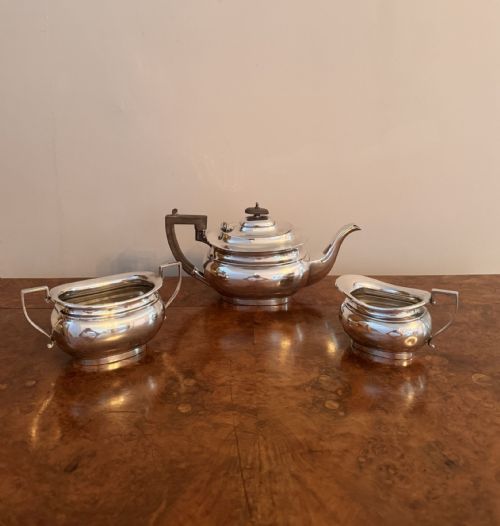
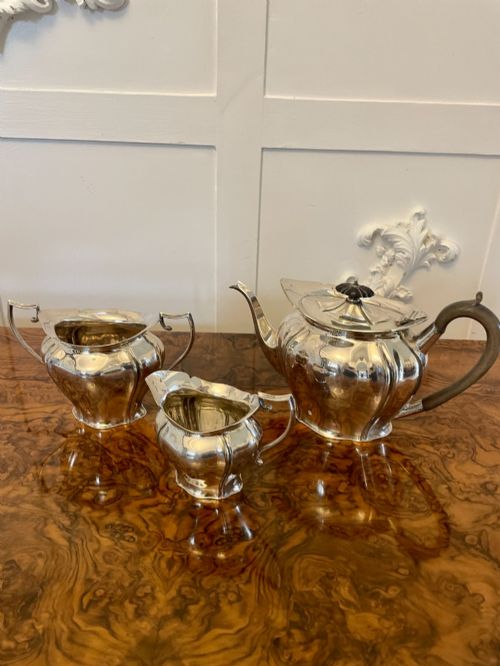
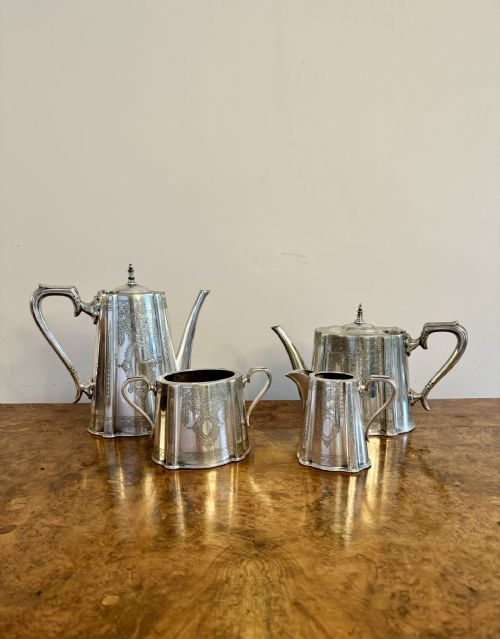
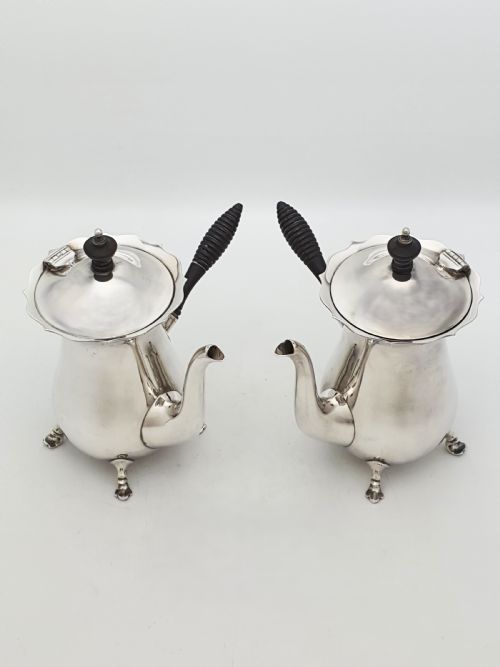
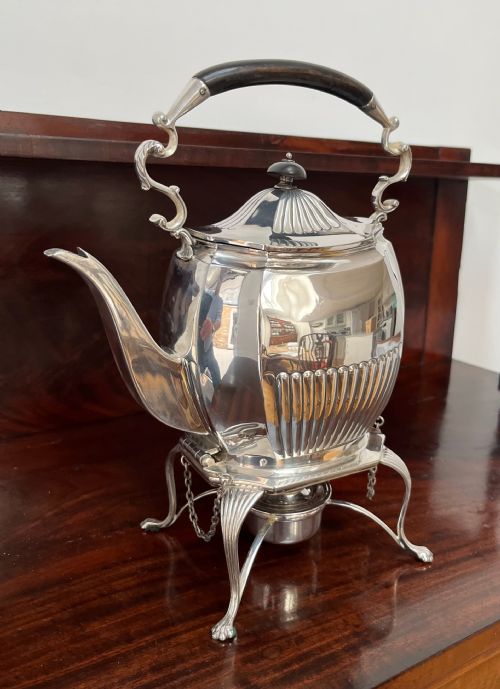
Buyers commonly encounter silver plated metalwork produced by established workshops, accompanied by porcelain components from English makers such as Minton and Coalport. The selection ranges from compact two-piece jug and bowl sets to expansive four-piece beverage services complete with spirit kettles on stands.
The domestic role of these pieces centres on presentation and service, moving from formal Victorian drawing rooms to Edwardian afternoon gatherings. Trays and plates support heavy pots and cream jugs while protecting polished timber furniture from heat and moisture.
Materials and Technique
The manufacture of these objects relies heavily on silver plate, electroplated nickel silver and Old Sheffield Plate applied over copper cores. Smiths achieved structural rigidity through base metals while imparting lustre via thin layers of silver.
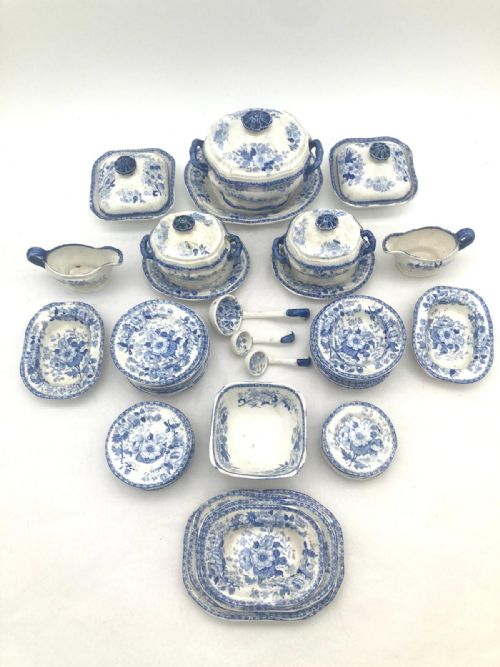
Porcelain items employ traditional hand-painted techniques and blue and white transfer printing on ceramic bodies. Workshops shaped wooden handles from ebony or ebonised wood to insulate users from heat during pouring.
Ornate decoration involves chasing, engraving and applied detailing such as grapevine motifs along the rims of trays and hollowware. Silver smiths balanced durability with decorative expression, securing handles with insulated pins and rivets.
Antique Tea Service Plate Retail Price Guide 2026
Typical asking prices for tea service plate among the pieces listed under this phrase on Sellingantiques today, from the lower quarter to the upper quarter. They describe what is for sale here now, not the wider market.
A spirit kettle ensured the water stayed hot enough for a second cup without anyone needing to leave the room.
Standards of Production
Quality separates through the crispness of engraved detailing and the uniform thickness of the silver plating across high-wear surfaces. Superior items retain their original copper or nickel silver layers without excessive base metal showing through.
The weight of the metal and the structural integrity of handles, feet and burner stands indicate the original tier of manufacture. Substantial gauge silver plate and sturdy gallery rails distinguish master workshops from lighter commercial output.
Joseph Rodgers And Sons·Walker And Hall·Mappin And Webb
The Antique Tea Service Plate Glossary
- Sheffield Plate
- A fused composite material made by sandwiching a layer of silver between two layers of copper, used before the invention of electroplating.
- Electroplated Nickel Silver
- A base metal alloy of copper, nickel and zinc coated with a thin layer of pure silver through an electrical process.
- Spirit Kettle
- A small water boiler mounted on a metal stand above a burner fuelled by methylated spirit or alcohol.
- Gallery Tray
- A serving tray featuring an openwork metal rail or pierced gallery raised around the perimeter.
- Transfer Printing
- A ceramic decoration technique where a design is pulled from an engraved copper plate onto tissue paper and then applied to earthenware or porcelain.
Antique Tea Service Plate: Frequently Asked Questions
What is an antique tea service plate used for?
These plates and trays provide a stable, decorative base for grouping teapots, cream jugs and sugar bowls together during service. They protect wooden tabletops from heat marks and drips while organising the tea ware.
Historically, they formed the centrepiece of formal afternoon tea rituals in domestic households. Today, they function as display pieces or serving trays for modern dining.
What is the difference between Sheffield plate and silver plate?
Old Sheffield Plate involves physically fusing a sheet of silver to a thick copper core under heat and pressure before rolling it into sheets. This method leaves characteristic copper seams visible along edges.
Standard silver plate utilises electricity to bond a thin coating of silver onto a pre-formed base metal body such as nickel silver or brass. This later technique creates a uniform surface without exposed copper seams.
How do I date an antique tea tray?
Dating relies on stylistic markers such as the elaborate floral chasing of the Victorian era or the clean geometric lines of Art Deco design. Maker marks stamped into the underside provide specific clues to the active years of the firm.
Technological shifts, such as the transition from fused plate to electroplate during the nineteenth century, offer clear chronological boundaries. Examining construction methods reveals whether a piece originates from the Georgian period or the Edwardian revival.