




Antique Tea Service Accessories
Antique tea service accessories are the small silver and plated items that complete a table, from sugar tongs to cream jugs.
Antique Tea Service Accessories
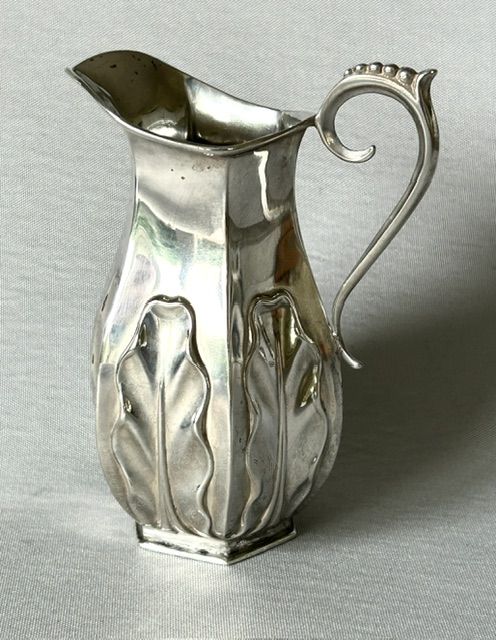
When you search for antique tea service accessories, you look at the supporting pieces that accompany a teapot, including sugar tongs, cream jugs, and sugar bowls. These items range from Georgian silver sugar nips to Victorian silver-plated sugar baskets and Edwardian cream jugs.
The pieces on this page span several eras, with Georgian, Victorian, and Edwardian examples appearing most frequently. Buyers will find individual tools like sugar tongs alongside matched sets of cream jugs and sugar bowls.
Makers and regional assay offices from London, Chester, Exeter, and Newcastle often mark these items. Forms vary from simple functional tableware to ornate naturalist designs and Art Deco patterns.
How they were made
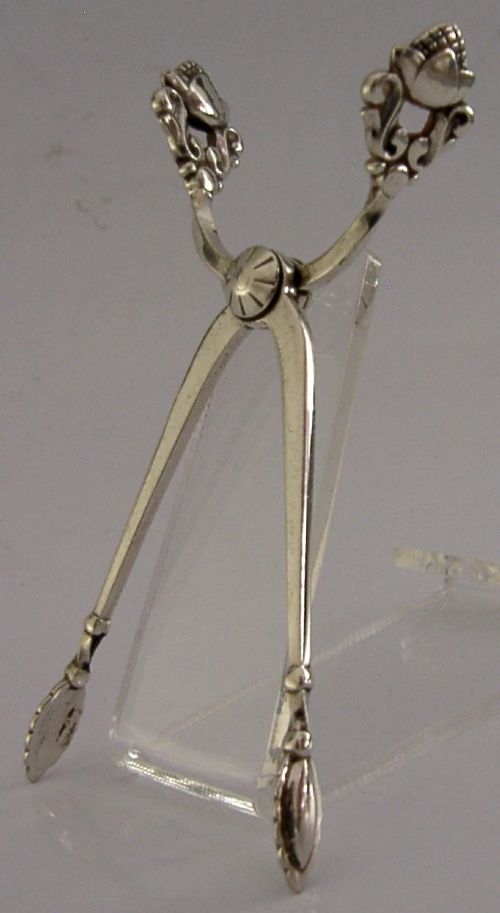
Silversmiths shaped sterling silver and silver plate through hammering, casting, and piercing. Many tongs feature articulated joints or spring arms formed from single sheets of metal.
Gilding appears on pieces like gold-gilt sugar items, adding a layer of precious metal over the base material. Electroplated nickel silver and Sheffield plating provide alternative surfaces seen across the nineteenth and twentieth centuries.
Listings feature sterling silver and silver plate items spanning the Georgian, Victorian, Edwardian, and Art Deco periods.
What varies in quality
The weight of the metal and the crispness of the chasing separate standard items from finer works. Strong spring tension in sugar tongs and clear hallmarks indicate superior manufacture.
Design complexity also defines quality, moving from plain utility pieces to detailed naturalist foliate designs and works by notable silversmiths.
Bateman Family·Georg Jensen·Thomas Tookey·Mappin & Webb·Josiah Williams and Co·John Walton·Francis Higgins
The Antique Tea Service Accessories Glossary
- Sugar tongs
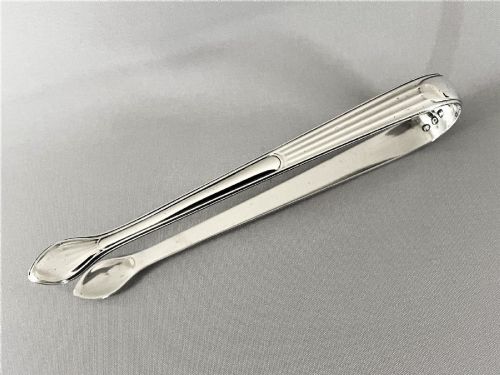
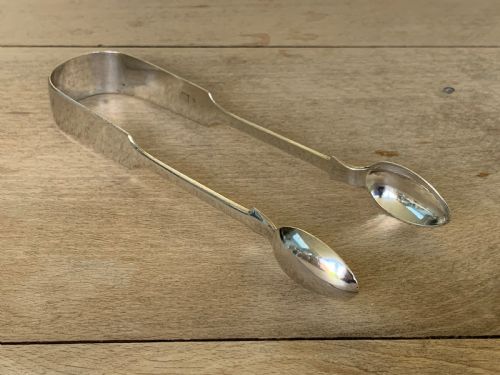
- Spring-action implements used for lifting sugar lumps into a cup. They often feature decorative bowls and engraved handles.
- Sugar nips
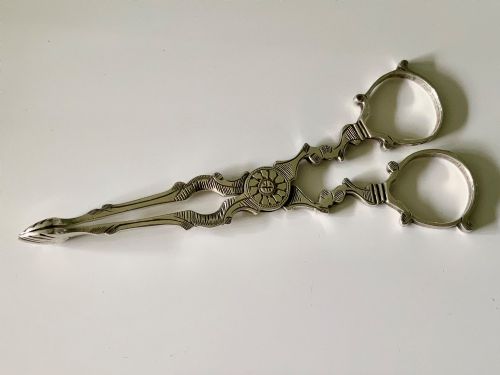
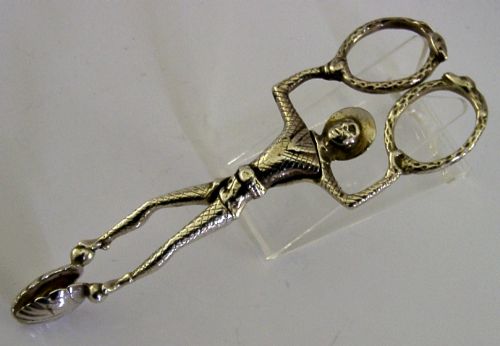
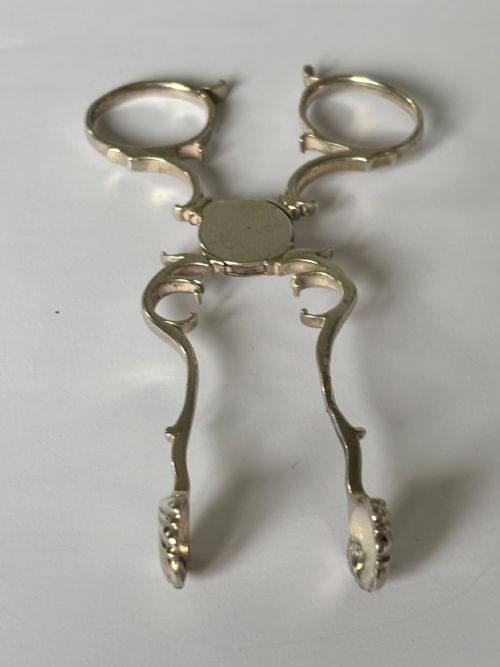
- Scissor-type implements used for cutting or holding sugar before the widespread use of refined cube sugar. They resemble small shears with circular finger rings.
- Cream jug
- A small vessel designed for holding milk or cream to add to tea. These frequently match sugar bowls in two-piece sets.
- Assay office
- An official body that tested the purity of precious metals and stamped items with town marks and date letters. Offices include London, Chester, and Exeter.
- Silver plate
- A layer of silver fused or electroplated onto a base metal such as copper or nickel silver. This technique offered an affordable alternative to solid sterling silver.
Antique Tea Service Accessories: Frequently Asked Questions
What are antique tea service accessories?
These are the secondary utensils and small vessels used alongside teapots during formal tea service. They include sugar tongs, nips, cream jugs, and sugar bowls.
Items are typically made from sterling silver or silver plate, dating from the Georgian period through to the mid-twentieth century.
How were sugar tongs used?
Sugar tongs served to transfer sugar lumps from a bowl into individual teacups without using fingers. Victorian and Georgian designs often utilised spring action for this purpose.
Earlier sugar nips operated like scissors with small cups to grip the sugar. Both tools formed an essential part of the tea table ritual.
How do I identify the date of silver accessories?
Makers stamped items with hallmarks that indicate the assay office, the purity of the silver, and a specific date letter. These marks are usually found on the inside of jugs or along the arms of tongs.
Stylistic cues such as Georgian engraving or Art Deco geometry also help narrow down the period of manufacture.
Can I mix different silver patterns on the tea table?
Mixing items from different periods and makers is a traditional approach to setting a tea table. Harlequin sets and assembled groupings of cream jugs and sugar tongs were common historically.
Matching sets do exist, but pairing compatible silver and plate items creates an authentic period display.