




Antique Tasting Cup
These antique tasting cup pieces, spanning silver and natural horn, offer a tactile connection to historical wine appreciation.
Antique Tasting Cup
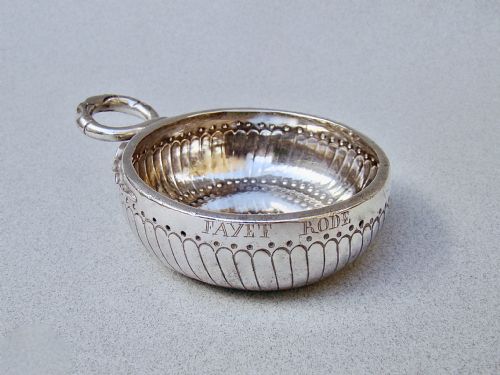
An antique tasting cup encompasses small drinking vessels and sampling bowls designed for wine and spirits, drawing from diverse traditions such as French wine tasters, Scottish quaichs, and English porringers.
The versions most commonly met on this page range from Victorian and 18th century sterling silver pieces to natural horn quaichs and mid-century barware.
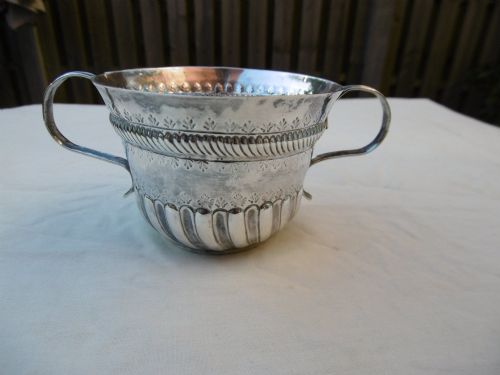
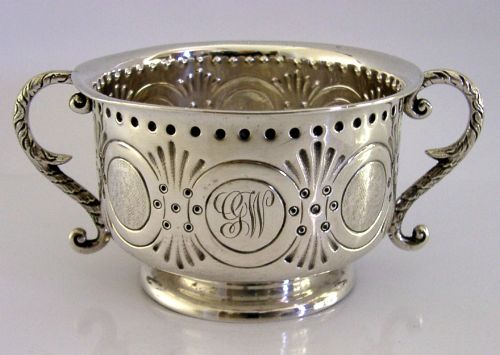
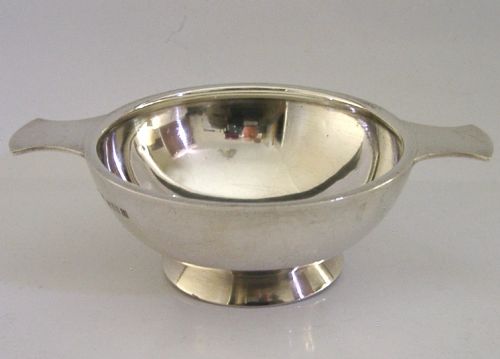
These items manifest in various forms including wine tasters, porringers, caudle cups, and quaichs, reflecting centuries of drinking customs across Britain, France, and Germany.
How they were made
Makers utilised sterling silver, Britannia silver, and German silver, shaping metal through traditional silversmithing techniques to form circular bowls and porringers.
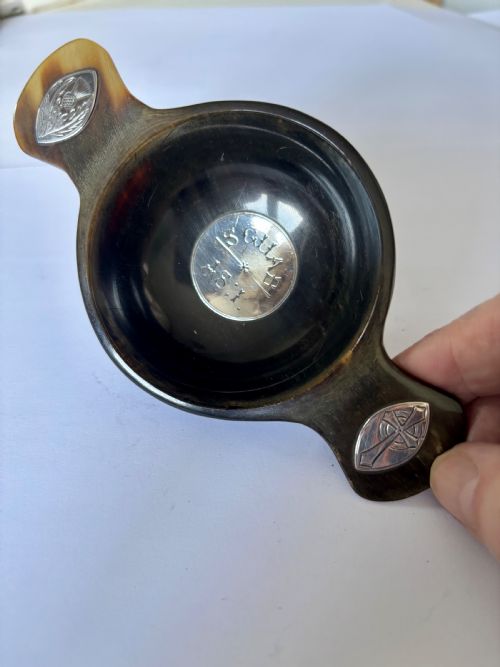
Certain traditional examples incorporate natural horn mounted with silver, combining organic textures with metal working methods seen in Scottish quaich production.
Antique Tasting Cup Retail Price Guide 2026
Typical asking prices for tasting cup among the pieces listed under this phrase on Sellingantiques today, from the lower quarter to the upper quarter. They describe what is for sale here now, not the wider market.
The listings span multiple centuries, incorporating periods from the 17th century through to 1950, alongside materials like natural horn and sterling silver.
What varies in quality
Quality rests upon the crispness of form and the historical integrity of the metalwork, distinguishing standard production items from pieces bearing distinct maker marks and period styles.
The distinction between standard examples and superior pieces often lies in the depth of chasing, the weight of the silver, and the preservation of original mounts.
Charles Overing·Pierre Fournerot
The Antique Tasting Cup Glossary
- Quaich
- A traditional two-handled drinking vessel of Scottish origin, frequently constructed from silver or natural horn.
- Porringer
- A shallow bowl equipped with one or two flat handles, historically utilised for porridge or liquids.
- Wine Taster
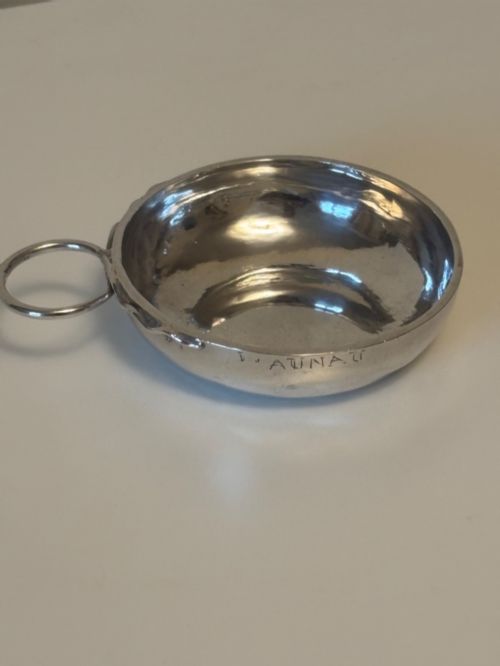
- A small, shallow silver bowl designed for sampling wine, often featuring embossed dimples to reflect light against the liquid.
- Britannia Silver
- A standard of silver coin fineness containing ninety-five point eight four percent pure silver, introduced in England during the late seventeenth century.
Antique Tasting Cup: Frequently Asked Questions
What is an antique tasting cup used for?
These vessels were historically employed for sampling wine or spirits directly from the cask or bottle. Their shallow forms and reflective surfaces allowed merchants and connoisseurs to inspect the colour and clarity of the liquid.
Today, they survive primarily as decorative barware or collector pieces, reflecting historic drinking habits and silver craftsmanship.
What materials are these cups made from?
The pieces listed across this page are predominantly fashioned from sterling silver, Britannia silver, or German silver. A selection of examples also incorporate natural horn mounted with silver elements.
These materials reflect the manufacturing standards of periods ranging from the seventeenth century through to the mid-twentieth century.
How do I date an antique tasting cup?
Dating relies heavily upon hallmarks stamped into the silver, which indicate the assay office, the year of production, and the maker. Stylistic indicators such as late seventeenth-century porringer forms or Victorian French design motifs also provide chronological context.
Unmarked pieces or those made from alternative materials like natural horn are dated through stylistic comparison with documented examples from similar periods.