




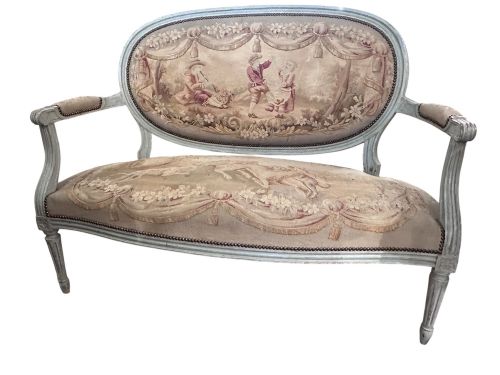


Antique Tapestry Settee
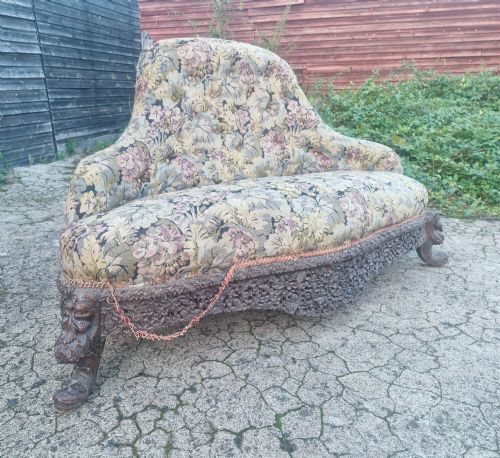
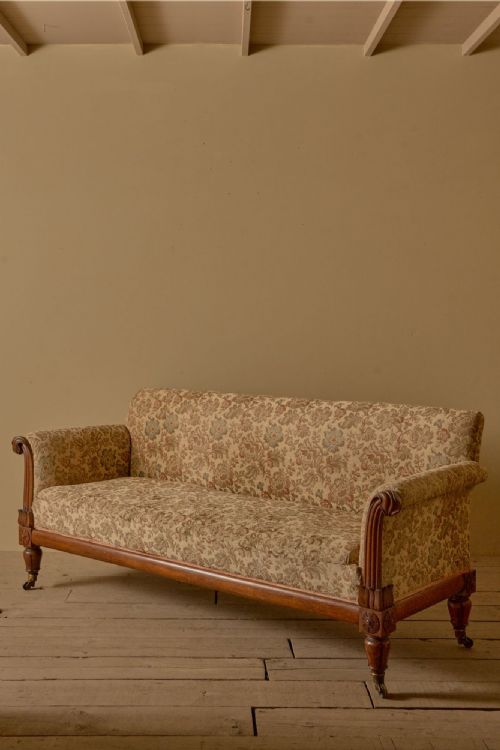
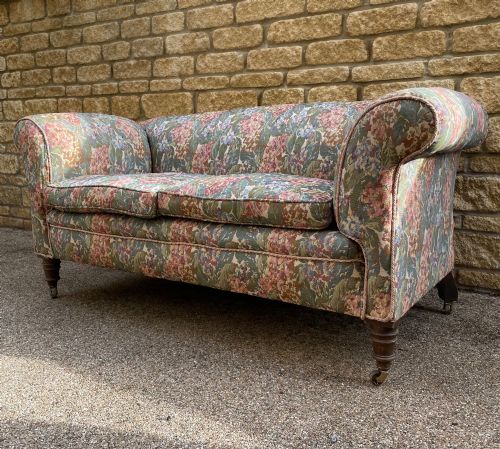
An antique tapestry settee brings heavy period presence into a room, offering tactile historical textiles paired with solid timber frames.
Antique Tapestry Settee
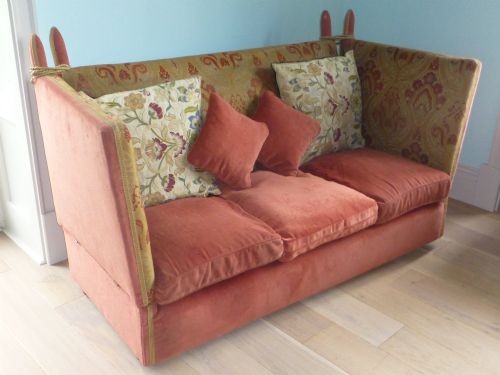
When you search for an antique tapestry settee, you are looking at substantial upholstered seating that spans the nineteenth and early twentieth centuries, including Victorian, Edwardian, and Arts and Crafts examples. These pieces range from compact two-seater drops and Knowle sofas to large French salon suites and painted canapés.
The version you are most likely to meet on this page is a Victorian or Edwardian timber frame covered in woven textile upholstery. They arrive in various forms, from carved walnut and rosewood frames to oak salon suites and painted woodwork.
Many of these settees combine traditional woodcarving with decorative fabric panels, reflecting French revival influences alongside English vernacular design.
How they were made
Makers built these frames using timber such as oak, walnut, mahogany, and rosewood, often enhanced with brass hardware, inlaid details, and gilt carved ornamentation. The structural woodwork supports heavy fabric upholstery, needlepoint, or tapestry textiles.
Upholstery techniques varied from simple drop-arm mechanisms to elaborate sprung interiors designed for formal reception rooms. Surface finishes include painted woodwork, polished wood, and carved gilt details applied to French and English frames.
Antique Tapestry Settee Retail Price Guide 2026
Typical asking prices for tapestry settee among the pieces listed under this phrase on Sellingantiques today, from the lower quarter to the upper quarter. They describe what is for sale here now, not the wider market.
One listed settee carries a literary association with Daphne Du Maurier's Rebecca from nineteen-twenty.
What varies in quality
The distinction between tiers rests upon the execution of the timber frame and the integrity of the textiles. Finely carved rosewood, walnut, or gilt surfaces indicate superior craftsmanship compared to plain painted or simpler softwoods.
The authenticity and preservation of the tapestry textile or needlepoint upholstery significantly determine the character of the piece. Intricate weaving and substantial frame construction separate standard seating from exceptional salon suites.
The Antique Tapestry Settee Glossary
- Canapé
- An upholstered French sofa featuring an exposed wooden frame and decorative carved details. These pieces typically date from the eighteenth and nineteenth centuries.
- Knowle Sofa
- A distinct sofa design featuring adjustable or drop-down arms originally developed in seventeenth-century Kent. Victorian and later makers revived this form with deep seating and elaborate upholstery.
- Drop Arm
- A mechanical mechanism allowing one or both arms of a sofa to lower into a horizontal position. This feature appears frequently on nineteenth-century upholstered settees.
- Needlepoint
- A type of canvas work embroidery used for historical upholstery. It forms durable pictorial or floral panels on period seating.
- Salon Suite
- A matched set of seating comprising a settee and matching armchairs designed for formal entertaining. These groupings often share identical timber frames and textile upholstery.
Antique Tapestry Settee: Frequently Asked Questions
How do I date an antique tapestry settee?
Dating relies on examining the timber frame, carving style, and upholstery methods. Victorian and Edwardian pieces show distinct revival motifs or simpler proportions compared to earlier French models.
Looking closely at the wood species, joinery, and wear patterns on the textile panels helps establish the decade of production.
Were these settees used in bedrooms or reception rooms?
These seating pieces served primarily in formal reception spaces, drawing rooms, and large parlours. Boudoir suites and smaller settees also appeared in private chambers.
Their substantial construction and decorative tapestry textiles made them central decorative elements in period homes.
How should I care for antique tapestry upholstery?
Protect the woven textile surfaces from direct sunlight to prevent fading of the wool and silk threads. Gentle vacuuming through a mesh screen removes surface dust without catching fragile fibres.
Avoid chemical cleaners and consult a textile conservator for deep cleaning.
What is the difference between a settee and a sofa?
The terms are often used interchangeably, though historically a settee denoted a wooden or partially upholstered bench-like seat. Later Victorian and Edwardian examples adopted fully upholstered sprung backs and arms.
On this page, both labels describe multi-seater upholstered furniture.