


Antique Tapestry Runner
An antique tapestry runner brings warmth and pattern to long hallways and narrow spaces through historic woven textiles.
Antique Tapestry Runner
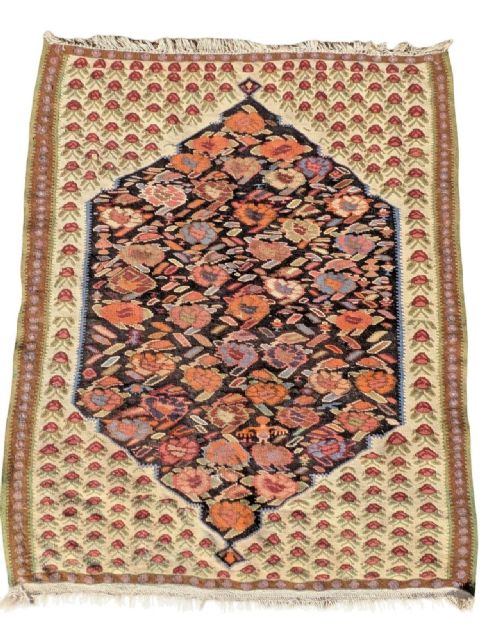
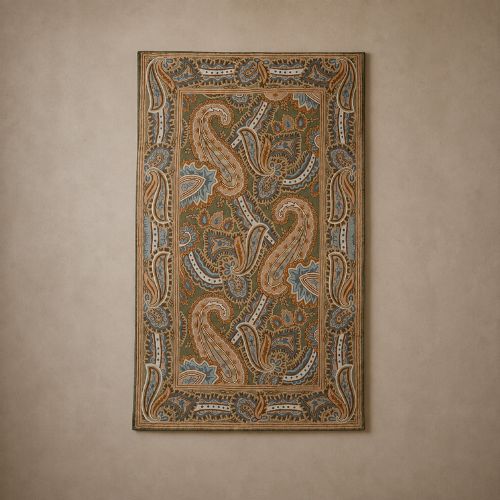
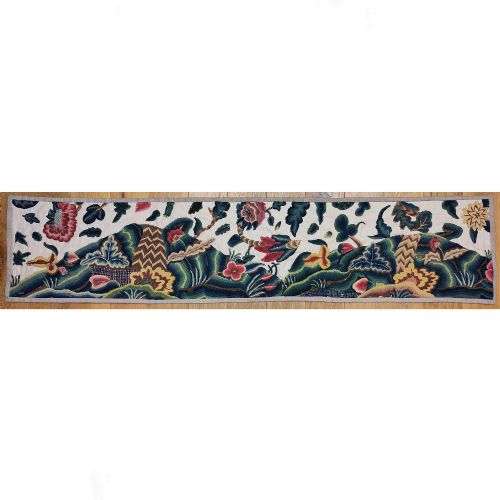
An antique tapestry runner encompasses long, narrow floor coverings and wall panels produced across diverse regions from the nineteenth century into the early twentieth century. Buyers seeking an antique tapestry runner encounter flat-woven kilims, embroidered textiles, and repurposed panels originating from European and Asian workshops.
The selections span from Central Asian tribal flatweaves to European tapestries and Bessarabian kilims, reflecting varied cultural traditions of design. These elongated textiles serve distinct decorative functions in modern interiors, bridging historical craftsmanship with practical placement in corridors and narrow rooms.
How They Were Made
Makers utilised natural materials including wool, cotton, linen, jute, and burlap as foundational structures for these textiles. Hand-spun wool provides the durable pile and flat-woven surfaces typical of tribal rugs and kilims.
Specialised techniques involve flat-weaving, embroidery, and crewelwork, occasionally incorporating metallic thread for enriched visual texture. Artisans constructed complex geometric and floral compositions by joining multiple woven strips together.
Some runners started life as fifty-foot yurt bands designed to hold nomadic tent frames securely together against steppe winds.
What Varies in Quality
The finesse of the weave and the complexity of the graphic design distinguish superior examples from simpler utilitarian pieces. Tightly packed structures and balanced natural colour palettes demonstrate high standards of regional craftsmanship.
The integrity of the fibres and the condition of the structural joins determine the longevity and textural retention of each textile. Variations in material purity, such as the inclusion of metallic thread or hand-spun wool, mark differences in the original commission tier.
The Antique Tapestry Runner Glossary
- Kilim
- A flat-woven carpet or rug produced without a pile, common across Central Asian and Turkish traditions. These textiles rely on tightly interlocked warp and weft threads to form sharp geometric patterns.
- Soumak
- A flat-weave technique utilising a wrapping stitch over the warp threads to create a durable, textured surface. This method produces a sturdier reverse side compared to standard kilims.
- Suzani
- A type of embroidered tribal textile originating from Central Asia, typically worked in silk or wool on a cotton or linen ground. These panels often display large floral roundels and intricate botanical motifs.
- Mafrash
- A traditional storage bag or panel associated with nomadic tribes, often featuring distinctive side designs suitable for repurposing as narrow runners. They utilise robust wool weaves to withstand heavy functional use.
- Bessarabian
- A style of flat-woven textile originating from Eastern Europe, known for naturalistic floral patterns executed on dark grounds. These pieces reflect a blend of regional folk art and Western European design influences.
Antique Tapestry Runner: Frequently Asked Questions
Where do these runners originate?
The pieces hail from diverse regions including Central Asia, the Caucasus, Turkey, and Eastern Europe. Each area developed distinct geometric or floral motifs tied to local tribal or workshop traditions.
Nomadic and settled communities alike produced these elongated textiles for domestic utility, decorative display, and structural insulation within tents or homes.
How should I clean my textile?
Gentle surface cleaning and regular light vacuuming without a rotating brush help maintain the integrity of natural wool and cotton fibres. Professional textile conservators should handle major interventions to prevent dye bleeding or structural damage.
Avoiding direct, harsh sunlight protects natural plant and insect dyes from fading prematurely over decades of display.
Can I place these on the floor?
Many flat-woven kilims and rugs suit floor placement in low-traffic corridors or protected indoor areas. Using a breathable underlay prevents slipping and reduces friction between the historic fibres and hard flooring.
Delicate embroidered panels and metallic thread wall hangings function better away from foot traffic to preserve their fragile construction.
How do I date a woven runner?
Dating relies on stylistic analysis, material composition, and structural characteristics typical of nineteenth and early twentieth-century production periods. Natural dye palettes and hand-spun wool textures often indicate older manufacture before synthetic colourants became widespread.
Comparing regional border motifs and construction methods against documented examples helps narrow down the probable decade of origin.