


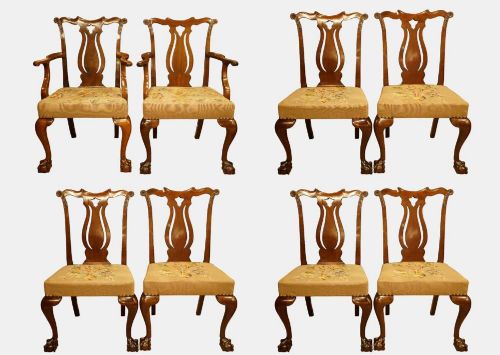

Antique Tapestry Carver
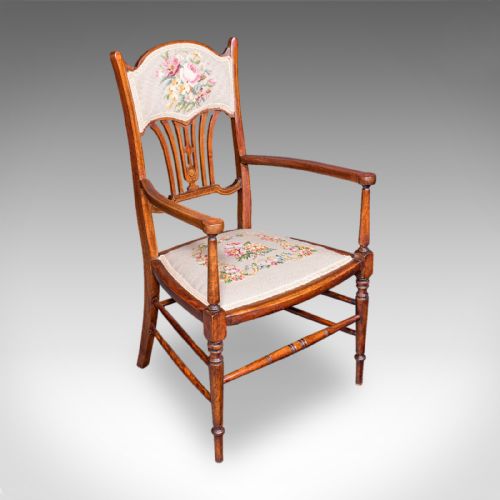
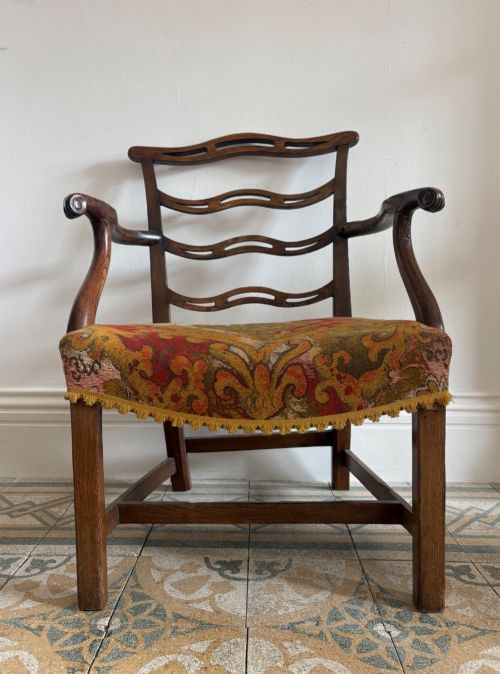
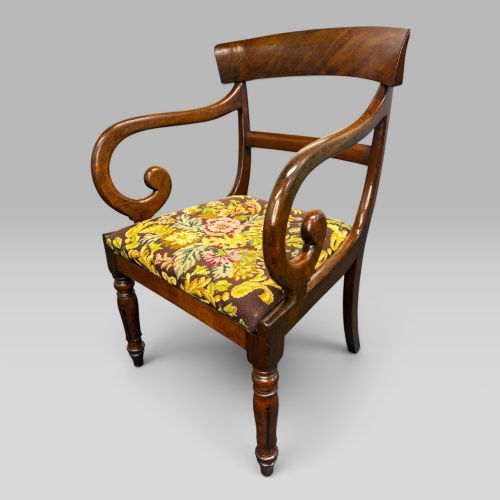
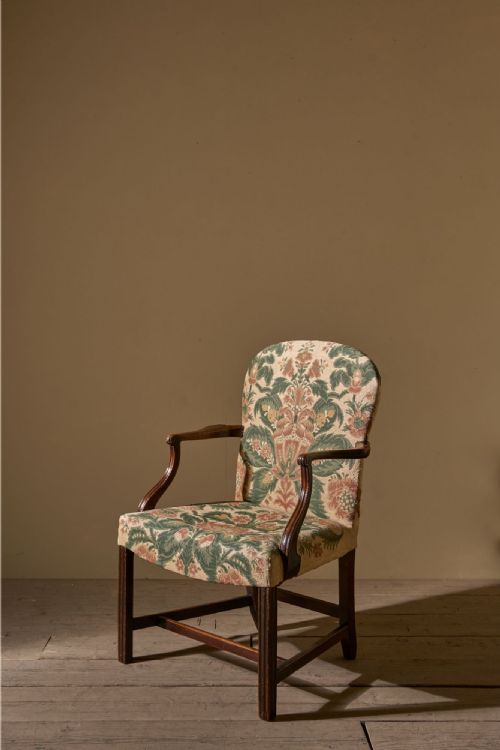
An antique tapestry carver is a sturdy seated chair designed with supportive armrests and upholstered textile cushioning, combining historic timber frames with tactile woven seats.
Antique Tapestry Carver
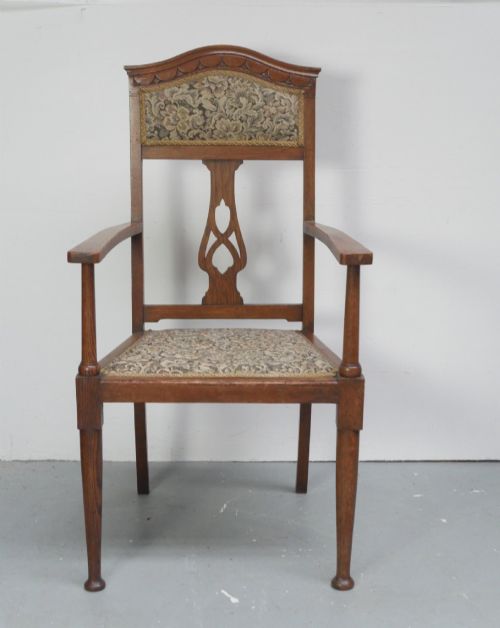
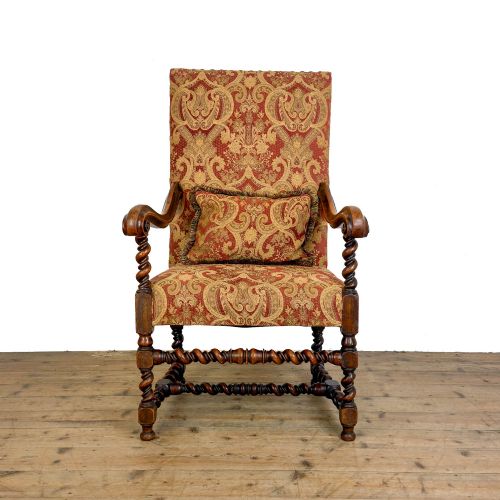
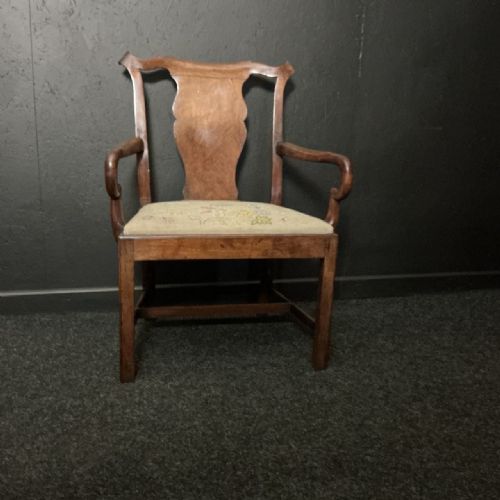
An antique tapestry carver functions as an open armchair, elbow chair, or desk chair, frequently serving as the principal seat at the head of a dining table. The listings demonstrate that these chairs emerge from periods spanning the Georgian era through the 19th century, Victorian period, and Edwardian times.
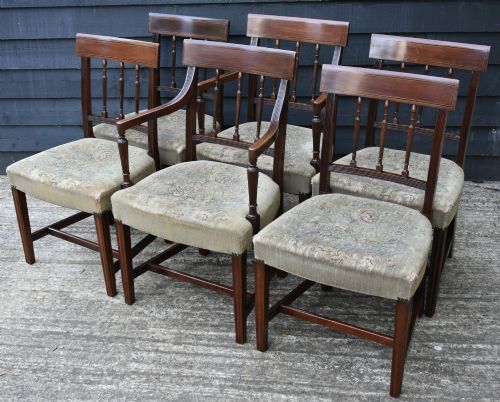
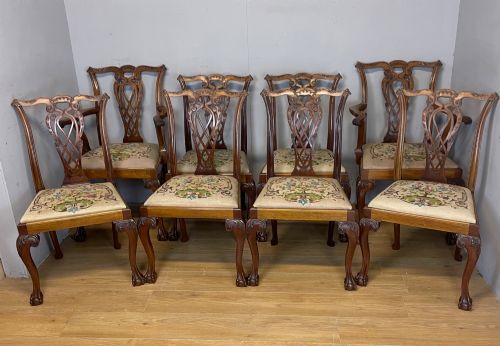
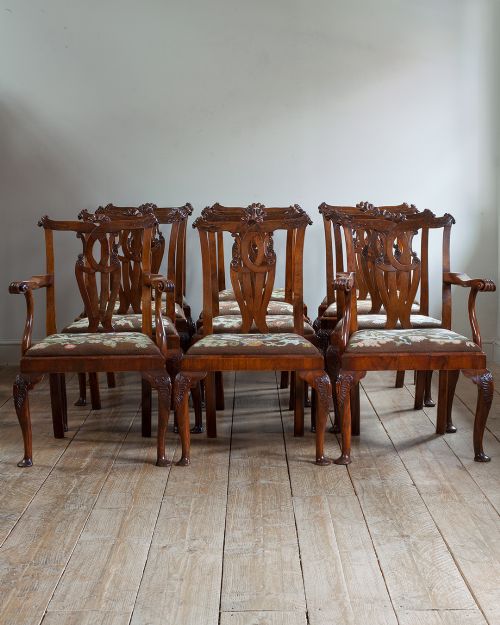
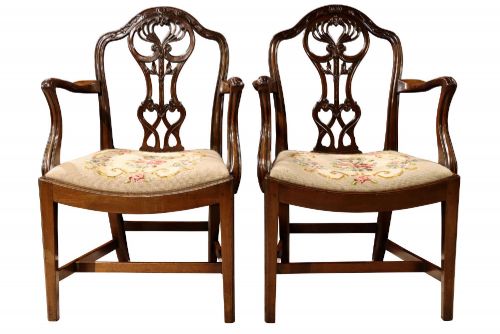
Makers constructed these pieces in diverse regional forms, utilising mahogany, walnut, oak, and elm timber. Buyers encounter individual elbow chairs, matched pairs, and larger dining sets featuring upholstered textile seats.
Materials and construction methods
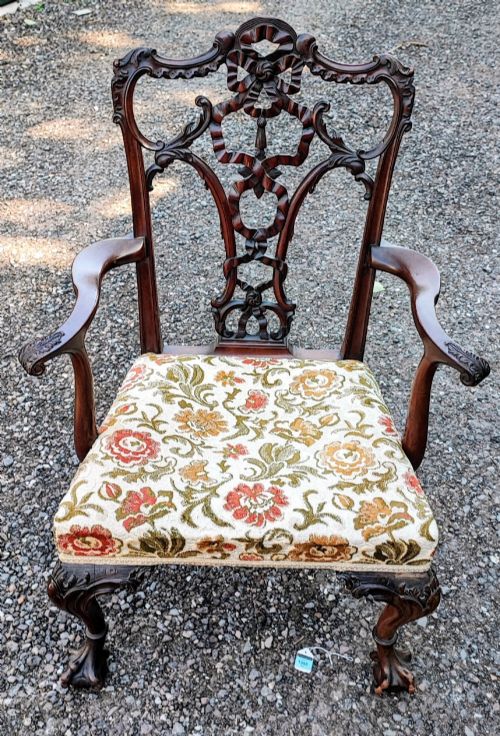
Craftsmen built the structural frameworks primarily from dense hardwoods like mahogany, walnut, and oak, often shaping them into Chippendale style or revival forms. Artisans then fitted these frames with drop-in or fixed seats utilising tapestry upholstery, needlework fabric, and woven textiles.
Joinery techniques relied on traditional mortise and tenon construction to ensure stability across the armrests and legs. Carved surface details on the wood frames complemented the decorative patterns found in the textile upholstery.
Design styles span across Georgian, Regency, Victorian, Edwardian, and Art Nouveau periods within the current site listings.
Factors separating the finest examples
Quality depends upon the crispness of the timber carving and the architectural proportions of the armrests and legs. Chairs displaying refined joinery and well-preserved original needlework or tapestry fabric command greater attention from collectors.
The choice of primary timber influences the character of the piece, with dense grain figuring in mahogany and walnut elevating the visual presence of the armchair.
Warings
The Antique Tapestry Carver Glossary
- Carver chair
- An open armchair with wooden elbow supports, traditionally positioned at the head of a dining table.
- Tapestry upholstery
- A heavy woven textile fabric featuring decorative patterns, utilised to cover the drop-in or fixed seats of historic chairs.
- Elbow chair
- An alternative term for an armchair, referencing the prominent wooden supports designed to cradle the arms.
- Chippendale style
- A decorative design movement originating in the 18th century, distinguished by carved mahogany frames and intricate back splats.
Antique Tapestry Carver: Frequently Asked Questions
What defines an antique tapestry carver?
An antique tapestry carver is an armed wooden chair featuring a textile upholstered seat, designed historically for dining rooms or studies.
The listings show these chairs appearing across Georgian, Victorian, and Edwardian periods in mahogany, walnut, and oak.
Where were these chairs placed originally?
These armchairs served as principal seats at dining tables, desk chairs in studies, or morning room lounge seats.
Their sturdy elbow supports made them suitable for prolonged seating in domestic interiors.
How do I identify the period?
Period identification relies upon the timber species, structural style, and woodworking techniques visible in the frame. Early examples often utilise walnut or solid mahogany, while later revival pieces adopt Chippendale or Art Nouveau motifs.
Are tapestry seats original to the chairs?
Tapestry and needlework seats can be original historic textiles or later replacement upholstery chosen to match the period style. The listings record both original tapestry seats and later needlework drop-in replacements.