




Antique Tapestried Couch
An antique tapestried couch brings warmth and texture to a room, offering upholstered comfort built from centuries of fine cabinet-making and textile art.
Antique Tapestried Couch
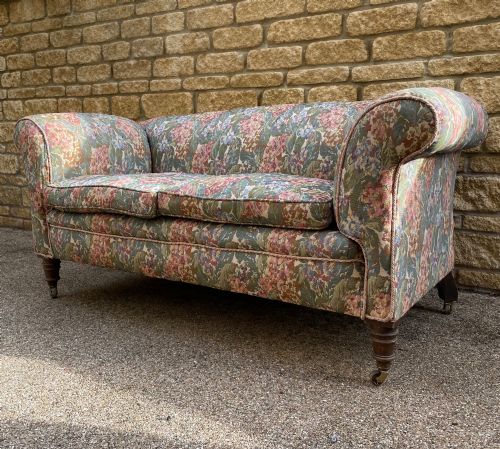
When you search for an antique tapestried couch, you encounter seating shaped by Victorian, Edwardian, and earlier aesthetic traditions. These pieces combine robust timber framing with woven textile surfaces designed for both formal parlours and relaxed country houses.
The versions most commonly met on this page span the nineteenth and early twentieth centuries, featuring forms from drop-arm settees to grand French salon suites. They reflect periods such as the Victorian era and the Arts and Crafts movement through distinctive wood frames and patterned upholstery.
Each seating piece balances structural timberwork with soft fabric coverings, ranging from floral patterns to rich velvet and tapestry textile. They serve as functional furniture that retains the character of past centuries.
Materials and construction
Makers built these frames using traditional timbers such as walnut, rosewood, and general hardwoods to ensure lasting structural integrity. Skilled artisans shaped the wood through carving and inlay work before applying supportive webbing and stuffing.
The defining textile elements include tapestry fabric, upholstery fabric, velvet, and cord, often secured with brass hardware details. These materials were chosen to withstand daily use while presenting elaborate woven designs.
Listings feature periods spanning from the eighteenth-century Georgian era through Victorian, Edwardian, and 1930s designs.
Evaluating craftsmanship and condition
Quality rests upon the execution of the timber frame, where hand-carved details and inlaid rosewood distinguish finer pieces from simpler workshop outputs. The structural joinery dictates how well the couch supports weight across decades of use.
The integrity of the upholstery work also defines the upper tier of the range, particularly where original or period-appropriate tapestry textiles remain intact and tightly fitted to the contours of the sofa.
The Antique Tapestried Couch Glossary
- Drop arm
- A sofa mechanism allowing one or both armrests to be lowered into a horizontal position. This feature provides adjustable lounging configurations.
- Knole sofa
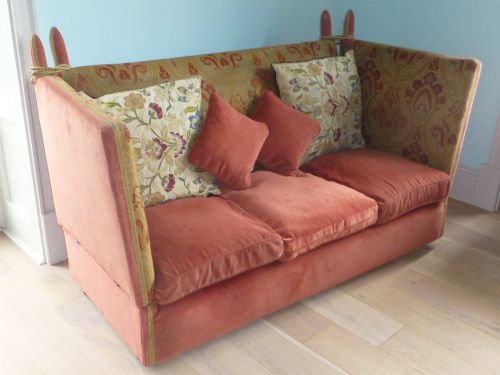
- A historic settee style featuring high, adjustable ends that attach to the back posts with decorative braids and ties. It offers a formal silhouette associated with large English houses.
- Chesterfield settee
- A classic upholstered seating form characterised by deep button tufting and rolled arms of equal height to the back. It is traditionally finished in leather or heavy fabric.
- Chaise longue
- An elongated upholstered chair designed for reclining, combining the backrest of a sofa with the seat of a chair. These pieces often reflect French salon influences.
- Inlaid rosewood
- Decorative craftsmanship where contrasting wood veneers are fitted into carved recesses within a rosewood surface. This technique highlights late Victorian cabinet-making skill.
Antique Tapestried Couch: Frequently Asked Questions
How do I care for antique upholstery?
Protect the fabric from direct sunlight to prevent fading and delicate fibre degradation over time. Gentle vacuuming using a low-suction attachment helps remove dust without stressing the weave.
Avoid chemical cleaners on older textiles and consult a specialist restorer for deep cleaning. Keeping the room environment stable prevents excessive drying of the underlying stuffing materials.
Where were these couches typically placed?
These seating pieces originated in formal drawing rooms, libraries, and large living spaces of grand houses. They functioned as central gathering spots for conversation or quiet reading.
Later Edwardian and Victorian interiors utilised them to create cosy seating arrangements within larger reception rooms. Their decorative upholstery allowed them to act as visual centerpieces.
What defines the Victorian style?
Victorian furniture design embraces ornate details, substantial timber frames, and varied revivalist influences such as Rococo and French taste. Pieces from this era often feature rich walnut or rosewood construction alongside elaborate upholstery.
Comfort was paramount during this period, leading to deep cushioning and supportive seating designs. Drop-arm mechanisms and reclining daybeds also emerged strongly during these decades.
Can I use these daily?
Many of these seating pieces are robust enough for everyday domestic use when properly maintained and structurally sound. Examining the underlying wood frame ensures it remains stable before regular seating occurs.
Lighter frames or fragile antique textiles benefit from gentler use to preserve their historic integrity. Placing them away from heavy traffic areas protects delicate tapestried surfaces.