


Antique Taper Stick
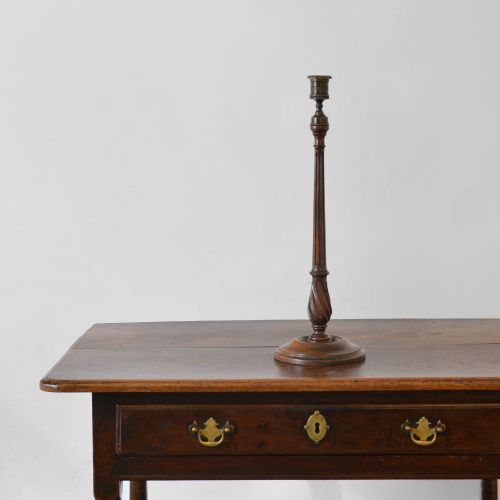
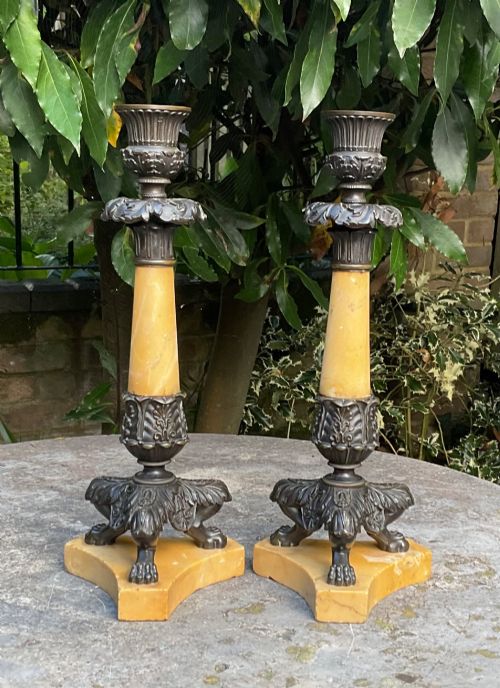
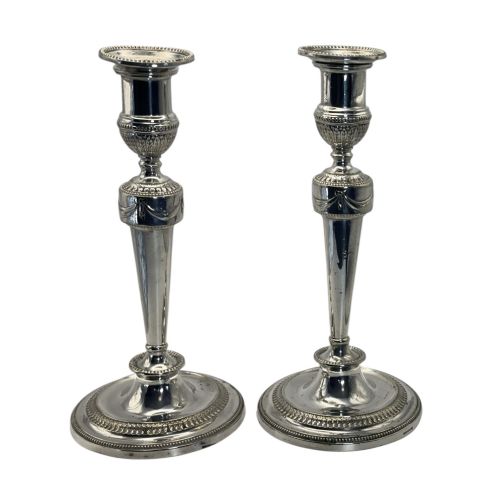
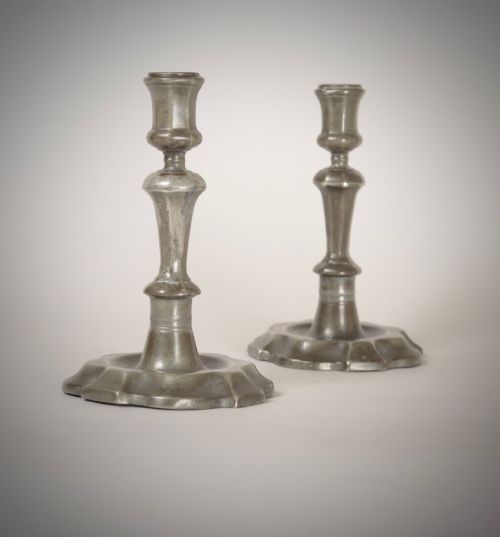
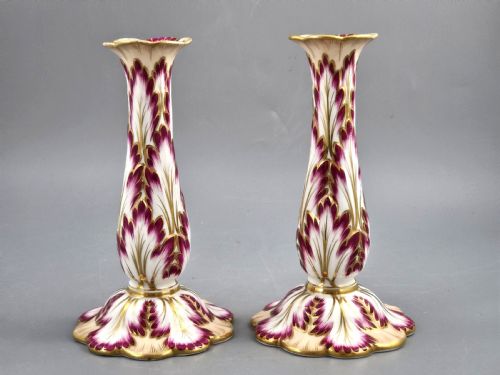
These antique taper stick pieces are compact brass, silver, and pewter holders designed for sealing wax tapers, highly sought after by collectors for their refined domestic scale.
Antique Taper Stick
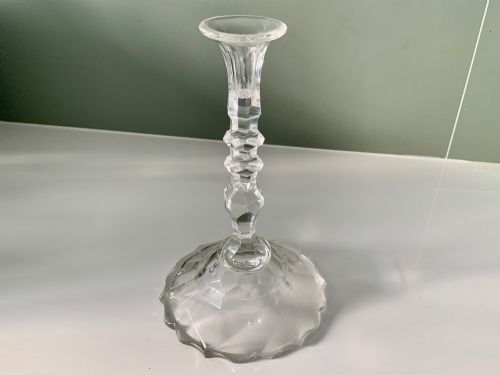
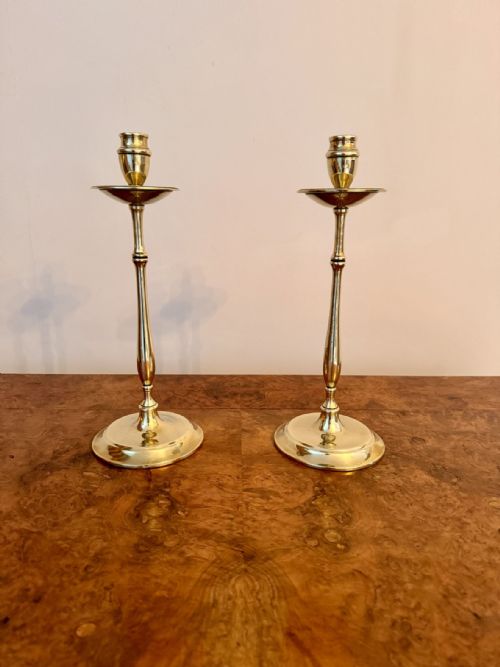
When you search for an antique taper stick, you encounter small holders designed for melting wax and lighting letters rather than illuminating a large room. The pieces appearing here span periods from the eighteenth century through the Georgian, Victorian, and Edwardian eras, alongside Regency and Arts and Crafts examples.
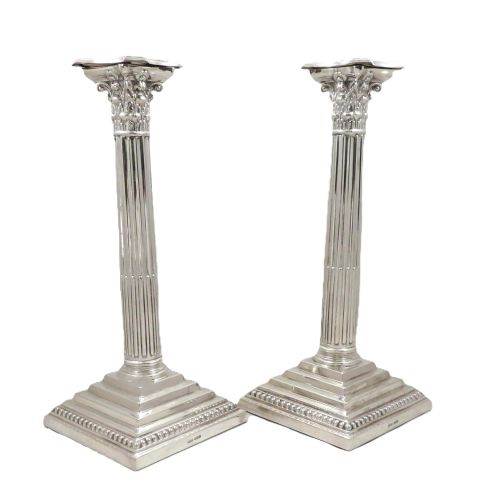
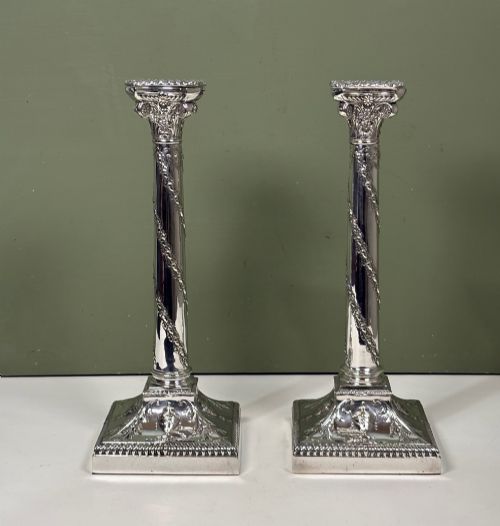
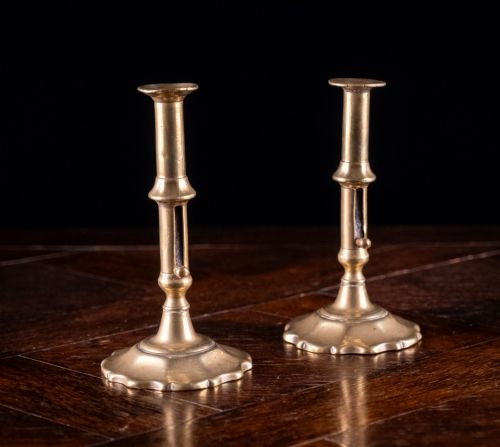
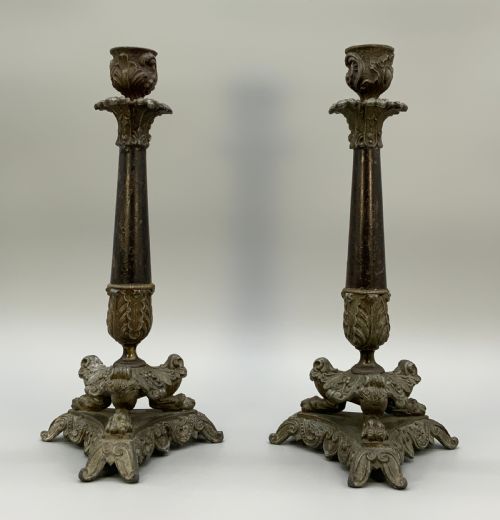
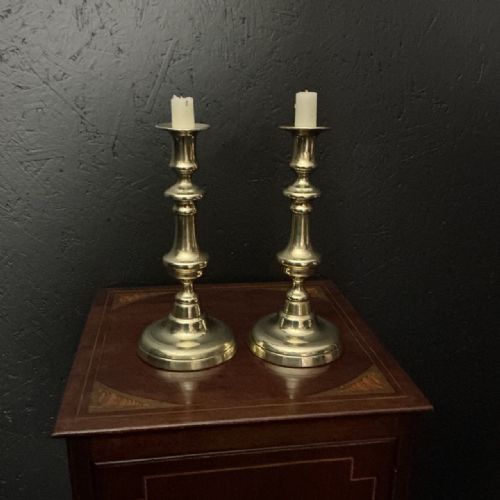
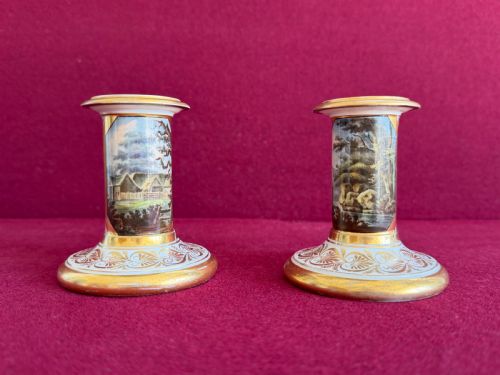
Most entries comprise brass and silver plated versions, often found alongside sterling silver, copper, pewter, bronze, and porcelain variations. Forms range from miniature desk models and seamed ejector designs to columnar styles, reflecting domestic lighting needs across centuries.
How they were made
Metal fabrication dominates the evidence, utilising cast brass, seamed construction, and silver plating over base metals. Artisans also employed pewter casting, bronze shaping, and porcelain moulding to achieve the desired forms.
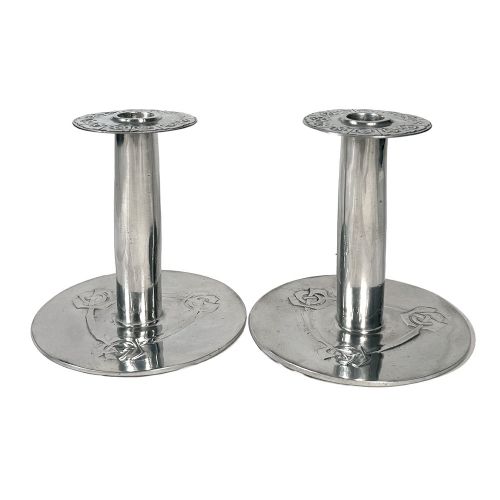
Surface treatments and assembly techniques vary by period, from Georgian petal bases and Neoclassical columns to Arts and Crafts pewter work. These methods dictated both the weight and the durability of each holder.
Antique Taper Stick Retail Price Guide 2026
Typical asking prices for taper stick among the pieces listed under this phrase on Sellingantiques today, from the lower quarter to the upper quarter. They describe what is for sale here now, not the wider market.
An unexpected pug dog candlestick from the late nineteenth century demonstrates that Victorian makers enjoyed combining utility with whimsical animal forms.
What varies in quality
Quality rests upon the crispness of casting detail, the integrity of structural joins, and the preservation of original metal surfaces or plating. Pieces displaying sharp moulding on bases and columns show superior craftsmanship compared to soft or heavily worn castings.
Maker attribution and material choice also influence distinction, with signed works by known makers or solid sterling silver compositions standing apart from unmarked base metal equivalents.
Archibald Knox for Liberty and Co·Garrard and Co·Mappin and Webb·Ridgway·Barr Flight and Barr·J. Miller·John Pound and Co
The Antique Taper Stick Glossary
- Ejector
- A mechanism inside the shaft designed to push out the remaining wax stub. This clever addition is common in eighteenth-century brass examples.
- Corinthian column
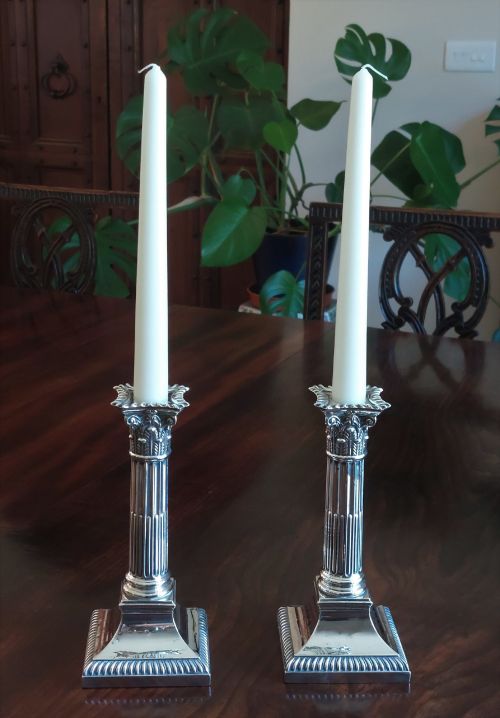
- A classical architectural style adapted for the shaft of a holder, featuring ornate acanthus leaf capitals. It appears frequently in silver and silver-plated Victorian and Edwardian pieces.
- Old Sheffield plate
- A fused composite material made by melting a sheet of sterling silver onto a copper base. This technique predates modern electroplating.
- Petal base
- A moulded foot shape resembling unfolding flower petals, characteristic of Georgian brass designs. It provides a stable footing for the slender stem above.
Antique Taper Stick: Frequently Asked Questions
What is an antique taper stick?
An antique taper stick is a miniature holder specifically made to hold a small wax taper. These slender candles provided the flame needed to melt sealing wax on correspondence before the widespread use of envelopes.
They differ from standard candlesticks through their diminutive height and narrower sockets. Most examples date from the eighteenth and nineteenth centuries.
How were taper sticks used?
People placed them on desks, writing tables, and sideboards for immediate access to flame. The small taper provided just enough fire to soften a stick of sealing wax without hazard.
They remained essential desktop accessories throughout the Georgian and Victorian periods. Servants also used them to light bedrooms during evening hours.
How do I date a brass taper stick?
Dating relies on base shapes, manufacturing marks, and construction techniques like seaming. Eighteenth-century versions often feature petal bases or cast brass bodies with visible lathe turning marks underneath.
Later nineteenth-century examples incorporate machine stamping or distinct stylistic revivals such as Neoclassical columns. Comparing weight and metal colour helps confirm the era.
Are silver plated taper sticks collectable?
Silver plated examples from makers like Mappin and Webb or Garrard and Co hold strong collector interest. The quality of the underlying metal and the thickness of the plating determine desirability.
Silver plated and sterling silver desk models both offer substantial visual appeal. Collectors look for crisp hallmarks and unpolished details.