
Antique Tall Pedestal Stand
An antique tall pedestal stand elevates sculpture, foliage or light, bringing height and proportion to a room through centuries of cabinet-making skill.
Antique Tall Pedestal Stand
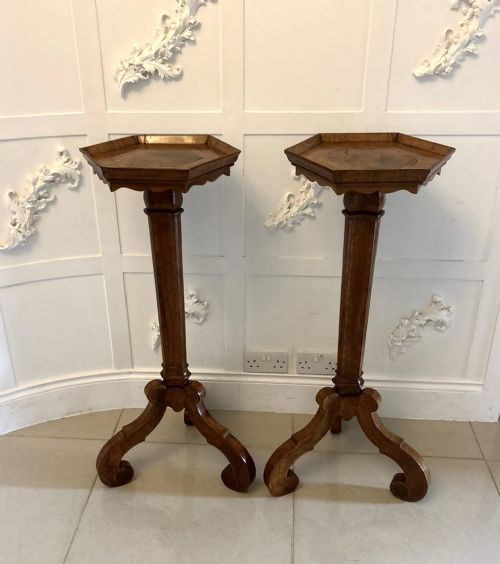
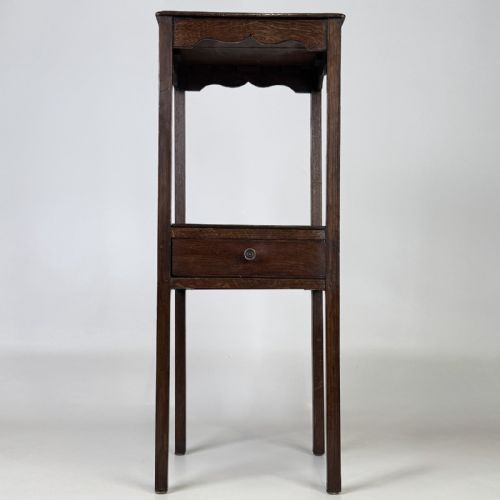
When you search for an antique tall pedestal stand, you encounter a specialised piece designed to lift decorative objects, plants or lighting above floor level. These items span periods from the Georgian era through the Victorian and Edwardian decades into the early twentieth century.
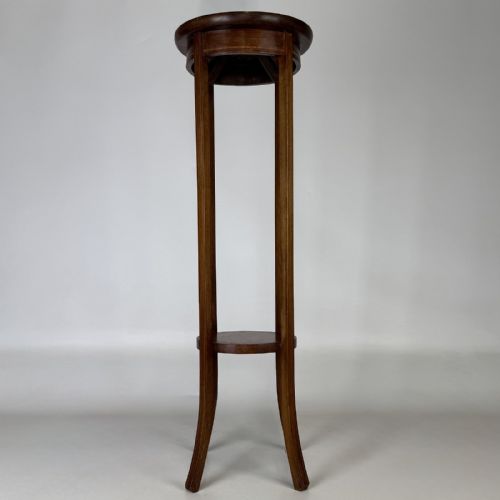
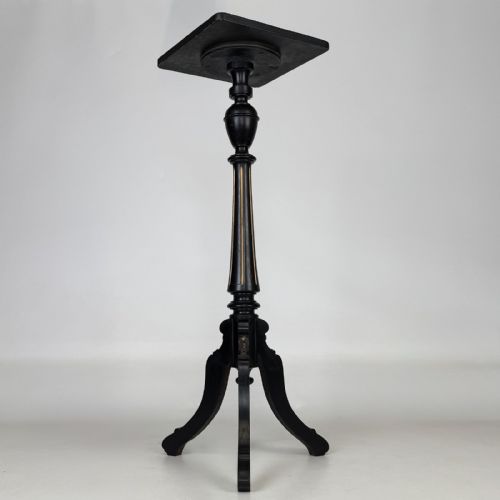
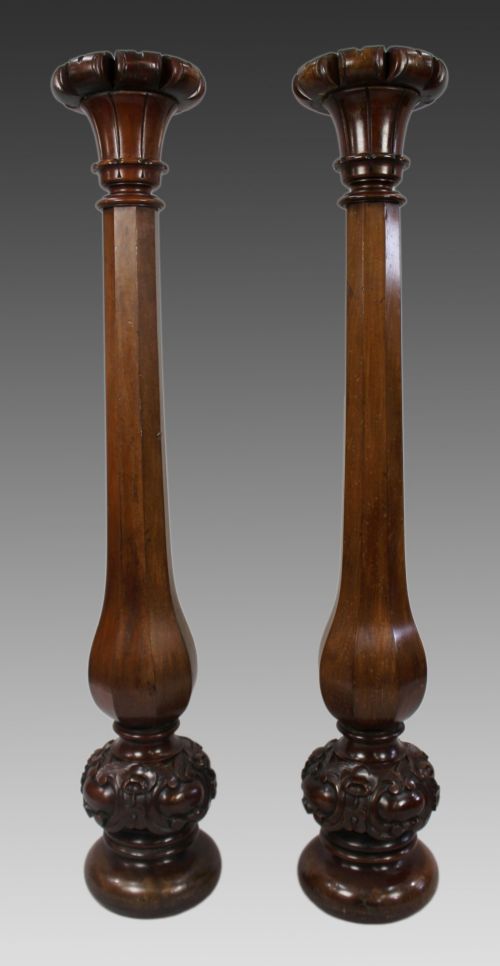
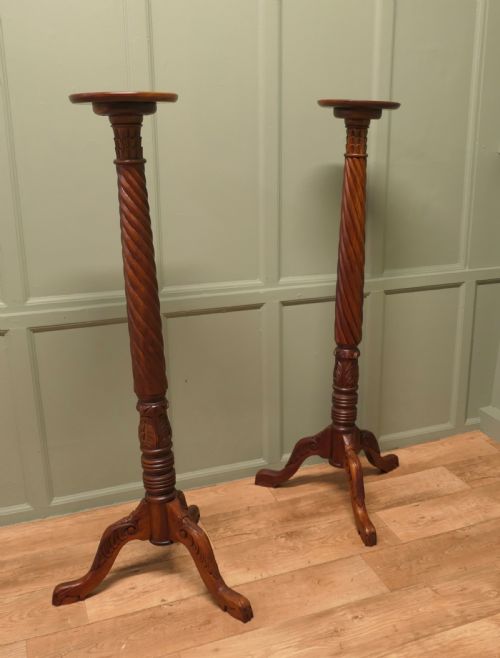
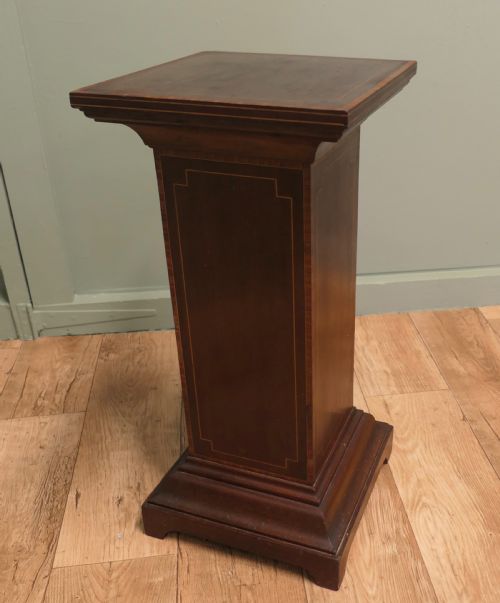
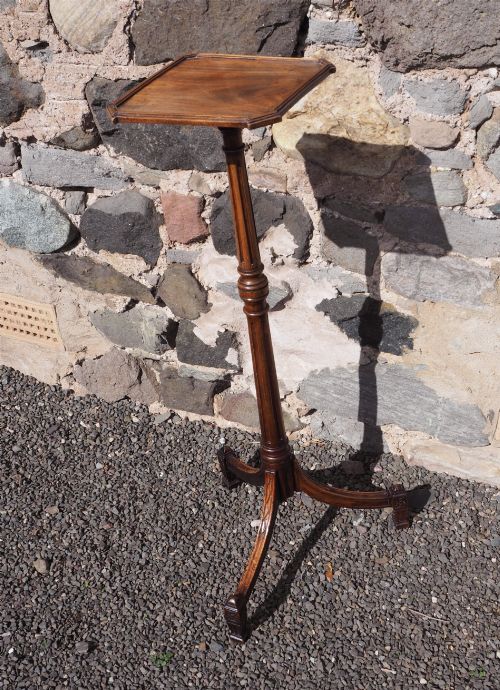
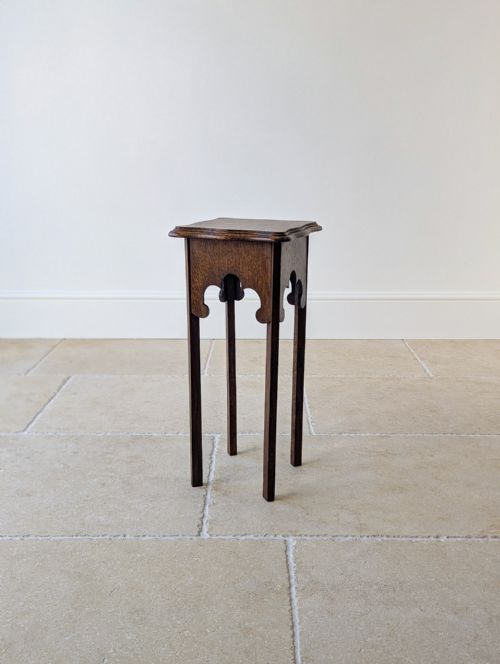
The most common examples on this page take the form of torcheres, plant stands, columns and plinths. Their silhouettes range from slender tripod supports to heavy carved pillars intended to anchor a corner or display a bust.
Materials and Construction
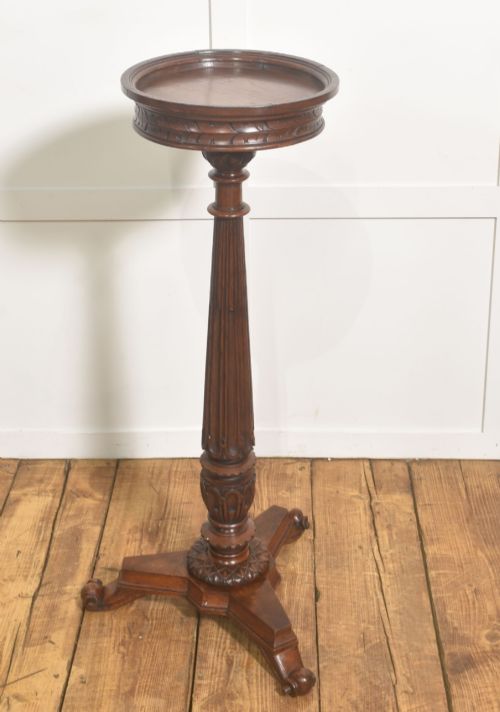
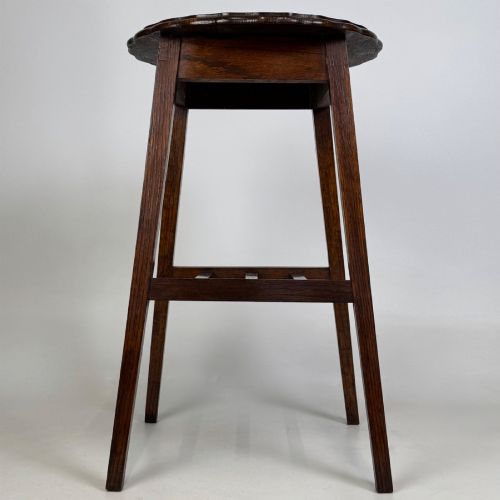
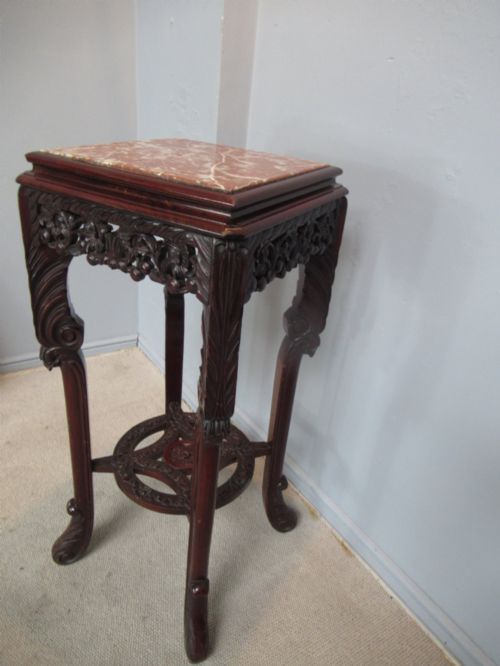
Cabinet-makers relied primarily on hardwoods such as mahogany, walnut and oak, occasionally incorporating ebonised wood or satinwood for decorative contrast. Surfaces often combined turned or carved timber with inset marble tops designed to resist moisture from potted plants.
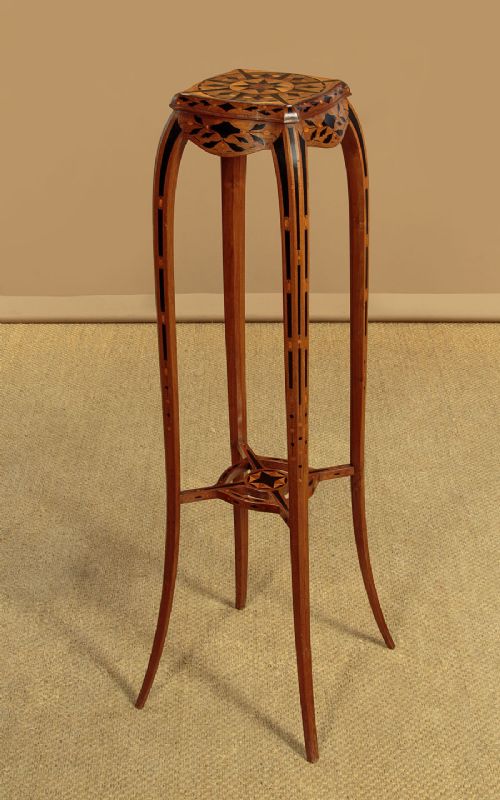
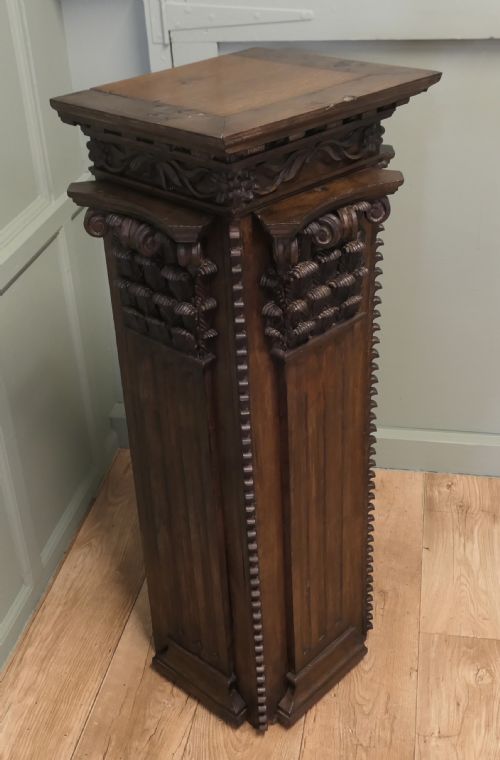
Construction techniques include finely turned columns, hand-carved pillars and sturdy tripod bases secured with pegged joints or internal bracing. Selected pieces utilise marquetry inlay or contrasting kingwood veneers to catch the light.
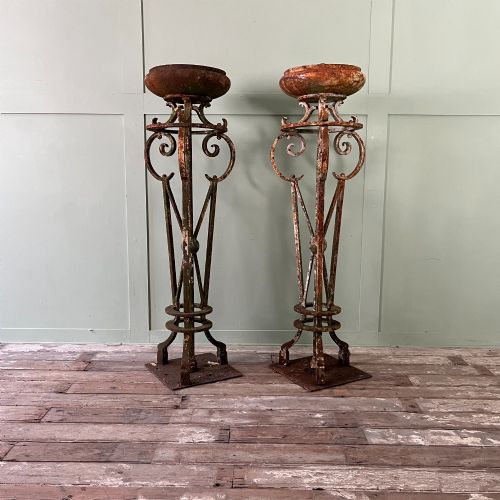
Original green paint survives on certain nineteenth-century torchières, preserving the exact tone chosen by the decorator.
Quality and Proportion
The distinction between standard items and exceptional pieces rests upon the crispness of the carving and the integrity of the timber selection. Heavier woods and substantial marble inserts indicate high workshop standards, whereas lighter domestic versions rely on simpler turned components.
Proportion and balance dictate the success of a tall stand, ensuring the narrow footprint remains stable under the weight of a stone bust or heavy ceramic jardiniere. Subtle details such as reeded columns or fine stringing elevate the piece above utilitarian workshop production.
Druce & Co London·Shoolbred·François Linke·Liberty of London
The Antique Tall Pedestal Stand Glossary
- Torchere
- A tall, slender stand originally designed to hold a candle or lamp. These pieces often feature circular tops supported by carved columns.
- Jardiniere
- A large decorative pot or stand intended for holding plants. In furniture terms, the stand itself is built to support heavy floral arrangements.
- Plinth
- A heavy rectangular or square base supporting a column or statue. It provides stability and visual weight to the composition.
- Ebonised
- Wood treated with a dark finish to imitate ebony. This technique gained popularity during the nineteenth century for decorative contrast.
Antique Tall Pedestal Stand: Frequently Asked Questions
What were antique tall pedestal stands used for?
These tall stands served practical and decorative functions in period interiors, lifting lighting, urns and botanical specimens to eye level. They placed emphasis upon specific decorative objects within a reception room or hallway.
Wealthy households utilised torcheres for illumination before electric lighting reached every corner of a residence. Later, plant stands and display columns became central to interior garden displays in conservatories and drawing rooms.
How do I choose the right height?
Selecting the correct height depends on the object you intend to place on top and the surrounding furniture scale. Shorter columns suit heavy bronze busts, while taller slender torcheres work best with trailing plants or decorative urns.
Consider the sightlines in your room to ensure the combined height of the stand and its display piece complements neighbouring tables and mantelpieces.
Are marble top stands durable?
Marble inserts provide a cool, stable surface that successfully resists moisture from potted plants and heavy vases. This material choice protects the wooden structure beneath from water damage.
While robust, the stone requires basic care to avoid staining from organic matter or chipping along the polished edges during relocation.
How do I distinguish Victorian from Edwardian stands?
Victorian pieces generally favour heavier timber dimensions, deep relief carving and darker mahogany or walnut finishes. Their forms often reflect classical revival styles with substantial turned elements.
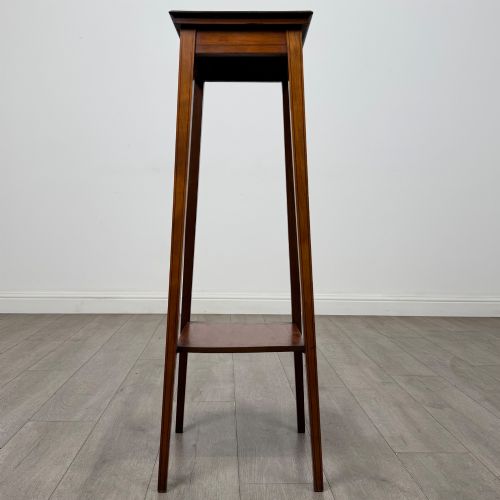
Edwardian examples tend towards lighter satinwood or inlaid mahogany constructions, reflecting Arts and Crafts or Sheraton revival influences with simpler, cleaner lines.