


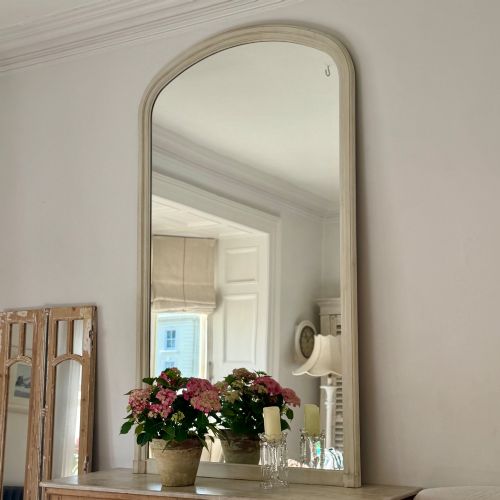


Antique Tall Mantel Mirror
An antique tall mantel mirror brings vertical reach and reflective light to a room, drawing the eye upwards above a fireplace.
Antique Tall Mantel Mirror
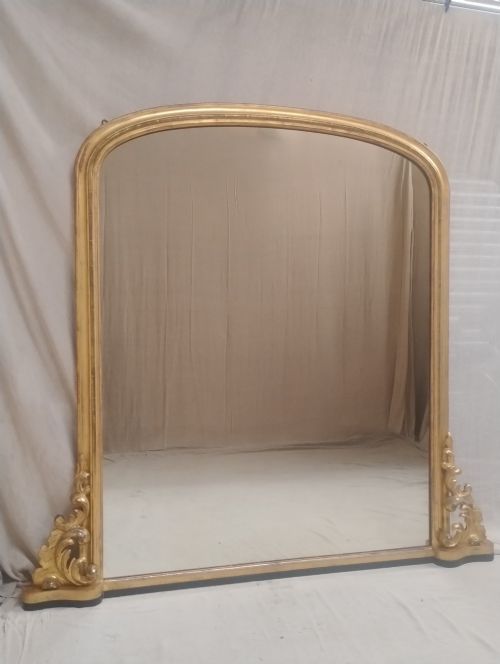
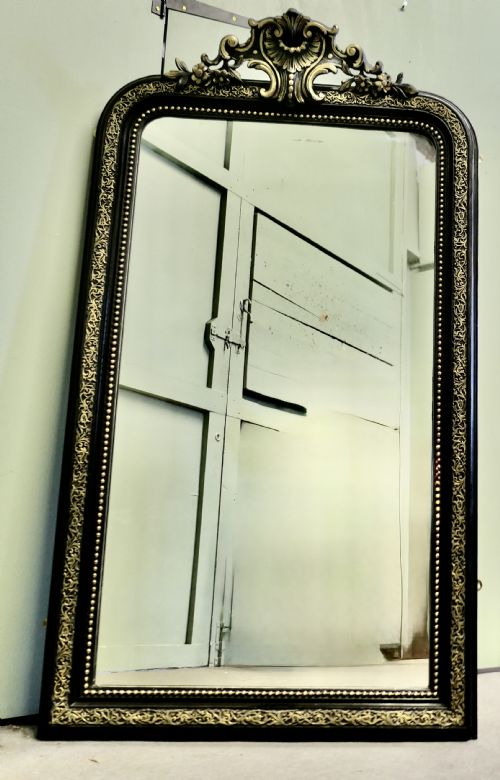
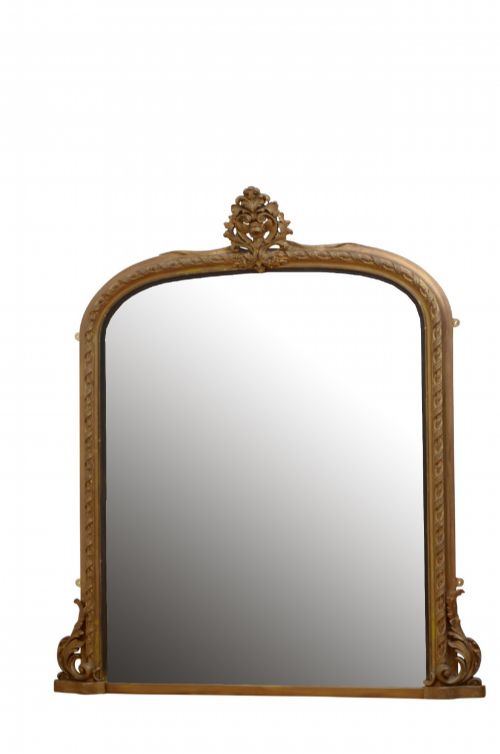
When you search for an antique tall mantel mirror, you encounter substantial vertical looking glasses designed to sit above fireplace hearths or anchor narrow wall spaces between windows. These pieces stretch upwards in height, frequently featuring arched, shaped, or straight tops that dominate the wall they inhabit.
The selections available span multiple decades and stylistic influences, bringing together English and French cabinet-making traditions from the Georgian era through the late nineteenth century. You are most likely to meet large giltwood overmantels and narrow pier mirrors that utilise considerable height to amplify light within a room.
Materials and construction methods
Maker workshops built the structural frames primarily from wood, often applying layers of gesso to create smooth surfaces suitable for intricate carving and moulding. This foundation received applications of gold leaf, silver leaf, or paint to achieve the finished decorative appearance.
Mirrors incorporated glass plates held within the wooden and gesso framework, sometimes retaining their original plates with authentic ageing and foxing. Carved wooden elements defined stylistic periods ranging from French Second Empire to Regency and Louis Philippe revivals.
Antique Tall Mantel Mirror Retail Price Guide 2026
Typical asking prices for tall mantel mirror among the pieces listed under this phrase on Sellingantiques today, from the lower quarter to the upper quarter. They describe what is for sale here now, not the wider market.
The listings demonstrate a strong presence of nineteenth-century French designs, utilising carved wood, gesso, and giltwood finishes across various arched formats.
Distinctions in quality
Quality rests in the depth and crispness of the carved wood and gesso ornamentation, where skilled hands shaped organic motifs and architectural details rather than relying on heavy, flat moulding. The handling of the gilt or silver leaf application also distinguishes finer examples, showing careful burnishing and cohesive coverage across complex contours.
The integrity of the frame construction and the retention of original glass plates separate superior items from heavily restored alternatives. Pieces displaying balanced proportions, harmonious scale, and well-preserved surface patination represent the upper tier of these vertical looking glasses.
The Antique Tall Mantel Mirror Glossary
- Giltwood
- Wood coated with gold leaf applied over a prepared gesso ground. This finish provides the characteristic metallic brilliance seen on many period frames.
- Gesso
- A mixture of gypsum and binder applied to wooden frame foundations. It creates a smooth base layer that carvers shape into crisp decorative details before gilding.
- Pier Mirror
- A tall, narrow looking glass designed to hang on the wall space between two windows. They frequently match consoles or low tables positioned underneath.
- Overmantel Mirror
- A large mirror specifically proportioned to sit on the mantelpiece above a fireplace. These pieces often span considerable widths and heights to fill chimney breasts.
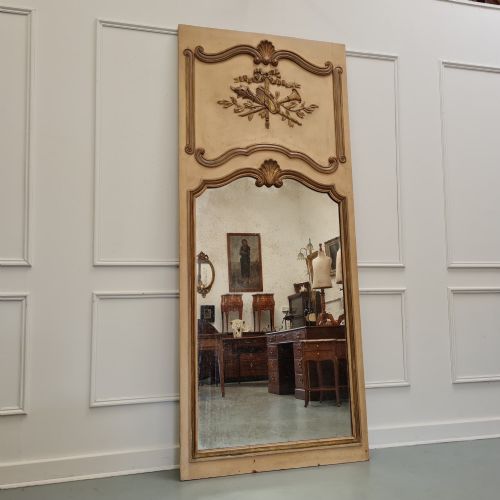
- Trumeau Mirror
- A decorative wall mirror incorporating a painted panel or artwork above the glass plate. Originating in France, these pieces integrate wall panelling styles.
Antique Tall Mantel Mirror: Frequently Asked Questions
Where should a tall mantel mirror hang?
These tall mirrors find their traditional home centred on the chimney breast directly above a fireplace mantel. Their vertical proportions pull the gaze upward and reflect natural light across the entire space.
Alternatively, narrow pier variants suit wall spaces between windows or above console tables. Positioning depends primarily on the ceiling height and the available wall expanse.
Are original mirror plates common?
Some pieces retain their original glass plates, which often display light foxing, minor speckling, and gentle distortion from early manufacturing methods. These aged characteristics confirm the historical continuity of the mirror.
Replacement glass plates appear in other examples where centuries of wear necessitated restoration. Both original and replaced plates serve functional roles within the antique frames.
How do I care for an antique gilt frame?
Giltwood and gesso surfaces require gentle dusting with a soft, dry brush to prevent accumulation without disturbing the delicate gold or silver leaf layers. Moisture and chemical cleaning agents damage the historic finish.
Handling the frame safely requires avoiding pressure on the carved cresting elements. Stable indoor environments protect both the wooden substructure and the reflective glass plate.