

Antique Tall Display Stand
An antique tall display stand elevates sculpture, plants and ceramics, bringing vertical emphasis and presence to a room.
Antique Tall Display Stand
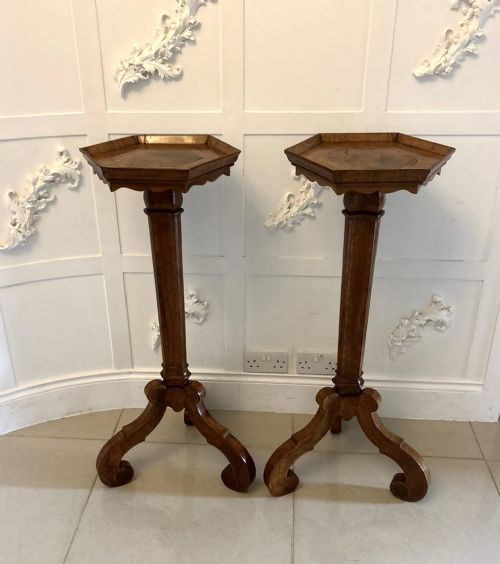
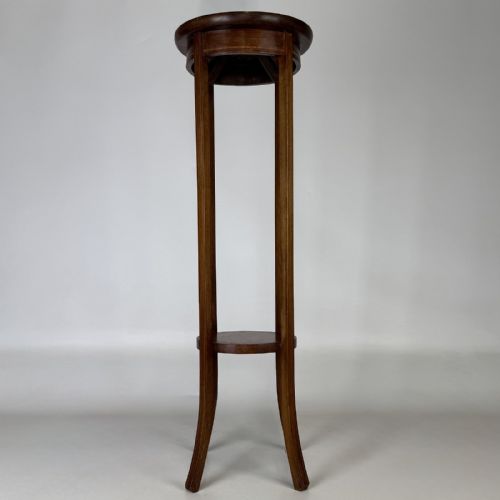
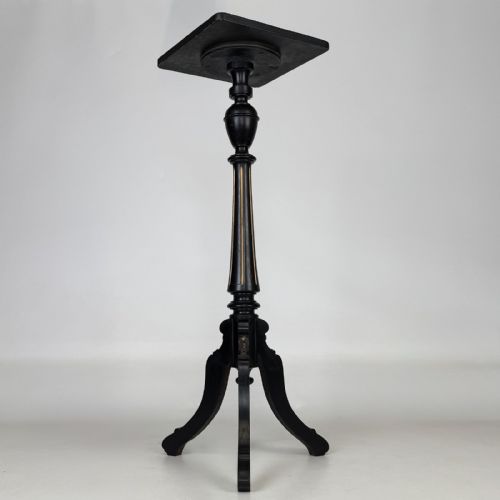
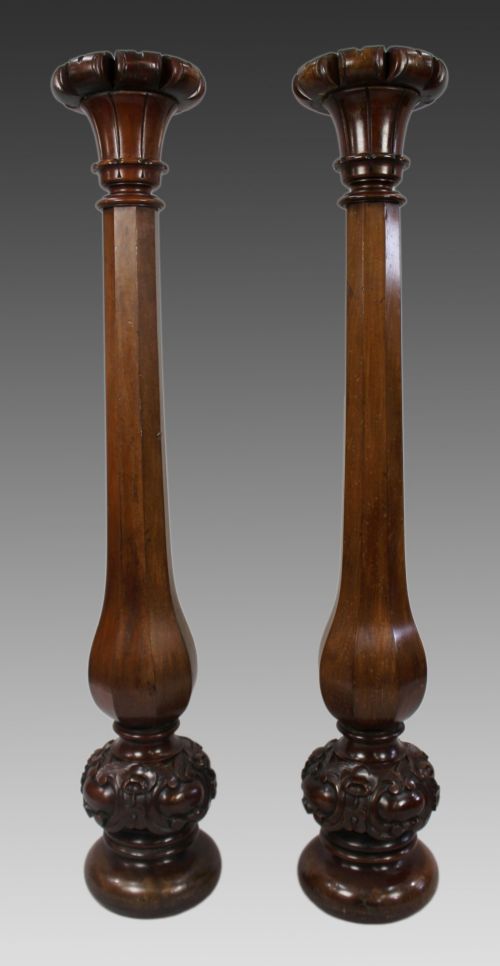
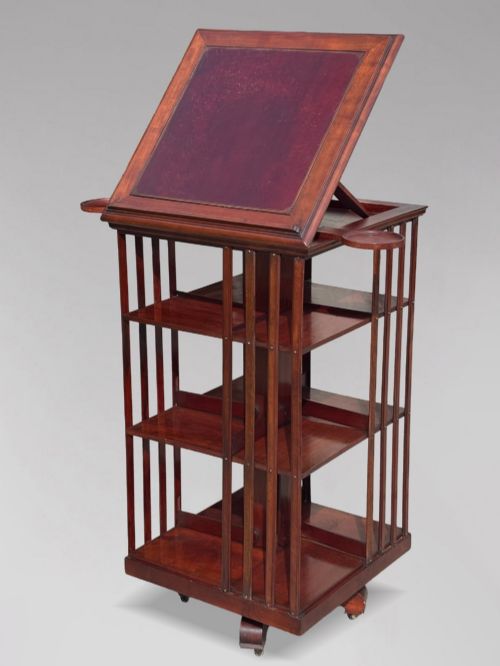
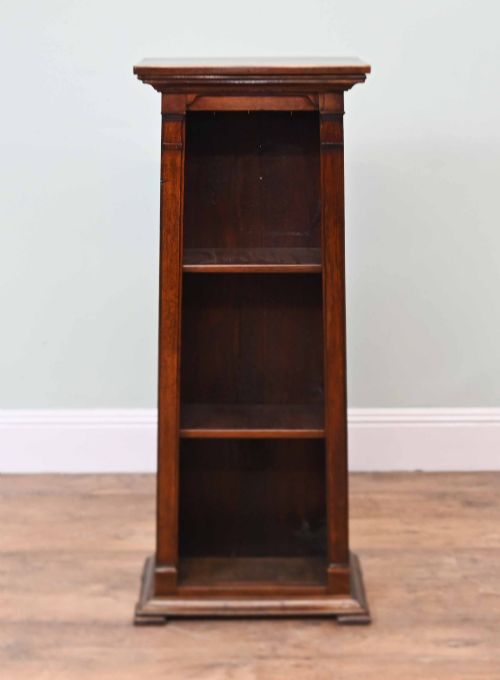
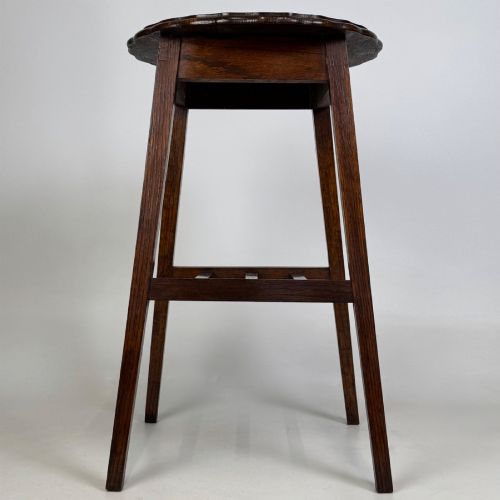
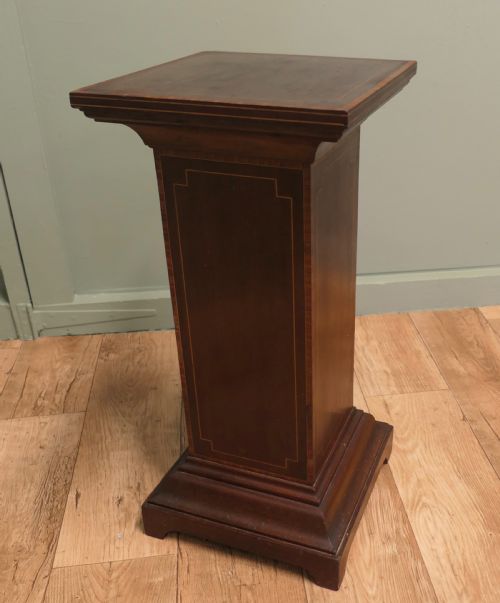
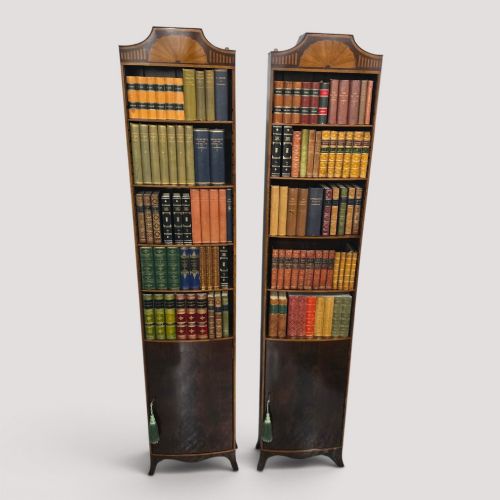
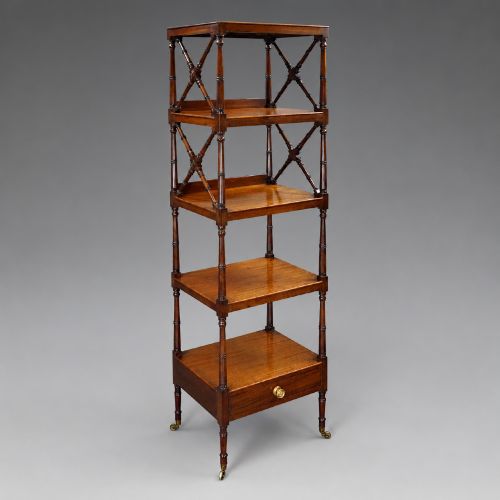
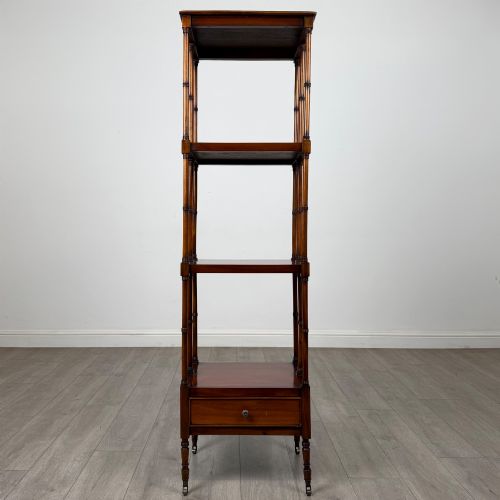
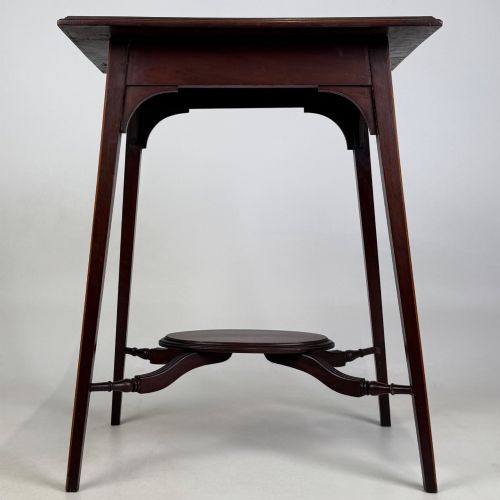
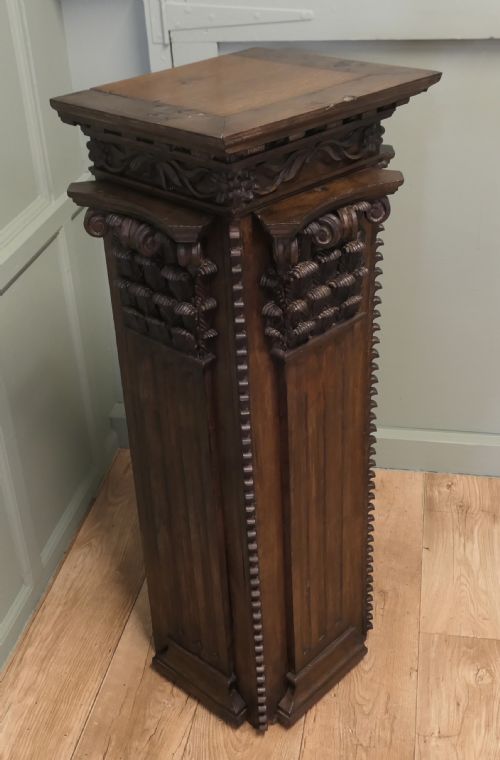
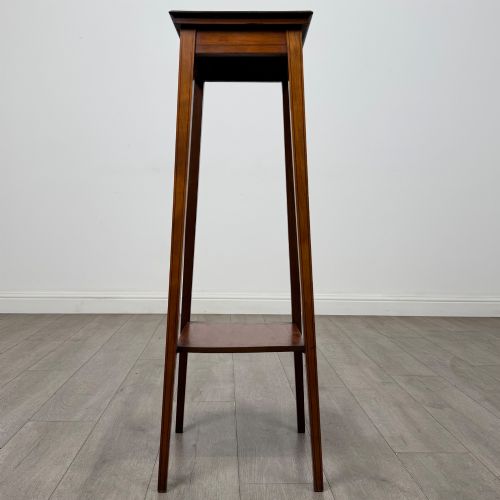
An antique tall display stand encompasses a diverse group of vertical furnishings designed to hold objects of interest, including plant stands, torcheres, pedestals, columns, and open bookcases. You are most likely to encounter Edwardian and Victorian examples in mahogany or oak, often configured as slender plant stands, columns, or tiered bookcases.
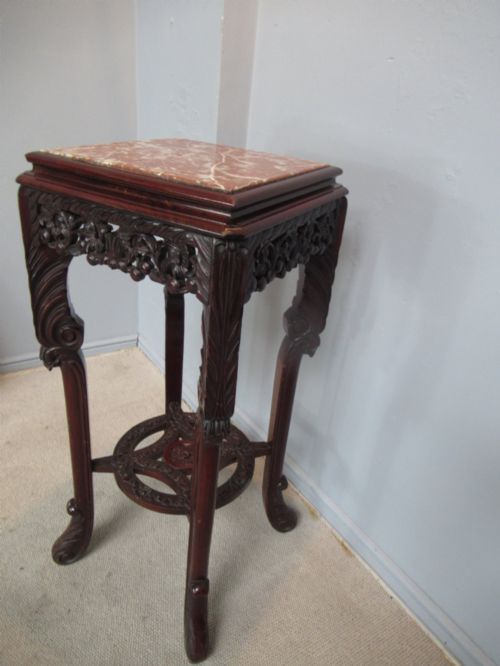
Makers and craftsmen produced these pieces across the Georgian, Victorian, and Edwardian eras, utilising hardwoods to create stable structures with a minimal floor footprint. Forms range from simple turned oak plinths to marble-topped pedestals and inlaid satinwood torcheres.
The functional intent behind an antique tall display stand remains the elevation of decorative items for display within domestic interiors. Listings frequently show pieces functioning as plant holders, lamp tables, or dedicated display columns for sculpture and porcelain.
What varies in quality
Quality in an antique tall display stand rests on the selection of timber, the crispness of carved or turned details, and structural stability under load. Superior examples exhibit dense, well-figured mahogany or richly grained oak, whereas lesser pieces utilise plain secondary woods with minimal decorative ambition.
The integration of mixed media, such as fitted marble tops, inset brass mounts, or delicate satinwood inlay, elevates a piece from a utilitarian holder to a sophisticated item of furniture. Proportion and balance also determine distinction, with finer stands achieving slender elegance without compromising the load-bearing capacity required of tall furniture.
Shoolbred·Liberty of London
The Antique Tall Display Stand Glossary
- Torchere
- A tall, slender stand designed to support a lamp, vase, or candle. These pieces typically feature a small circular top supported by a single turned or carved column.
- Pedestal
- A structural support column used to elevate sculpture, urns, or display items. They appear in marble, carved oak, and mahogany across the nineteenth and twentieth centuries.
- Whatnot
- An open set of multi-tiered shelves designed for displaying ornaments and books. They utilise a tall footprint to maximise display space in corner or wall positions.
- Jardiniere
- A large decorative pot or stand intended for holding plants and flowers. In tall display pieces, the stand elevates the planter to eye level.
- Plinth
- A heavy flat base or lower block supporting a column, statue, or cabinet. It provides stability and visual weight to tall vertical furniture.
Antique Tall Display Stand: Frequently Asked Questions
What is the difference between a torchere and a pedestal?
A torchere is traditionally a light, decorative stand intended for a lamp or vase, featuring a slender turned column and a small top. A pedestal is typically more substantial and heavier, built to bear the considerable weight of marble busts or heavy sculptures.
While both share a tall vertical profile, torcheres lean towards ornamental carving and inlay, whereas pedestals prioritise robust structural support and architectural column forms.
How were tall display stands used in period homes?
In Victorian and Edwardian interiors, these stands occupied corners, hallways, and drawing rooms to display prized possessions like potted palms, bronzes, and ceramic vases. Elevating plants protected delicate flooring from water and brought greenery closer to window light.
They also served as functional lighting supports before the widespread adoption of fitted ceiling fixtures, holding oil lamps or candles securely above foot traffic.
Are marble top stands durable enough for daily use?
Marble top stands were specifically engineered to endure the moisture from potted plants and the weight of heavy stone or bronze ornaments. The stone surface resists staining from damp garden pots far better than polished wood.
Care is required primarily to avoid chipping the edges of the inset marble slab during relocation or vigorous cleaning.
How do I identify an Edwardian plant stand?
Edwardian plant stands frequently showcase lighter timbers such as satinwood, oak, and inlaid mahogany, reflecting the brighter interior aesthetics of the early twentieth century. They often incorporate subtle arts and crafts influences or delicate stringing and marquetry.
Construction tends to be lighter than heavy Victorian equivalents, with tapered legs, two-tier shelving designs, and slatted or galleried plant platforms.