





Antique Tall Chair
An antique tall chair commands the room with an elevated stature, offering striking vertical presence and period craftsmanship.
Antique Tall Chair
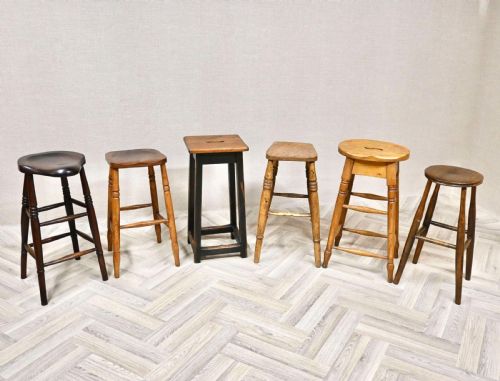
An antique tall chair encompasses varied seating forms designed with elevated proportions, spanning bar stools, nursing chairs, highchairs, and high-back armchairs. These pieces emerge across several periods including the 18th century, Regency, Victorian era, and early 1900s.
The selection ranges from rustic farmhouse windsors and clerk's stools to formal walnut fauteuils and Portuguese Baroque side chairs. Buyers commonly encounter mahogany, oak, and walnut constructions, frequently paired with upholstered elements in velvet and fabric.
Regional and stylistic influences shape the offerings, moving from English country and William and Mary revival designs to French aesthetic movement and Art Nouveau pieces. Each form serves a distinct domestic or commercial purpose, from high-back hall seating to tavern furnishings.
Materials and construction methods
Cabinetmakers and joiners utilised robust timbers such as mahogany, oak, walnut, beech, elm, and rosewood to construct the frames of an antique tall chair. Turned components, carved details, and bamboo elements appear frequently across the various styles.
Upholstery techniques involved traditional stuffing and securing with materials like velvet and patterned fabric, often accented with buttoning. Brass fixtures and hardware provide structural reinforcement and decorative contrast on specific pieces.
Antique Tall Chair Retail Price Guide 2026
Typical asking prices for tall chair among the pieces listed under this phrase on Sellingantiques today, from the lower quarter to the upper quarter. They describe what is for sale here now, not the wider market.
Clerks and tavern keepers once perched on extra tall stools designed to keep watch over bustling rooms.
Distinctions in quality and execution
The degree of refinement in carved ornamentation and the precision of turned structural elements distinguish finer examples from simpler utilitarian seating. Superior timber selection and the integrity of joint construction dictate the overall endurance of the frame.
Proportional harmony between the elevated back and the base seating area plays a decisive role in the visual balance of the piece. The preservation of original surface finishes and period upholstery methods adds significant character to the construction.
The Antique Tall Chair Glossary
- Fauteuil
- An open-armed upholstered armchair originating in France, typically featuring exposed wooden framing around the back and armrests. These pieces combine formal elegance with comfortable seating.
- Wing chair
- An armchair with side panels or wings attached to the back, designed to shield the occupant from drafts. Early examples often incorporate high backs and substantial wooden frames.
- Nursing chair
- A low-seated chair with a tall back, traditionally utilised for nursing infants in domestic settings. The elevated back provides head and neck support.
- Bar stool
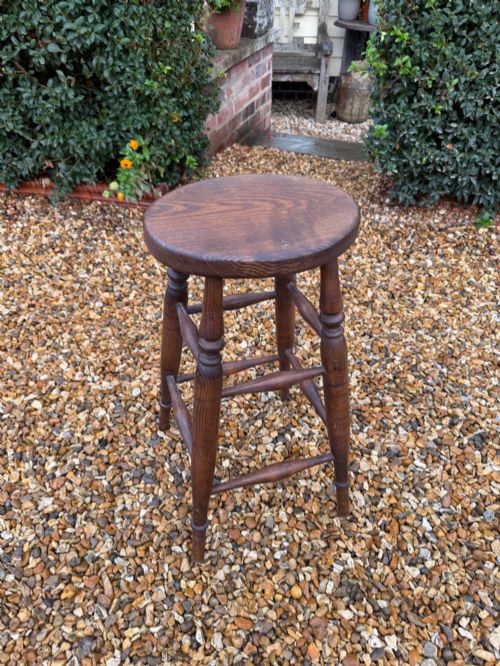
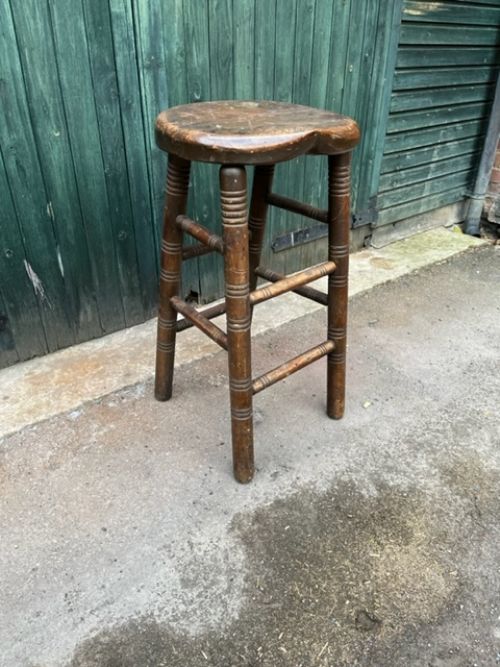
- A tall seat designed for use at elevated counters or bars, frequently featuring turned wooden legs and a footrest. These practical forms appear in commercial and tavern settings.
- Balloon back
- A rounded, oval-shaped chair back resembling the profile of a hot air balloon, popular during the Victorian period. This distinctive contour requires skilled timber bending.
- Windsor chair
- A wooden chair constructed with a solid wooden seat into which the legs and back spindles are direct-tenoned. Rustic variations often include extra tall backs for added support.
Antique Tall Chair: Frequently Asked Questions
What is an antique tall chair used for?
These elevated seats served diverse purposes throughout history, from nursing infants and clerical desk work to tavern hospitality and formal hall display.
Today, buyers utilise them to introduce vertical lines and historical character into modern interior spaces.
How do I date an antique tall chair?
Dating relies on identifying period-specific stylistic markers, such as Art Nouveau curves, Victorian buttoning, or William and Mary revival turning.
Examining the underlying timber species and construction methods also helps narrow down the century of manufacture.
Are tall chairs comfortable for daily seating?
Comfort varies significantly depending on the specific form, such as cushioned Victorian nursing chairs versus rigid wooden clerk's stools.
Upholstered high-back armchairs generally offer substantial support, whereas side chairs and stools are better suited for occasional use.
How do I style a tall chair at home?
A tall chair creates a dramatic focal point in a hallway, corner, or study, drawing the eye upward and accentuating ceiling height.
Pairing the piece with complementary period furnishings helps integrate the elevated proportions into the existing room layout.