


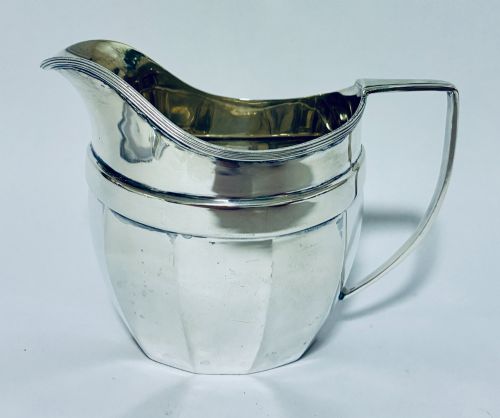


Antique Tableware Pitcher
These antique tableware pitchers span centuries of craftsmanship, offering practical service and refined form for the modern table.
Antique Tableware Pitcher
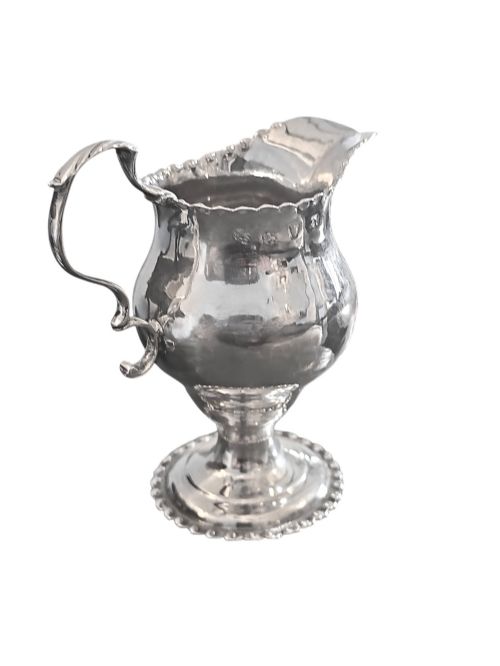
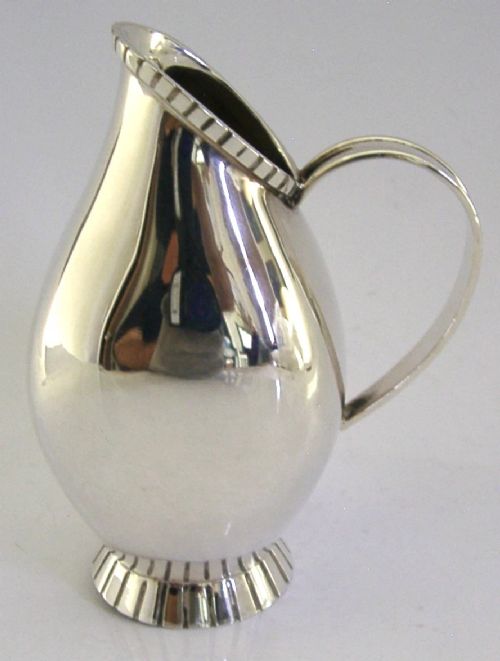
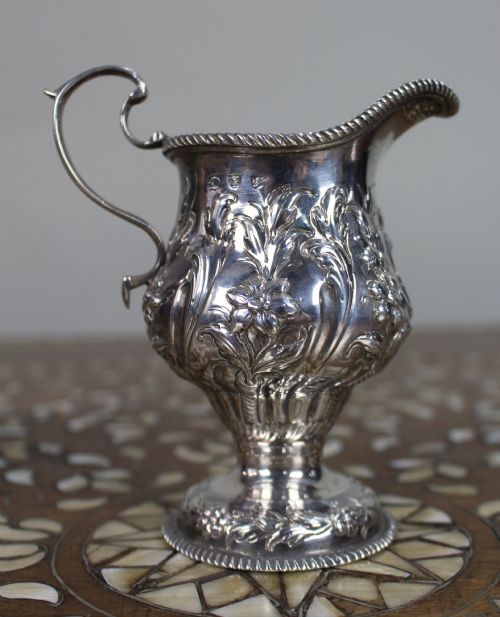
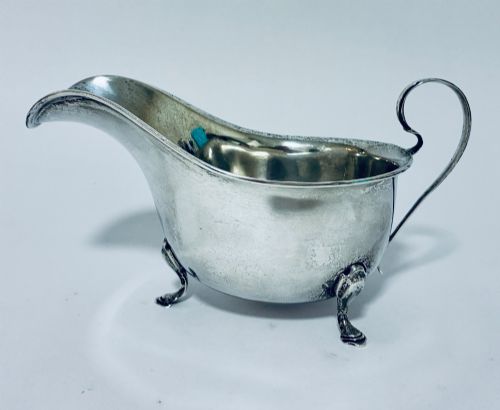
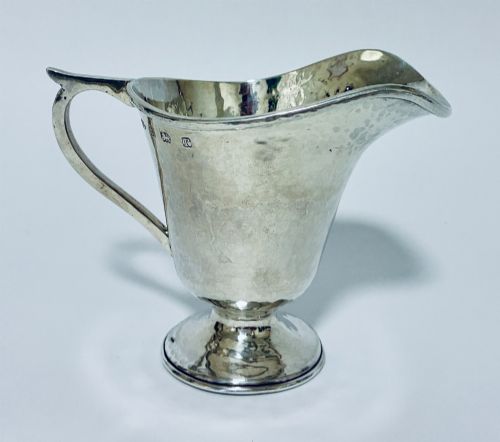
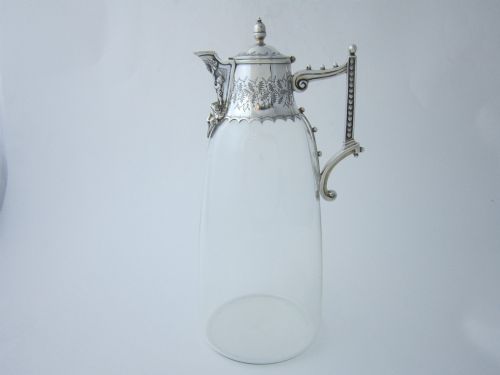
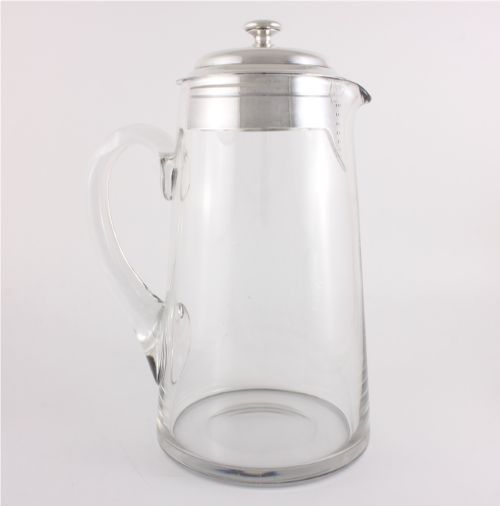
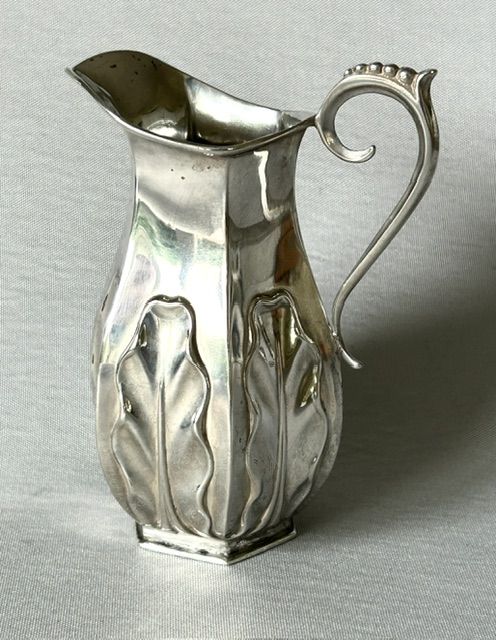
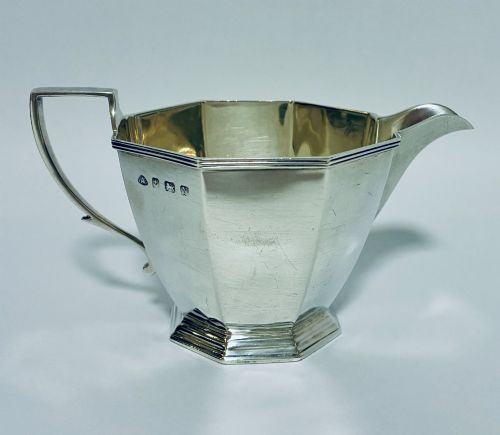
When you search for an antique tableware pitcher, you encounter a varied selection of functional vessels designed for serving liquids at the dining table. The listings here predominantly feature smaller serving forms such as cream jugs, milk jugs, sauce boats, and creamers, alongside larger claret and wine jugs.
The pieces cross multiple periods, with a strong representation of Georgian and Victorian examples. You will find items originating from regional silversmiths, London workshops, and notable pottery centres, reflecting the changing domestic habits of past centuries.
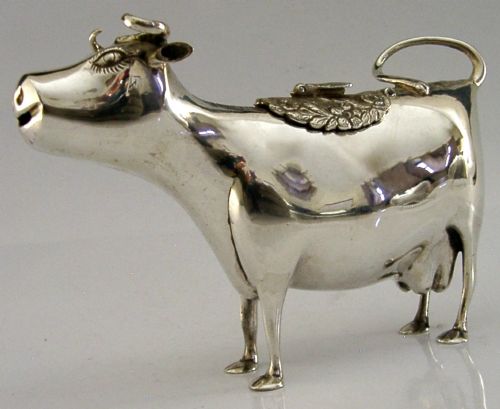
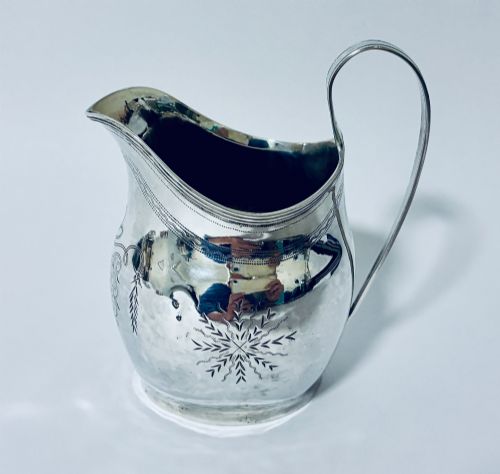
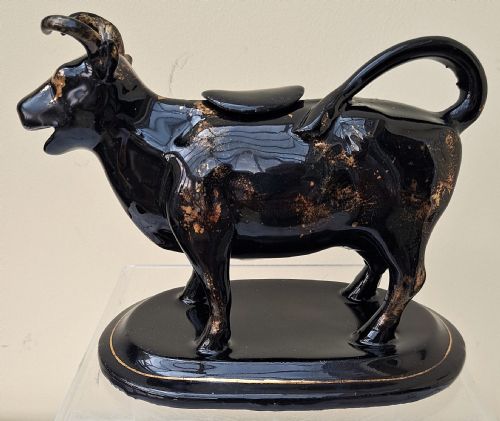
Form follows function across these pieces, ranging from the classic helmet shape of the eighteenth century to pedestal ewers and stoneware novelties like the Jackfield pottery cow creamer. Each style serves a specific pouring purpose, whether dispensing cream into tea or gravy over a Sunday roast.
Materials and construction methods
Sterling silver and silver plate dominate the metalwork selection, often shaped through traditional silversmithing techniques such as raising, casting, and hand-chasing. Pieces frequently incorporate crisp bright-cut engraving or cast feet, demonstrating the precise control smiths held over the malleable metal.
Ceramic examples utilise porcelain and stoneware bodies, seen in New Hall porcelain, Chamberlain Worcester armorial pieces, and Doulton Lambeth salt-glazed stoneware. Potters shaped these materials on the wheel or in moulds before applying hand-painted glazes and cobalt or polychrome decoration.
Glass vessels rely on blown and moulded techniques, frequently enhanced with wheel-cutting or etching to create decorative motifs like grapes and vines. Cranberry glass and clear crystal pieces highlight the Victorian preference for colourful or refractive table glass.
Antique Tableware Pitcher Retail Price Guide 2026
Typical asking prices for tableware pitcher among the pieces listed under this phrase on Sellingantiques today, from the lower quarter to the upper quarter. They describe what is for sale here now, not the wider market.
Listings span several centuries of domestic service, featuring materials from bright sterling silver and Sheffield plate to richly coloured cranberry glass and salt-glazed stoneware.
Assessing quality in service vessels
Quality rests heavily on the weight of the metal and the crispness of the secondary decoration. Heavy gauge sterling silver maintains rigid walls and sharp engraving, whereas thinner pieces lose definition in the chased patterns and feel light in the hand.
In ceramics and glass, excellence appears in the balance of the handle, the symmetry of the spout, and the control shown in hand-painted enamel or deep wheel-cut facets. A well-thrown porcelain body displays uniform wall thickness and a smooth, unblemished glaze free from firing distortion.
Maker marks and hallmarks provide a clear indicator of origin and standard, adding historical weight to metal pieces. Clear stamps from known silversmiths or documented factories like Chamberlain Worcester elevate a piece beyond standard domestic ware.
James Gordon·John Emes·Peter and Ann Bateman·Robert Pringle and Sons·Doulton Lambeth·New Hall·Chamberlain Worcester
The Antique Tableware Pitcher Glossary
- Cream jug
- A small pitcher designed specifically for holding and pouring cream during tea service. They often match larger sugar bowls and teapots in a formal tea set.
- Sauce boat
- An open vessel with a lip and a handle, used for serving gravies, custards, or sauces. These typically feature an oval body resting on an integrated foot or stand.
- Ewer
- A large pitcher with a wide spout and a substantial handle, historically used for pouring water at the table or washstand. In silver and ceramic forms, they often possess classical urn-like proportions.
- Bright-cut engraving
- A surface decoration technique utilising faceted angled cuts to create sparkling geometric patterns. This style is particularly common on late eighteenth-century silver pitchers.
- Old Sheffield plate
- A composite material made by fusing a thin sheet of silver to a thicker copper base. This precursor to electroplating produces items with a rich, warm lustre.
Antique Tableware Pitcher: Frequently Asked Questions
What is the difference between a milk jug and a cream jug?
Cream jugs are generally smaller vessels intended to hold rich cream for tea, reflecting the smaller quantities consumed in formal settings. Milk jugs are slightly larger to accommodate the greater volume of milk added to breakfast tea or coffee.
Historically, the two terms sometimes overlap in listings, but capacity and proportions usually distinguish the dainty cream ewer from the more utilitarian milk jug.
How do I care for antique silver pitchers?
Wash silver pieces gently in warm soapy water using a soft cloth, avoiding abrasive sponges or harsh chemical dips that strip the natural patina. Dry them thoroughly with a lint-free towel to prevent water spots.
Store metal items in a dry environment away from direct sunlight, and polish them infrequently with a high-grade silver cloth only when tarnish obscures the detail.
Can I use these antique pitchers for daily dining?
Silver, glass, and ceramic pitchers remain fully functional for serving liquids at the modern table. Ensure ceramic and glass vessels are hand-washed rather than placed in modern dishwashers, which can damage old glazes and thermal structures.
Take care with thermal shock when pouring boiling liquids into unheated glass or early porcelain vessels, allowing the material to adjust to the temperature gradually.
How do I identify a Georgian silver pitcher?
Look for crisp hallmarks stamped directly onto the metal, which include a date letter, a town mark, and a reigning monarch's profile duty mark. These stamps allow you to date the silver precisely to the reigns of the Georges.
Stylistic cues also help, such as the distinct helmet shape of the late eighteenth century, delicate scroll handles, and bright-cut floral or geometric engraving.