




Antique Tableware Collection
These pieces in the antique tableware collection bring period craftsmanship to the table, offering practical charm and historic character for modern dining.
Antique Tableware Collection
An antique tableware collection spans several centuries of dining and serving ware, encompassing diverse items from the Georgian period to the twentieth century. These objects include utensils, glassware, and vessels designed for practical use at the table.
Pieces originate from various stylistic traditions including Georgian, Victorian, Edwardian, and Art Deco. Buyers encounter items ranging from functional silver coffee spoons to turned hardwood mauchline ware.
Materials and construction
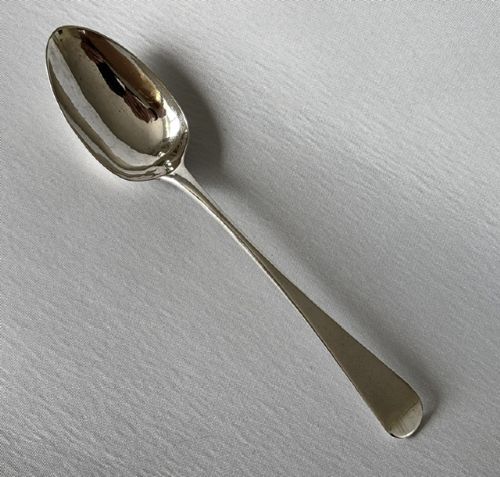
Metal items utilise sterling silver and steel, evident in tablespoons, cutlery sets, and coffee spoons forged or cast during earlier centuries. Silversmiths shaped these metals to create durable and refined dining implements.
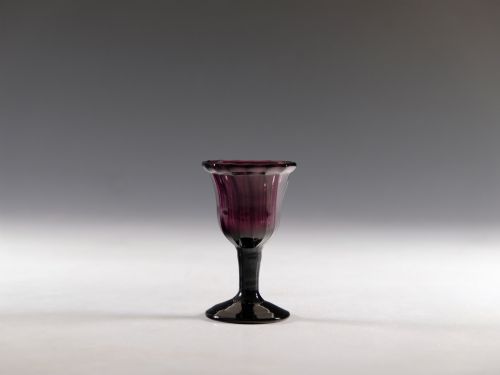
Glass production involves clear glass, amethyst glass, and cranberry glass, shaped into decorative glassware and collections. Artisans applied specific glassblowing and colouring techniques to achieve these distinct tones.
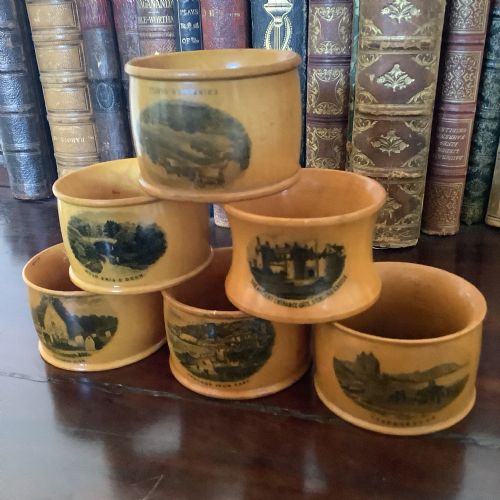
Woodworking relies on hardwoods, sycamore, and treen ware, seen in turned items such as napkin rings and revolving egg cup stands. Craftsmen turned these organic materials on lathes to produce smooth, functional forms.
Antique Tableware Collection Retail Price Guide 2026
Typical asking prices for tableware collection among the pieces listed under this phrase on Sellingantiques today, from the lower quarter to the upper quarter. They describe what is for sale here now, not the wider market.
A revolving egg cup stand once owned by Mrs Henry T Ford the second brings a touch of aristocratic breakfast routine to the table.
Differentiating quality
The refinement of craftsmanship distinguishes standard utility pieces from finer items in silver and glass. Precision in silversmithing marks out superior cutlery and spoons, while glass pieces show clarity of colour and depth in the material.
Provenance and maker attribution elevate certain works, particularly when associated with established names or specific historic periods like the Georgian era. Maker involvement and traceable origin add context that alters the standing of a piece.
The integrity of material preservation affects the overall standard of wooden and ceramic items, such as Doulton Burslem tureens or Mauchline ware rings. Intact surface decoration and faithful period forms maintain the integrity of the object.
Peter & Jonathan Bateman·Doulton Burslem
The Antique Tableware Collection Glossary
- Mauchline ware
- Souvenir items made from turned wood, typically decorated with photographic transfers or tartan patterns. These pieces date predominantly to the Victorian and Edwardian periods.
- Cranberry glass
- A type of red or pink transparent glass created by adding gold chloride to the molten glass mixture. It became particularly popular during the Victorian era for decorative tableware.
- Tureen
- A deep, covered bowl used for serving soups, stews, or sauces at the dining table. They frequently appear in ceramics and silver across various historical styles.
- Treen ware
- Small domestic wooden objects made by turning on a lathe or carving by hand. The term derives from an archaic word for tree.
- Carnival glass
- Moulded or pressed glass treated with a metallic salt spray to give it an iridescent sheen. It emerged in the early twentieth century as an affordable alternative to iridescent art glass.
Antique Tableware Collection: Frequently Asked Questions
What items belong in an antique tableware collection?
An antique tableware collection includes dining accessories like silver spoons, cutlery sets, egg cups, and napkin rings. It also encompasses serving vessels such as tureens and decorative glassware.
These pieces represent domestic dining habits from the eighteenth, nineteenth, and early twentieth centuries. They combine functional utility with the decorative styles of their respective periods.
How do I identify Victorian cranberry glass?
Victorian cranberry glass exhibits a distinctive pinkish-red hue achieved through the use of gold during the melting process. It often appears in decorative tableware and glassware collections from the late nineteenth century.
The glass can be plain or combined with other materials, and it reflects the ornate tastes of the Victorian period. Pieces range from small tabletop items to larger decorative collections.
How can I date silver cutlery sets?
Silver cutlery sets can be dated by examining hallmarks, style, and the manufacturing techniques used by silversmiths. Pieces from the Georgian or Victorian eras display distinct stylistic markers characteristic of their time.
Makers' marks stamped onto the silver provide direct evidence of origin and production date. Comparing the form and weight of the spoons or forks helps place them within a specific century.