
Antique Tableware Accessories
These antique tableware accessories include cased napkin rings, menu holders, knife rests and cruet sets spanning the Georgian to Mid-Century Modern periods.
Antique Tableware Accessories
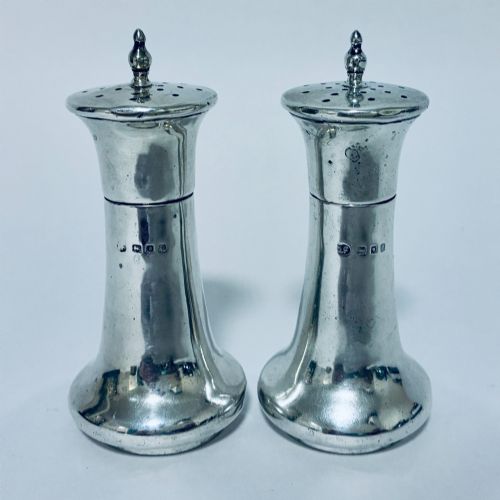
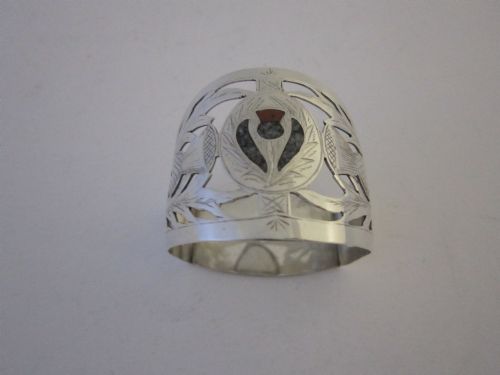
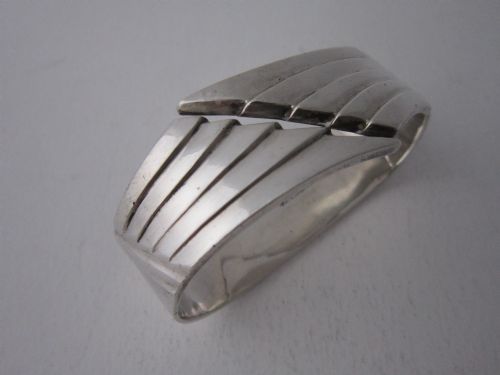
Antique tableware accessories encompass the smaller silver and plated implements used to set and service a formal dining table. Napkin rings, cruet sets, pepper pots and mustard pots form the core of what collectors encounter daily.
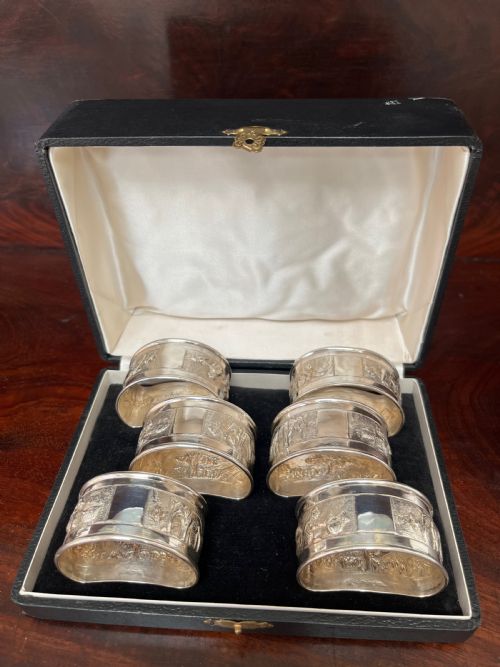
The selection ranges from Georgian toast racks and silver meat skewers to Edwardian menu holders and Victorian butter dishes with glass liners. Cased sets of napkin rings appear frequently, often preserved alongside fitted boxes lined in velvet or silk.
How they were made
Solid sterling silver and silver plate provide the primary metal framework for these objects, shaped through casting, hammering and detailed piercing. Makers utilised materials like agate, glass and mahogany for specific components such as liners, knife rests and cheese coasters.
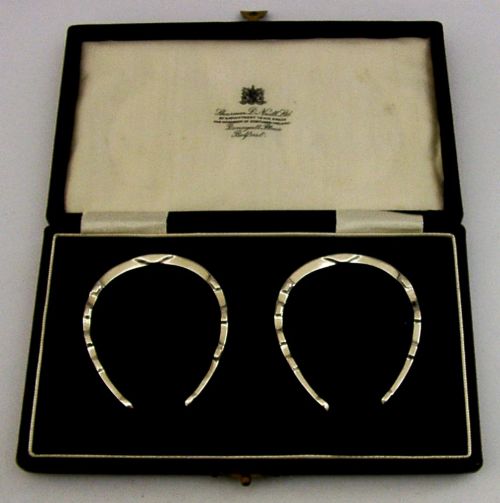
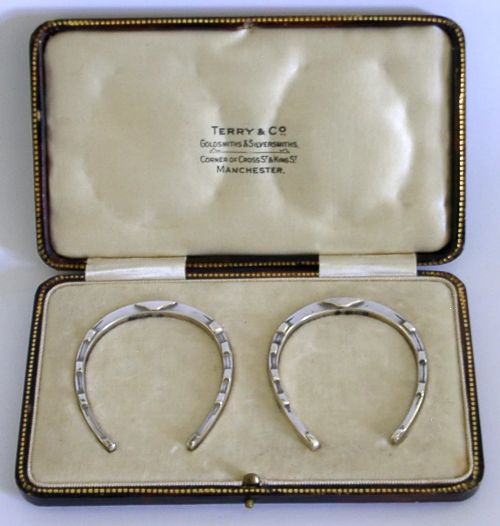
Fitted presentation boxes incorporate protective outer coverings of leather or leatherette. Interior cushioning relies on textiles including velvet and silk to secure cased items like horseshoe napkin rings or cruet sets.
Listings span the Georgian, Victorian, Edwardian and Mid-Century Modern periods, utilising sterling silver, silver plate, glass and mahogany.
What varies in quality
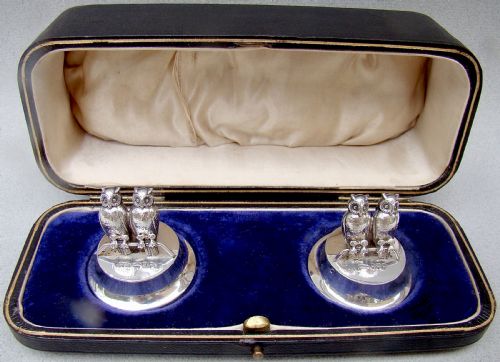
Quality rests in the precision of the silversmith's hand, seen in crisp hallmarks, balanced proportions and defined chasing on figural pieces such as monkey sugar tongs or owl menu holders. Plain utilitarian items rely entirely on gauge and weight of metal for their enduring appeal.
The survival of original fitted cases and associated glass liners alters the completeness of an object. Finer examples maintain crisp detail across complex decorative styles spanning Art Nouveau, Art Deco and earlier Victorian motifs.
Levi & Salaman·Mappin and Webb·Dee & Fargus·Sampson Mordan·Georg Jensen·Goldsmiths & Silversmiths Co.
The Antique Tableware Accessories Glossary
- Cruet set
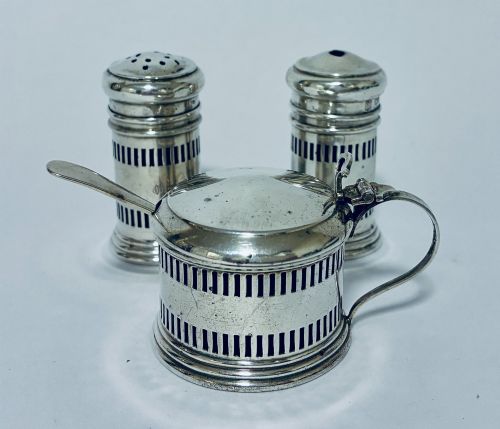
- A matched group of small bottles or jars for holding condiments, held together in a metal stand or frame. These sets often include pepper pots, mustard pots and salt cellars.
- Knife rest
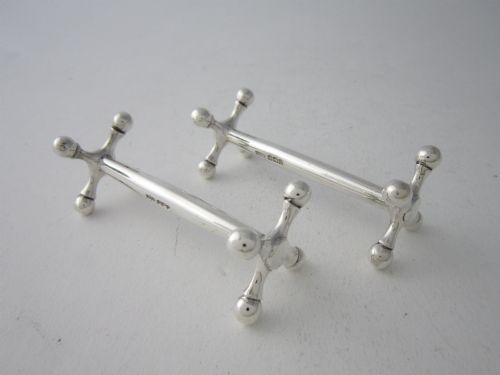
- A small support designed to keep the blade of a carving or dining knife elevated off the tablecloth between courses. They appear in matching pairs and sets of four.
- Menu holder
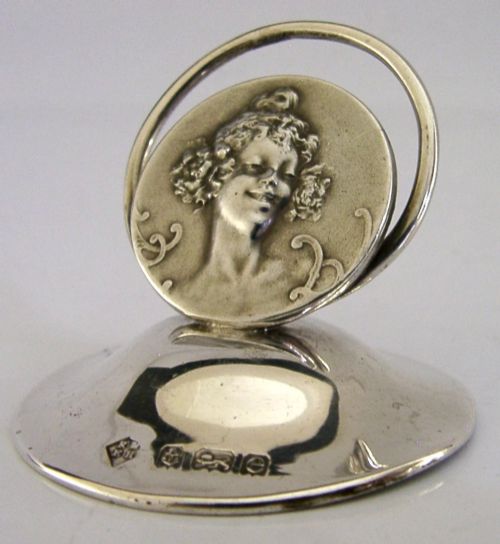
- A small upright display piece used on a dining table to hold individual menu cards or place markers. Examples often take novelty forms modelled as animals or figures.
- Sugar tongs
- Small spring-action implements used for lifting sugar lumps into tea or coffee. They range from simple stamped metal to elaborate figural designs.
- Toast rack
- A metal frame with vertical dividers designed to hold slices of toast upright and prevent them from becoming soggy. Georgian and Victorian examples display varied divider configurations.
Antique Tableware Accessories: Frequently Asked Questions
How do I clean antique silver tableware?
Use a specialised silver polish and a soft cloth to remove tarnish gently without abrading the surface details. Avoid harsh chemical dips that strip the natural patina accumulated over decades.
Store pieces in dry environments, and keep cased sets away from direct sunlight to protect interior velvet and silk linings.
Were napkin rings always engraved?
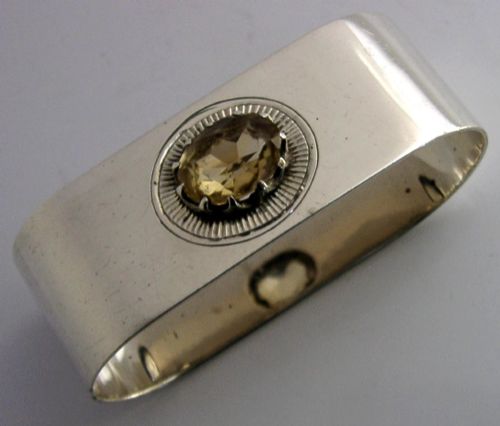
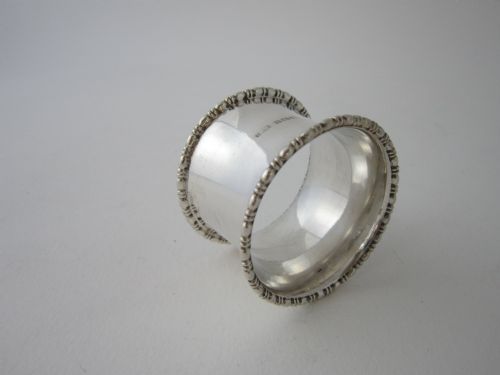
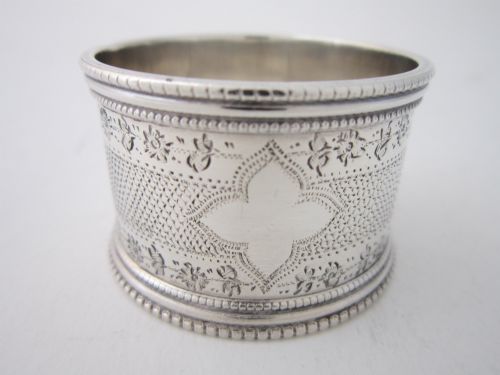
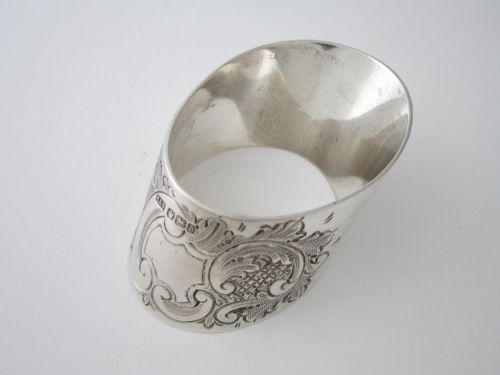
Many Victorian and Edwardian napkin rings feature blank cartouches intended for personal monogramming by the original owner. Unengraved examples remain common alongside those bearing elaborate floral or geometric chasing.
Numbered sets of six were produced to help guests identify their place at large dinner parties.
What is a novelty menu holder?
Novelty menu holders are small figural pieces shaped as animals, birds or human characters engaged in humorous activities. Makers like Sampson Mordan produced detailed silver examples depicting owls and monkeys.
These items served a dual purpose as conversation pieces and practical table markers during formal meals.
How are silver plated items marked?
Silver plated items carry manufacturer marks and trade symbols that differ from official sterling silver town hallmarks. Marks often denote specific electroplating processes or maker house brands.
Researching the specific stamp helps date pieces such as nineteenth-century bread baskets and butter dishes.