
Antique Tabletop Cupboard
An antique tabletop cupboard offers compact storage, bringing miniature chests, spice drawers, and display cabinets from past centuries onto a desk or side table.
Antique Tabletop Cupboard
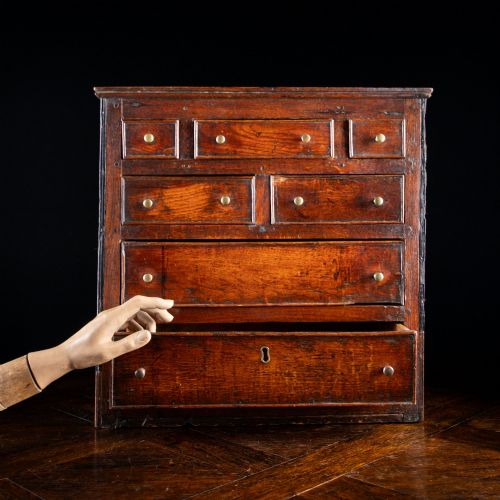
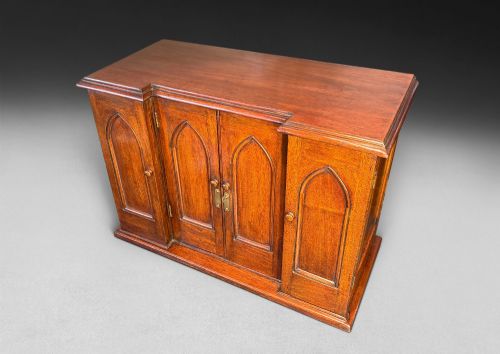
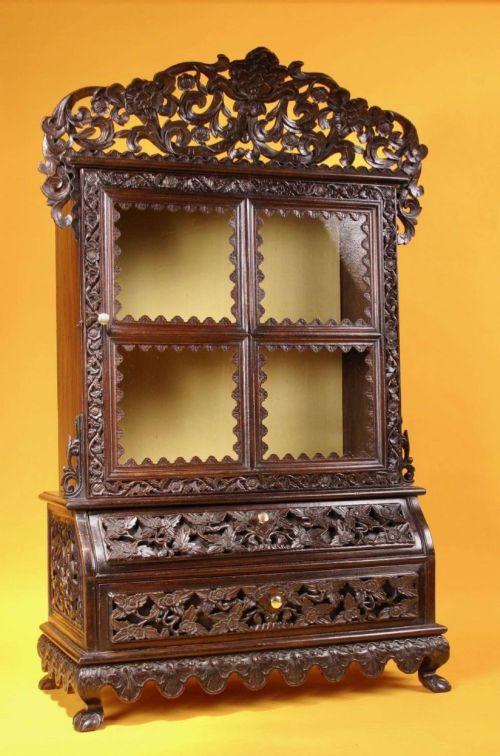
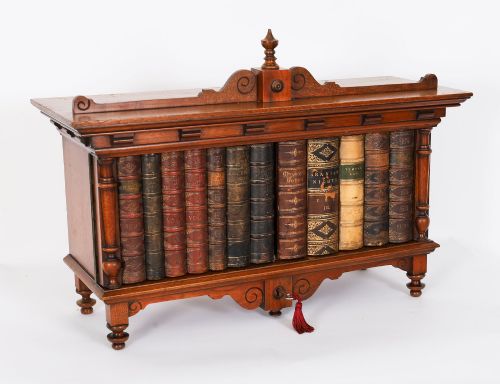
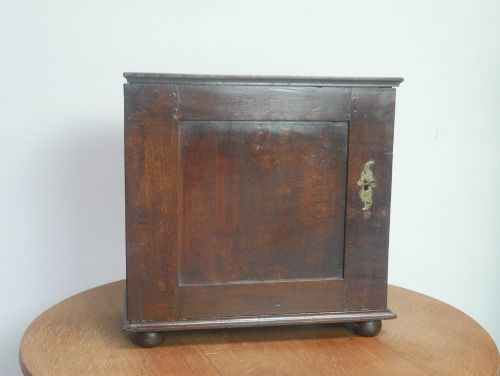
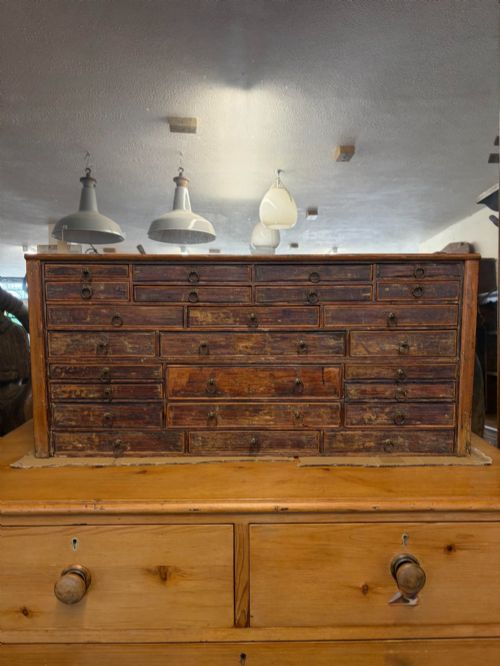
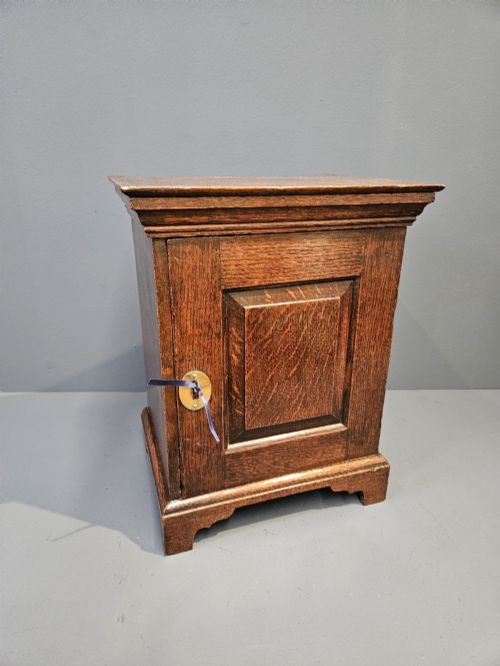
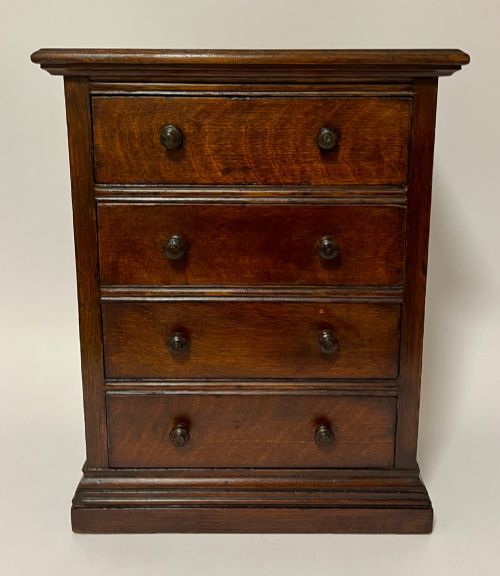
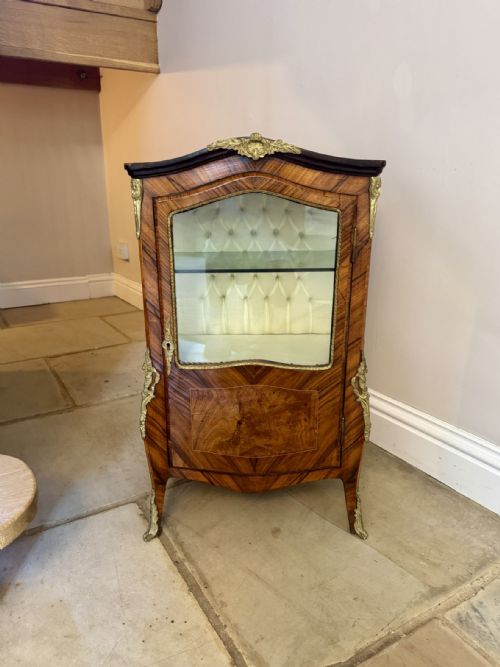
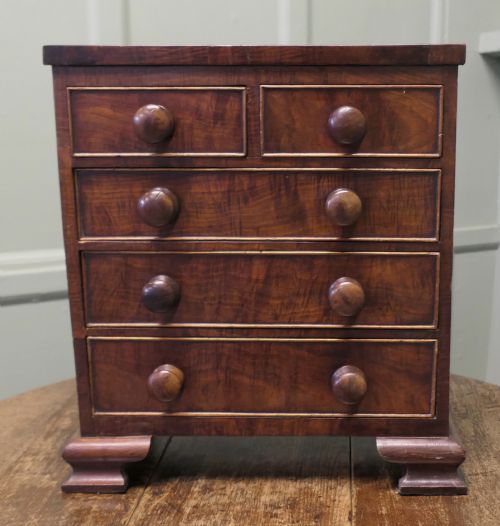
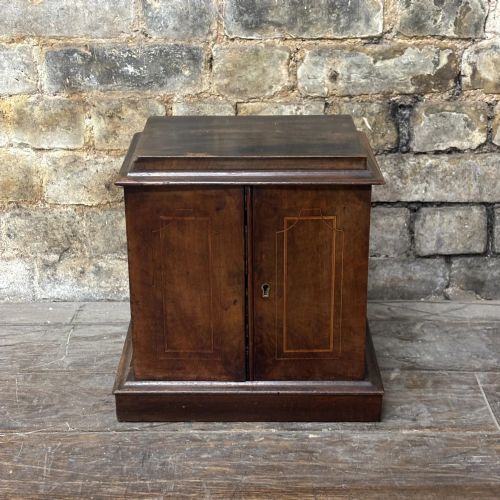
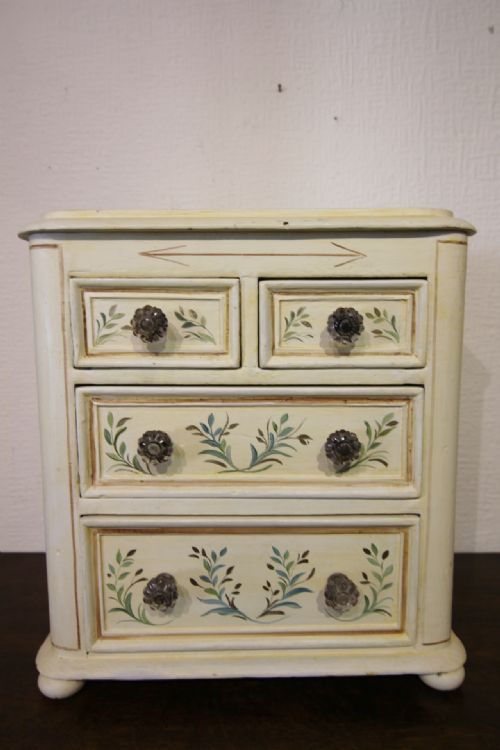
When searching for an antique tabletop cupboard, collectors encounter a diverse group of diminutive furniture forms created for specific tasks rather than domestic display. The pieces on this page span from the eighteenth century through the 1930s, encompassing periods such as the Georgian, Victorian, and Edwardian eras alongside specific styles like Gothic Revival and Aesthetic Movement.
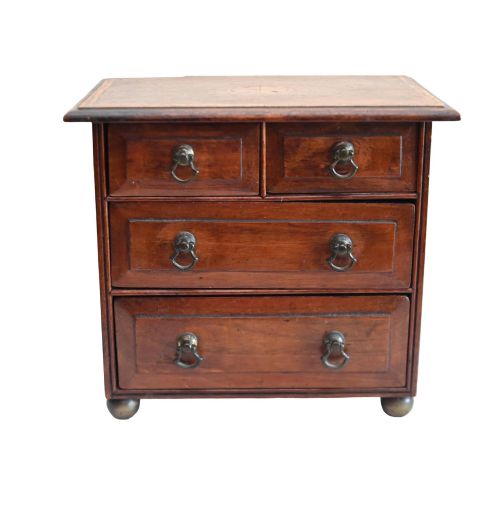
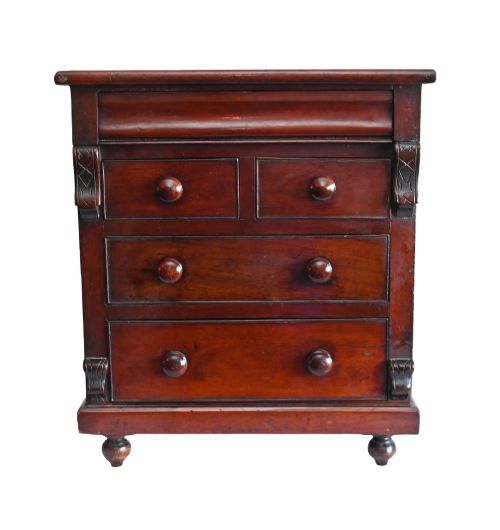
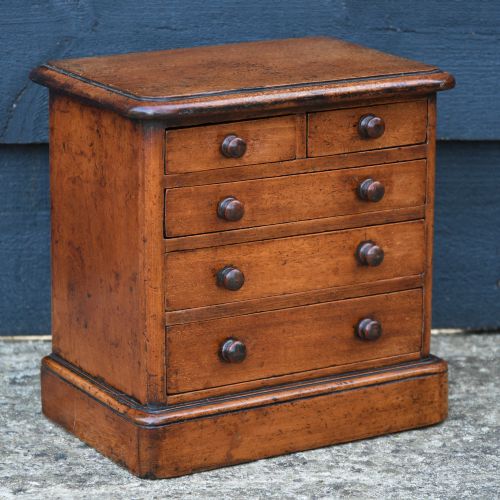
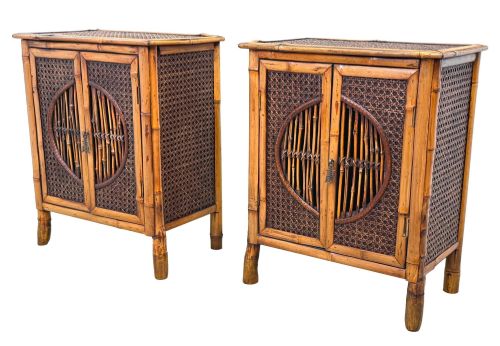
The physical formats vary widely, including miniature chests of drawers often described as apprentice pieces, functional spice cupboards with small internal compartments, desktop stationery repositories, and glass-fronted display cabinets. Materials range from native timbers like oak and mahogany to exotic hardwoods, walnut, bamboo, and fruitwood.
Origins stretch across Britain, continental Europe, and further afield, with Anglo-Indian, Chinese, and Japanese examples appearing among domestic English workshop output. Buyers frequently meet oak spice cabinets from the 1700s and mahogany miniature chests dating to the nineteenth century as the most common expressions of the form.
Craftsmanship and Proportion
The distinction between standard examples and superior pieces rests on the precision of the joinery and the selection of timber figure, such as burr walnut or well-figured mahogany. Finer items display meticulous attention to interior fittings, including secret drawers, fitted stationery compartments, and hand-cut dovetails that remain crisp and tight.
Proportion and architectural balance dictate the success of a miniature cabinet, where skilled makers scaled down full-size furniture details without losing structural harmony. Original hardware, intact keys, and well-preserved surface patination elevate a piece above those altered or refinished in later decades.
Some miniature chests hide secret drawers behind false bottoms, rewarding curious buyers with miniature compartments for tiny treasures.
Manoah Rhodes & Sons Ltd
The Antique Tabletop Cupboard Glossary
- Spice cupboard
- A small wall-mounted or tabletop cabinet featuring multiple internal drawers designed historically for storing precious culinary spices and herbs.
- Collectors cabinet
- A specialised storage unit containing numerous shallow drawers intended for housing natural history specimens, coins, or medals.
- Escutcheon
- A protective metal plate surrounding a keyhole, frequently cast in brass and shaped according to the prevailing stylistic period.
- Dovetail joint
- An interlocking wood joint formed by wedge-shaped fingers, prized for its tensile strength in drawer construction.
Antique Tabletop Cupboard: Frequently Asked Questions
What were antique tabletop cupboards used for originally?
These compact pieces served practical storage functions in homes, offices, and workshops, holding valuable spices, letters, jewellery, or small collections of specimens.
Craftsmen and merchants utilised them on desks and countertops where space was limited, allowing easy access to frequently needed items.
Are apprentice pieces actually made by trainees?
Traditional woodworking practice often attributed small-scale chests and cabinets to apprentices demonstrating their advanced skills to guild masters.
While many bear the hallmarks of careful instruction, some miniature items were simply manufactured as commercial novelties or salesman samples.
How do I date an oak spice cupboard?
Early examples from the seventeen hundreds typically feature pegged frame construction, hand-sawn boards, and simple brass H-hinges.
Later Victorian and revival pieces incorporate machine-cut elements and standardised hardware fittings beneath their traditional exteriors.
Where should I place a tabletop cabinet at home?
Their modest footprints allow these cabinets to sit comfortably on sideboards, chests of drawers, or sturdy study desks.
Keep them away from direct sunlight and sudden temperature changes to protect vulnerable wood veneers and antique polish.